
Microdosing Mounjaro: Risks, side effects, and safety of low doses
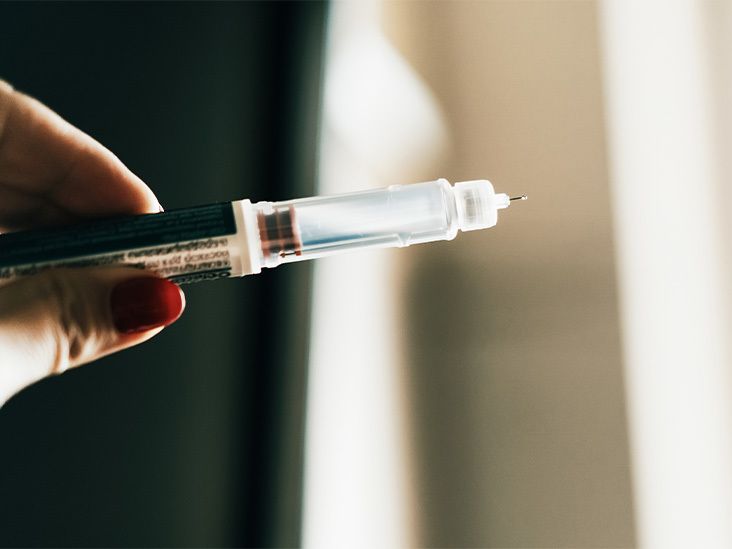
Microdosing GLP-1 medications like Mounjaro (tirzepatide) has become a significant topic of discussion in wellness communities.
The starting dose for Mounjaro is 2.5 milligrams (mg) weekly. However, some people (often in consultation with off-label prescribers) are opting to “microdose” by injecting the drug less frequently or at lower doses.
While anecdotal reports suggest that microdosing may cause fewer side effects, it’s important to note that this practice is not approved by the Food and Drug Administration (FDA).
Unlike the standard doses of Mounjaro, microdosing has not been rigorously studied. It’s often done with compounded tirzepatide, rather than the brand-name Mounjaro.
While compounded tirzepatide from a reputable prescriber can be safe, it lacks the same oversight as FDA-approved Moujnaro. This lack of oversight can lead to significant differences in quality, purity, and effectiveness.
For expert-reviewed tips and resources on navigating these aspects of treatment with Mounjaro, take a look at the following articles:
Because there is no standardized for microdosing, the specific “dose” can vary significantly depending on the form, prescriber, and condition being treated. Common methods include:
Anecdotal reports from online communities, such as Reddit, suggest that microdosing can help your body acclimate to the medication more slowly. In turn, this could help prevent the risk of abandoning treatment due to early side effects. Some people report feeling more “normal” on a microdose compared to the more intense hunger suppression of higher doses.
However, these benefits have not been extensively studied. Clinical trials for Mounjaro were designed to test specific, escalating doses for safety and effectiveness.
At this time, there is no large-scale data to prove that microdoses provide the same benefits as the FDA-approved doses. In fact, clinical studies note that the lowest approved dose (2.5 mg) is not an effective maintenance dosage for managing blood sugar.
Microdosing is typically practiced with compounded tirzepatide rather than brand-name Mounjaro or Zepbound. Brand-name Mounjaro is available in single-dose vials or autoinjectors, as well as multidose vials or autoinjectors (each containing 4 doses). These brand-name delivery systems are specifically calibrated for standard dosing, making it difficult or inadvisable to use them for microdosing.
Compounded tirzepatide can come in multiple forms, including multidose vials, oral pills, and oral drops. These compounded formulations may come in strengths other than those that are strictly FDA-approved, which allows for more flexible — but less regulated — dosing.
Beyond the lack of clinical data, microdosing can lead to other safety risks.
Most GLP-1 medications are only stable for a limited time once the vial is punctured or the pen is used for the first time. Mounjaro’s single-dose vials and pens should be discarded 21 days after they are opened. The multidose vials and KwikPens should be discarded 30 days after the first use, even if there is medication remaining.
Microdosing naturally extends the life of a single vial or pen as you take less of it each week. This significantly increases the risk of using expired medication.
Over time, the proteins in the medication can degrade, making the drug ineffective. In addition, repeated use of a single vial or pen over many weeks increases the risk of bacterial contamination. This risk is present even if you use a new needle for each injection.
Since microdosing Mounjaro has not been extensively studied, there is no clear agreement on what is considered a safe, effective microdose.
This means the microdose you’re prescribed can vary among prescribers, and it may not be supported by established clinical safety data.
The minimum recommended therapeutic dose of Mounjaro is 5 mg per week. Long-term treatment at lower doses may lead to side effects from Mounjaro without providing clear treatment benefits.
Mounjaro is available in several forms, including single-dose autoinjectors, single-dose vials, and multidose (4-dose) autoinjectors and vials.
Regardless of the format, the manufacturer does not recommend attempting to take partial doses. The pens are calibrated to deliver a full, fixed dose at once, and any attempt to stop the delivery mechanism early can lead to an inaccurate dose.
While vials allow for manual measurement, splitting a single-dose vial into multiple smaller injections is not recommended due to significant accuracy and expiration risks once the seal is broken.
Mounjaro is available in several forms, including single-dose autoinjectors, single-dose vials, and multidose (4-dose) autoinjectors and vials.
Regardless of the format, the manufacturer does not recommend attempting to take partial doses. The pens are calibrated to deliver a full, fixed dose at once, and any attempt to stop the delivery mechanism early can lead to an inaccurate dose.
While vials allow for manual measurement, splitting a single-dose vial into multiple smaller injections is not recommended due to significant accuracy and expiration risks once the seal is broken.
Because there is no official clinical guidance on microdosing, it’s important to talk with your prescriber to clarify what constitutes a “missed dose” and how to handle it.
Generally, with GLP-1s, you should take the missed dose as soon as you remember unless it’s almost time for your next scheduled dose.
Because there is no official clinical guidance on microdosing, it’s important to talk with your prescriber to clarify what constitutes a “missed dose” and how to handle it.
Generally, with GLP-1s, you should take the missed dose as soon as you remember unless it’s almost time for your next scheduled dose.
It’s possible. In Mounjaro’s clinical studies, digestive side effects like nausea were most common at the start of treatment and after dosage increases.
However, Mounjaro’s low starting dose (2.5 mg) and slow dosage escalation schedule are specifically prescribed to reduce the risk of these side effects. In addition, these side effects are often temporary and usually resolve on their own within a few weeks as your body adjusts to the medication.
At this time, there’s no clinical evidence to suggest that starting at an even lower dose significantly reduces the risk of Mounjaro-induced nausea, constipation, or diarrhea.
If you’re experiencing serious or bothersome side effects at your prescribed dose, be sure to let your doctor know. They can recommend ways to manage these effects or safe ways to adjust your dosage.
It’s possible. In Mounjaro’s clinical studies, digestive side effects like nausea were most common at the start of treatment and after dosage increases.
However, Mounjaro’s low starting dose (2.5 mg) and slow dosage escalation schedule are specifically prescribed to reduce the risk of these side effects. In addition, these side effects are often temporary and usually resolve on their own within a few weeks as your body adjusts to the medication.
At this time, there’s no clinical evidence to suggest that starting at an even lower dose significantly reduces the risk of Mounjaro-induced nausea, constipation, or diarrhea.
If you’re experiencing serious or bothersome side effects at your prescribed dose, be sure to let your doctor know. They can recommend ways to manage these effects or safe ways to adjust your dosage.
Yes, it’s legal. Doctors can legally prescribe medications “off-label,” which means using a drug in a way not specifically approved by the FDA.
However, this does not mean it has been proven safe or effective for the specific purpose of microdosing. And insurance providers may not cover medications prescribed for off-label uses.
Yes, it’s legal. Doctors can legally prescribe medications “off-label,” which means using a drug in a way not specifically approved by the FDA.
However, this does not mean it has been proven safe or effective for the specific purpose of microdosing. And insurance providers may not cover medications prescribed for off-label uses.
Microdosing Mounjaro has many possible, anecdotal benefits. However, the safety and effectiveness of microdosing Mounjaro have not been extensively studied.
The lack of standard dosing guidelines, the use of compounded alternatives, and the risk of using expired medication create a number of risks that may outweigh the anecdotal benefits. Before microdosing Mounjaro, it’s important to talk with your prescriber about the best treatment options and dosage schedules for your specific health goals.
Disclaimer: While Medical News Today strives for factual, comprehensive, and current information, this article is not a substitute for a licensed healthcare professional’s expertise. Always consult a doctor before taking or discontinuing any medication. Drug information is subject to change and may not cover all uses, directions, precautions, warnings, interactions, reactions, or adverse effects. The lack of a warning does not guarantee a drug’s safety, effectiveness, or appropriateness for all patients or specific uses. Learn more about our approach to content integrity.