
Microsoft’s next big bet isn’t on a model but on becoming the Swiss Army knife of enterprise AI
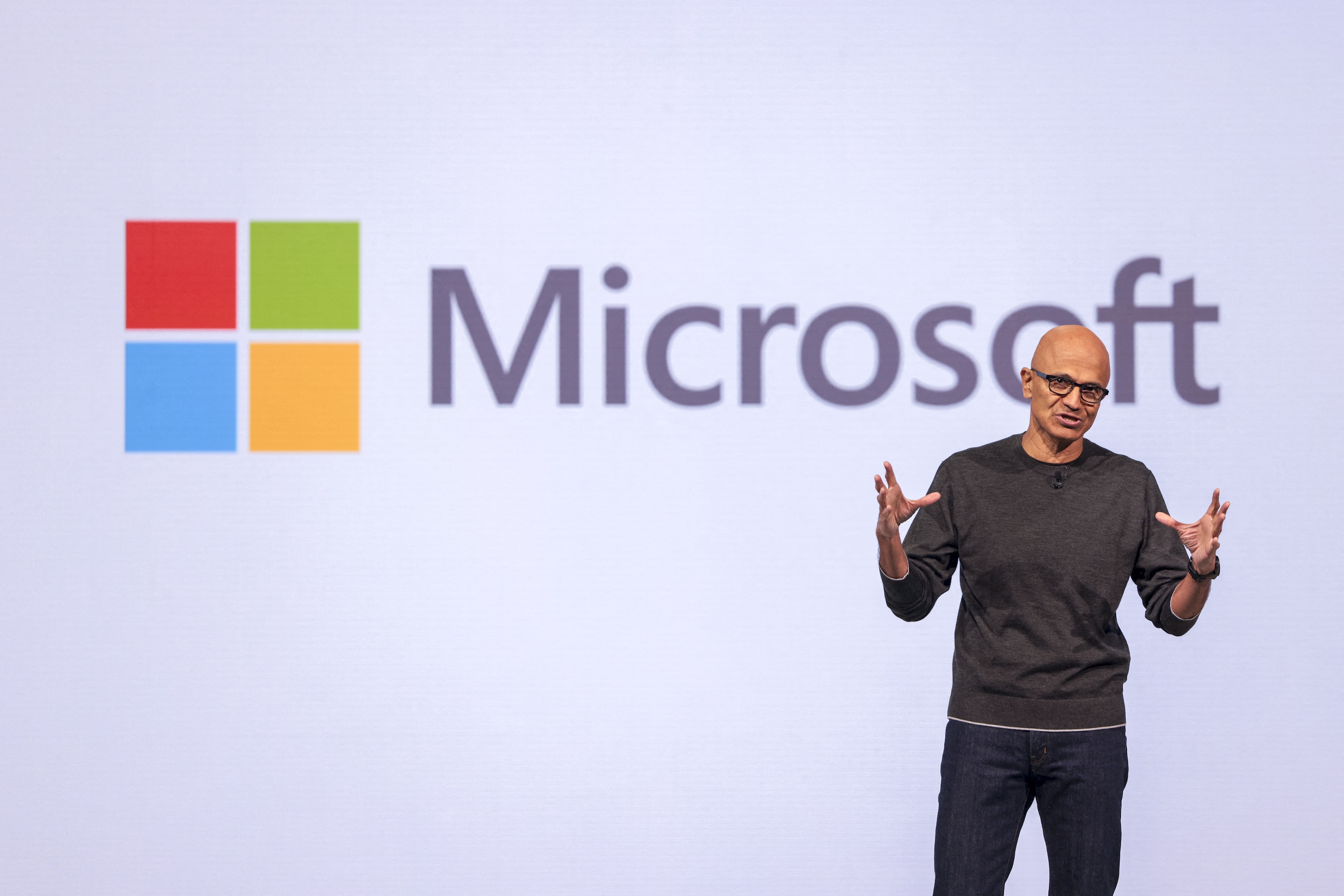
Microsoft is making a big bet on the adoption of its enterprise AI tools.
The tech giant announced on Thursday that it is investing $2.5 billion in a new business unit, Microsoft Frontier, aimed at getting customers to better use its AI to transform their businesses and to address an area where many companies are struggling: delivering measurable outcomes and demonstrating a return on their AI investments.
In a blog post, Judson Althoff, head of the company’s commercial business, called Frontier “the largest, most capable, outcome-driven engineering organization in the industry.” The unit will consist of 6,000 so-called forward-deployed engineers, or industry experts who will work directly with customers.
Microsoft’s announcement comes days after Amazon said it would spend $1 billion on a similar FDE initiative and also follows OpenAI and Anthropic’s own multibillion-dollar FDE investments.
Tech companies are keen to help enterprises figure out how to program AI services to fit their needs because of the amount of resources the tech firms are pouring into building out their AI products. In Microsoft’s announcement, Althoff wrote that Microsoft’s commitment goes beyond typical FDE programs because of the size and scope of the initiative. Microsoft said it recently partnered with the London Stock Exchange Group to aid its finance department with asking its AI complex questions and getting back answers across “structured and unstructured financial content.”
Microsoft’s platform lets companies choose their preferred model for each use case—from providers like OpenAI, Anthropic, or open‑source models, while avoiding dependence on any single one, according to Althoff. A customer’s proprietary intelligence stays protected, he said: Their data, IP, and competitive edge are not used to train models in ways that would commoditize what sets them apart in their industry.
The ambition for Frontier is to help enterprises build their own AI capabilities and to create an ecosystem where organizations can turn their knowledge, workflows, and expertise into AI systems that continuously improve, Microsoft Chief Executive Satya Nadella wrote in a LinkedIn post on Thursday.
Microsoft and others have much riding on AI adoption. Microsoft is pushing for greater use of its Copilot AI product, which is far from becoming ubiquitous in the business world, and the company has spent billions building out data centers that host AI models and accomplish other critical computing services.
Amazon, Google, and other tech companies have similarly spent a record amount on AI infrastructure, betting that customer demand will keep up while AI costs will get lower. For Microsoft, the push for greater adoption has come as its investors have become worried about Anthropic, OpenAI, and other AI competitors eating away at its more traditional software services. Microsoft shares are down about 20% in the past year.
Palantir Technologies popularized the FDE assignments, with the U.S. government having long relied on the company’s software. Shan Sinha, chief executive at the safety-focused wearable startup Canopy and a former Microsoft and Google employee, compared the current investment in FDE roles to the dot-com boom, when companies hired people to build websites for their customers.
“Not only is it a good idea, but it’s clearly a huge contributor to the kind of value that gets created by a company like Palantir,” Sinha told Fortune. “We’ve got all this foundational technology, but we haven’t yet mapped it to actually solving the problems for those customers that need to be solved.”
Microsoft’s LSEG example is the kind of service many companies are seeking. Finance is an area increasingly focused on AI, while CFOs, who determine enterprise AI tech spending, are also being called upon to help deliver AI value in their organizations.
Companies Microsoft has worked with, including Land O’Lakes, Unilever, and Novo Nordisk, are seeing measurable outcomes from their AI transformations—results Microsoft plans to scale globally by working with systems integrators such as Accenture, Capgemini, EY, KPMG, and PwC, according to Althoff.
This is the year many investors and enterprises are expecting to start to see true returns on their AI investments. In a July essay, Microsoft Chief Executive Satya Nadella wrote that the stakes of AI are not about new digital tools, but about how companies build intellectual property around models to create human-driven value—where humans set goals, provide direction, and connect the dots.
“This transition is different than any previous platform shift,” Nadella wrote. “In the past, we used digital systems to enhance human capital. This is the first time we can create a real cognitive loop between people and digital systems. That is a mind-bender, because it changes how we even conceptualize work inside an enterprise.”