
MoD admits it doesn't have ANY water-bombing aircraft needed to put out fires
The Ministry of Defence has admitted it does not have any water-bombing aircraft needed to put out wildfires.
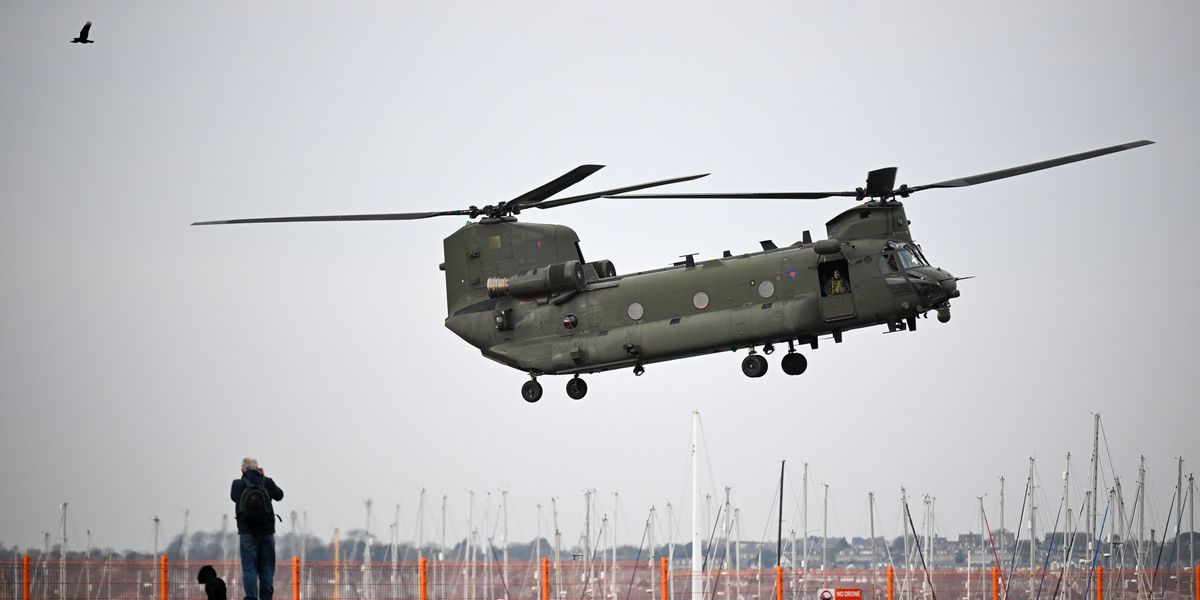
On Sunday, Scottish First Minister John Swinney turned down Wes Streeting's offer to use Chinooks to combat the devastating wildfires in the Cairngorms.
Mr Swinney rejected the offer because the helicopters simply are not able to drop water onto the heathlands below.
Mr Streeting and Douglas Alexander, the Scottish Secretary, suggested the helicopters would provide "logistical support and heavy-lift capacity".
Mr Swinney turned down assistance despite earlier asking for air support.
In a statement, he said: "The UK Government are not in a position to agree to this request, given that the Ministry of Defence does not possess aerial firefighting assets stationed within the UK."
A Ministry of Defence spokesman confirmed to The Telegraph that Britain lacked the military aircraft to water-bomb wildfires.
Australia, Canada, the EU and US all have water-bombing aircraft.
The Scottish blaze was first reported on July 15 and has spread to four square miles across the Glenmore and Abernethy area.
More than 500 firefighters have attempted to tackle the fire, with hundreds of residents and campsites evacuated.
The UK Government responded to the SNP leader's request for help a day after it was made.
Mr Streeting said: "My thoughts are with those who have been affected by the terrible wildfires in the Cairngorms and I pay tribute to the brave emergency services personnel who have been working tirelessly to tackle the blaze.
"Our Armed Forces are always ready and able to respond to serious situations and Chinook helicopters can be available to provide heavy-lifting capacity, which may be needed given the landscape, and we have UK standby battalion personnel ready to deploy to provide additional numbers on the ground to help bring the wildfire under control."
Neil Gray, the SNP's Justice Leader, previously admitted it was unlikely Scotland could receive arial support from the MoD.
He told BBC Radio Scotland the request was made "to make sure that we were taking every possible step to explore every possible avenue" to get helicopters.
Mr Gray said two commercial helicopters, accessed through a NatureScot contract, were deployed on Saturday and three were expected to be available on Sunday.
Earlier this week, Scottish Fire and Rescue Service said it had no direct access to firefighting helicopters - only a handful of private companies have the specialised kit and pilots needed to combat fires.
The few helicopters currently tackling the blaze have dropped between 20,000 and 40,000 litres of water an hour.
Scotland's devastating blaze comes as a fourth heatwave is set to hit the UK, increasing the risk of exceptionally severe fires.
In mid-July, firefighters reported battling 19 significant wildfires simultaneously in England and Wales.
A National Fire Chiefs Council (NFCC) spokesman said: "With the Met Office warning that a fourth heatwave could develop this week, bringing another period of very hot weather to parts of the UK, fire and rescue services remain on alert and are continuing to prepare for renewed wildfire risk."
A yellow heat alert has been issued from 9am on Tuesday to 9am on Friday for every region in England except the North West and North East.