
Montana faces “trophy hunting” accusations over wolf cull
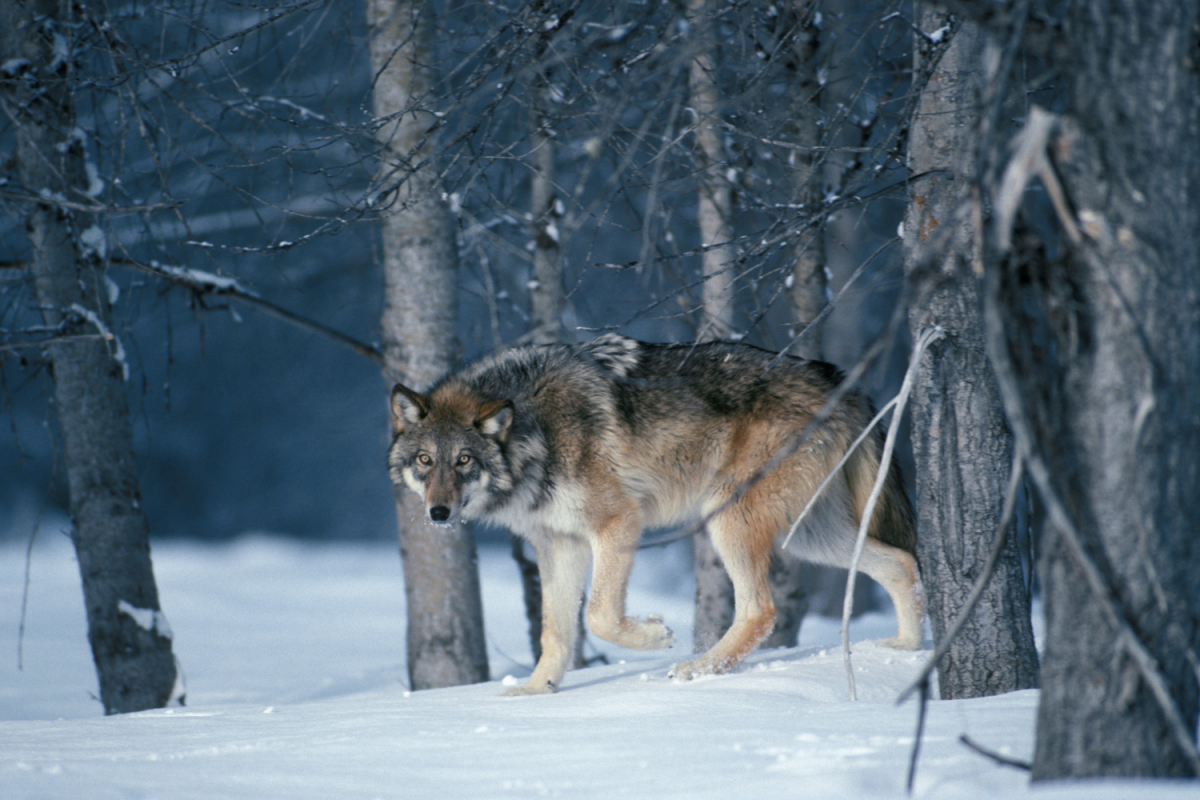
Days after conservationists warned that changes to wild horse policy could put federally protected animals at greater risk, a new controversy has erupted over wolves in Montana after state officials admitted they may have significantly overestimated how many of the predators live there.
Montana Fish, Wildlife and Parks recently revised its wolf population estimate from 1,094 animals to about 725 after changing the way it counts wolves.
Despite the lower figure, state commissioners voted this week to allow up to 300 wolves to be killed during the upcoming hunting and trapping season, drawing accusations of "trophy hunting" from wildlife advocates.
The dispute began when Montana Fish, Wildlife and Parks changed the model it uses to estimate wolf numbers. The revised calculation put the state's wolf population at roughly 725 animals, down from a previous estimate of 1,094. The change prompted agency biologists to recommend reducing the number of wolves that could be killed during the upcoming season from previous levels to 250.
But during a meeting on August 19, the Montana Fish and Wildlife Commission voted to approve a higher limit of 300 wolves. Commissioners debated how much confidence should be placed in the new population estimate, with some arguing the revised figure may itself be too conservative. The final plan divided the state's wolf kill limit into regional quotas.
The move came after FWP acknowledged that its previous counting method had overstated wolf numbers by nearly 400 animals. Critics now say that should have prompted a far more cautious approach.
Greg Lemon, administrator of Montana Fish, Wildlife and Parks' Communication & Education Division, told Newsweek the agency's recommendation reflected its long history of managing wolves and its legal obligation to maintain a sustainable population.
"We felt that reducing the quota for this year would allow us to continue to follow state law and ensure that wolf numbers remain well above limits outlined in our wolf plan," Lemon said, adding that wolf numbers have remained well above thresholds that would trigger consideration of renewed federal protections.
Lemon noted that, while FWP provides recommendations, the Montana Fish and Wildlife Commission makes the final decision on hunting regulations.
Lemon rejected suggestions that Montana's approach amounts to "trophy hunting."
Several wildlife advocacy organizations condemned the commission's decision following the vote, arguing that state officials ignored both public feedback and uncertainty surrounding wolf numbers.
"Montana is treating wolves as a commodity to be handed over to the special interests that want to kill them, rather than as wildlife held in trust for all Montanans," Michelle Lute, executive director of Wildlife for All, said in a statement released after the meeting.
Wolf advocate group Team Wolf and others have argued that Montana's wolf policies increasingly prioritize reducing wolf populations over maintaining them. They point to hunting and trapping rules that permit methods including trapping, snares and other techniques they say go beyond traditional wildlife management.
The Montana FWP 2025 gray wolf annual report recorded that hunters and trappers killed 247 wolves last year despite a quota of 458, and 81 wolves died from other documented causes, bringing the wolf death total to 328 in 2025.
In a statement, Team Wolf said: "The 300 quota for this season is an authorization to kill even more wolves than were killed last year, even though there are at least 400 fewer wolves in Montana than previously stated."
"The reality is that under the North American Model of Wildlife Conservation, hunting is a critical piece of population management, whether we're talking about wolves, elk or deer," Lemon told Newsweek.
He said the phrase is often used to describe hunting practices critics disagree with and argued hunters play a major role in funding wildlife conservation, habitat protection and research in Montana.
Elsewhere critics have also pointed to a program run by the Idaho-based Foundation for Wildlife Management, which offers reimbursements tied to legal wolf harvests.
According to the foundation, hunters and trappers can seek reimbursement for qualifying expenses related to wolf hunting and trapping. Current listed reimbursement rates include up to $1,500 in Idaho and up to $1,500 in parts of Montana. The organization describes the payments as expense reimbursements rather than bounties.
Newsweek reached out to the Foundation for Wildlife Management via email for comment.
The dispute comes amid broader fights over the management of high-profile wildlife species across the American West.
Earlier this week, wild horse advocates warned that proposed policy changes could weaken protections and increase the risk of federally managed horses entering slaughter pipelines, a claim supporters of the measures reject. Wolf advocates now say Montana's revised population estimates illustrate a similar concern: that wildlife agencies are making major management decisions even as underlying population data remains contested.