
Mother and baby homes report to be published
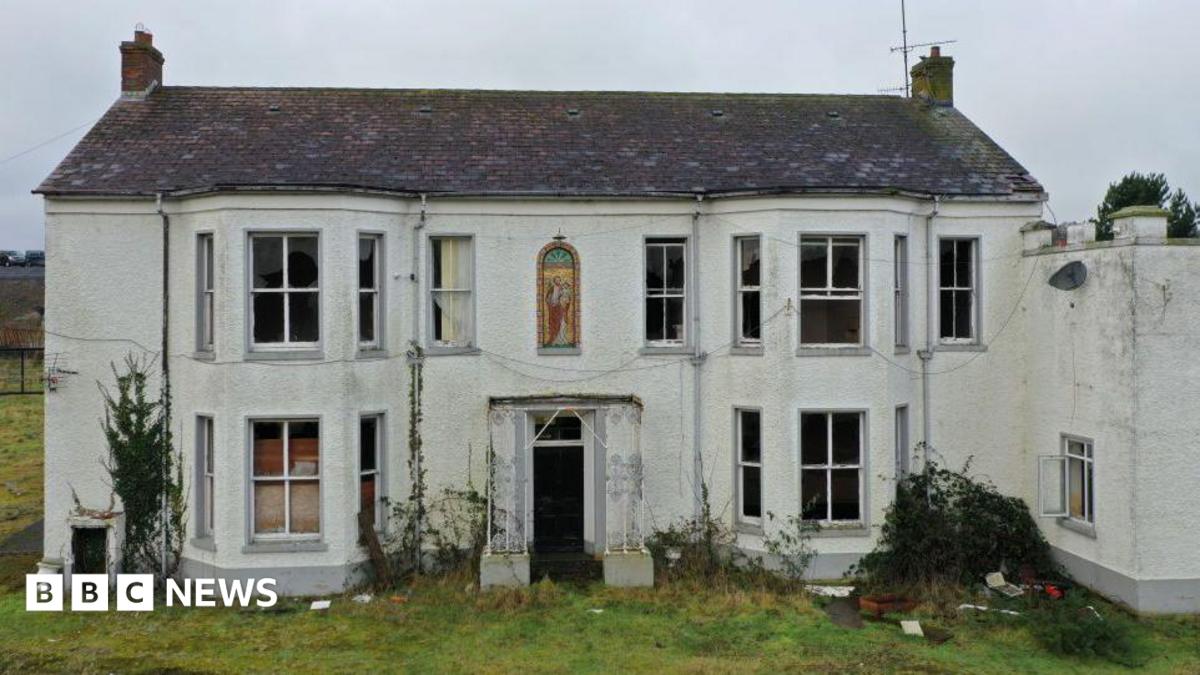
An extensive report into mother and baby institutions, Magdalene Laundries and workhouses in Northern Ireland will be published on Tuesday.
It brings together archive records as well as testimonies from victims and survivors, their relatives and people who worked or volunteered for the institutions.
The report will contain a number of findings and recommendations, including on areas for an upcoming public inquiry to look into further.
More than 10,000 women, pregnant women, and girls passed through the secretive institutions, which were largely run by religious orders, from the 1920s until the 1990s.
A number of them had become pregnant as a result of sexual crime.
The panel has also been investigating the "pathways and practices" to the institutions, laundries and workhouses.
This includes the care system, fostering and adoption practices, related institutions such as "baby homes", private nursing homes, and cross-border and international transfers of women and children.
Set up in 2023 by the Northern Ireland Executive, the Truth Recovery Independent Panel is made up of 10 people and includes experts in human rights, genealogy, and archiving alongside victims and survivors representatives with personal experience of the institutions and the adoption system.
Testimonies gathered for the report will be used to inform a planned public inquiry.
In June 2026, the Northern Ireland Assembly passed legislation to establish a public inquiry and financial redress scheme relating to mother-and-baby institutions.
The public inquiry is expected to last around three years and will cost about £14m.
Under a financial redress scheme, any mother or child who spent time in an institution will be entitled to a standard payment of £12,000.
Some £2000 will be paid to the family members of mothers and children who have died since 28 April 1953.
The devolved government estimates the scheme will receive around 10,000 applications, with payments totalling £90m.
Later in the autumn, further legislation will be required to allow the inquiry and redress scheme to formally open.
Mark McCollum, who was born in the Marianvale institution in Newry, said Tuesday is an "important day".
"It marks a milestone in terms of progress and I would be very positive about the process," he told BBC Radio Ulster's Good Morning Ulster programme.
He said a lot of people have "contributed to the report" and he is "looking forward to reading it".
"It does seem that progress is now being made and things are starting to happen."
Adele Johnston called Tuesday a "momentous day for us"
Adele Johnston, from Birthmothers and their Children for Justice NI, told Good Morning Ulster that she was "initially worried about cross examination, but the way that this has been set out now is totally different".
"I have no reservations about it all," she said. "Moving into the inquiry will tear down the veil of secrecy and shame."
She called Tuesday a "momentous day for us".
Johnston added that "the institutions have never been held accountable".
Prof Phil Scraton said victims and survivors "have to be front and centre"
Prof Phil Scraton, from Queen's University Belfast, was part of the group that set out the terms of reference for the panel.
He said: "The important thing to remember is that it takes time to gather evidence.
"We're talking about decades of involvement in the institutions that has to be uncovered."
He added that it is a "long and comprehensive process" and victims and survivors "have to be front and centre".
He said that an integrated truth investigation takes evidence carefully and respects views of the victims and survivors.
"The idea that you have an independent panel preceding a statutory public inquiry is absolutely crucial.
"Statutory public inquiries are all fine and well, I've had so much experience of them. And I think that the problem with them is that people come before them, they give their testimonies and those testimonies are literally cross-examined."