
Mounjaro dose increases: Why it matters and what to expect
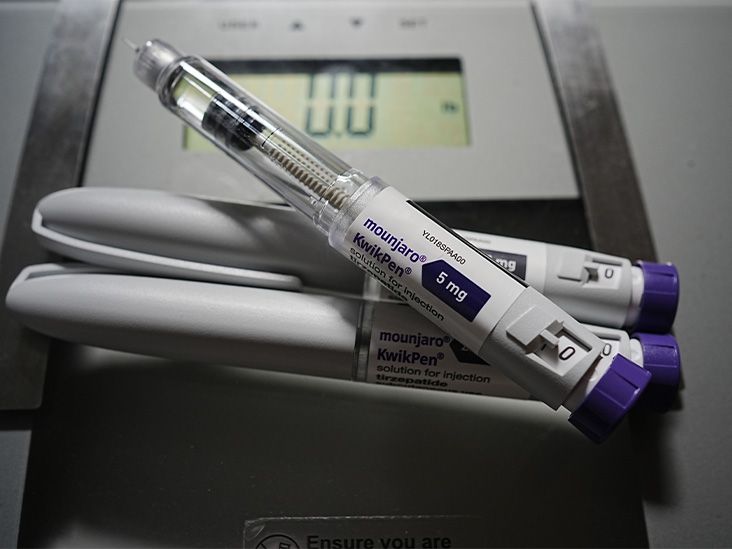
Mounjaro (tirzepatide) is a GIP/GLP-1 receptor agonist that’s used to manage blood sugar levels with diet and exercise in adults and children ages 10 years and older with type 2 diabetes.
Some doctors also prescribe Mounjaro off-label for weight loss. With off-label use, a drug is prescribed for a purpose other than what the Food and Drug Administration (FDA) approved it for. (Note that the drug Zepbound contains the same active ingredient as Mounjaro and is approved for weight loss and weight management.)
Mounjaro has a specific dosing schedule that you’ll follow when you first start treatment. Keep reading to learn how it works, why it matters, and what to expect as you increase your dose during treatment.
The Mounjaro dosage chart below describes the drug’s typical dosage schedule. Your doctor may increase your dose by 2.5 milligrams (mg) every 4 weeks until your blood sugar is managed. They’ll usually increase your Mounjaro dose only if you’ve been taking your current dose for at least 4 weeks.
Be sure to follow your doctor’s dosage instructions. They’ll determine the right dosage for you based on your medical history and any side effects you experience.
The maintenance (ongoing) dosage your doctor prescribes can range from 5 mg to 15 mg once per week. However, keep in mind that not everyone needs the maximum dose of Mounjaro to manage their blood sugar.
If your doctor prescribes Mounjaro off-label for weight loss, they’ll determine when to increase your dose. Since the drug is not FDA approved for weight loss, there’s no typical Mounjaro dose for this use.
No, the drug manufacturer does not recommend combining Mounjaro pens to make one dose. Mounjaro comes in single-dose injection pens that you’ll use separately at each dose increase. So if your doctor prescribes a 5-mg dose, you’ll use the 5-mg dose pen to inject the drug.
If you have questions about your Mounjaro single-dose pens, talk with your doctor or pharmacist. They can also advise how to discard unused medication.
Gradual increases allow your doctor to monitor for side effects and adjust the drug to your individual needs. Your doctor will find the maintenance dose that’s right for you.
Note: Starting Mounjaro at a higher dose or skipping dosing steps can cause severe GI side effects. It can also increase the risk of stopping treatment early. So it’s important that you do not change your dose without your doctor’s recommendation.
“Taking higher doses of a drug doesn’t necessarily make it more effective. Everyone has an ideal dose that works for them. For some people, taking higher doses of a drug can lead to side effects rather than therapeutic effects.”
Quotes represent the opinions of our medical experts. All content is strictly informational and should not be considered medical advice.
Your doctor will continue to monitor your response to Mounjaro and any side effects you experience during dose increases. Tell them if you experience side effects that are affecting your daily life or aren’t tolerable. They may slow your dose escalation, make recommendations to manage side effects, or advise staying at your current dose. Also, tell them about any new medications or supplements you start taking, as some can interact with Mounjaro.
Keep in mind that you don’t have to increase your Mounjaro dose if you’re meeting your blood sugar goals and don’t have bothersome side effects. Dose increases aren’t always needed if the drug is working well for you at a lower dose.
The following are common questions from Reddit regarding Mounjaro dosage increases, with answers based on the drug’s prescribing information and clinical guidelines.
While a decreased appetite is a common effect of Mounjaro, the medication’s primary purpose is to improve glycemic control (blood sugar levels) in adults with type 2 diabetes. The initial 2.5-mg starting dose is intended only for treatment initiation to help your body adjust and is not considered a dose for glycemic control.
Your doctor may increase your dosage specifically to reach your A1C or fasting glucose goals, even if your appetite already feels managed. However, if you’re already meeting your blood sugar goals at a lower dose and have no bothersome side effects, a further increase may not be necessary.
Yes, you can discuss your dosage with your healthcare professional, but you should never change your dose without their recommendation. Your doctor determines the right dosage based on your individual medical history, how your blood sugar is responding, and any side effects you experience.
If you feel your current dose isn’t effectively managing your blood sugar, or if you’re experiencing side effects that aren’t tolerable, your doctor can decide whether to adjust your dosage or slow your dose escalation (increases).
The typical Mounjaro dosing schedule begins with 2.5 mg once weekly for the first 4 weeks. After this initial period, the dose is usually increased to 5 mg once weekly.
If additional blood sugar management is required, your doctor may continue to increase your dose in 2.5-mg increments after you have been on your current dose for at least 4 weeks. This progression can continue through 7.5 mg, 10 mg, and 12.5 mg until reaching a maximum adult dosage of 15 mg once weekly or a maximum pediatric dosage of 10 mg once weekly.
Mounjaro’s dosage is slowly increased to ensure optimal results while balancing safety and effectiveness. At each dose increase, GI side effects may return or temporarily worsen. However, by working closely with your doctor, these side effects can be managed while ensuring Mounjaro’s effects are maximized for your condition.
Be sure to follow the Mounjaro dosing schedule your doctor recommends.
Disclaimer: While Medical News Today strives for factual, comprehensive, and current information, this article is not a substitute for a licensed healthcare professional’s expertise. Always consult a doctor before taking or discontinuing any medication. Drug information is subject to change and may not cover all uses, directions, precautions, warnings, interactions, reactions, or adverse effects. The lack of a warning does not guarantee a drug’s safety, effectiveness, or appropriateness for all patients or specific uses. Learn more about our approach to content integrity.