
New Russian electronic warfare system aims directly at Starlink satellites
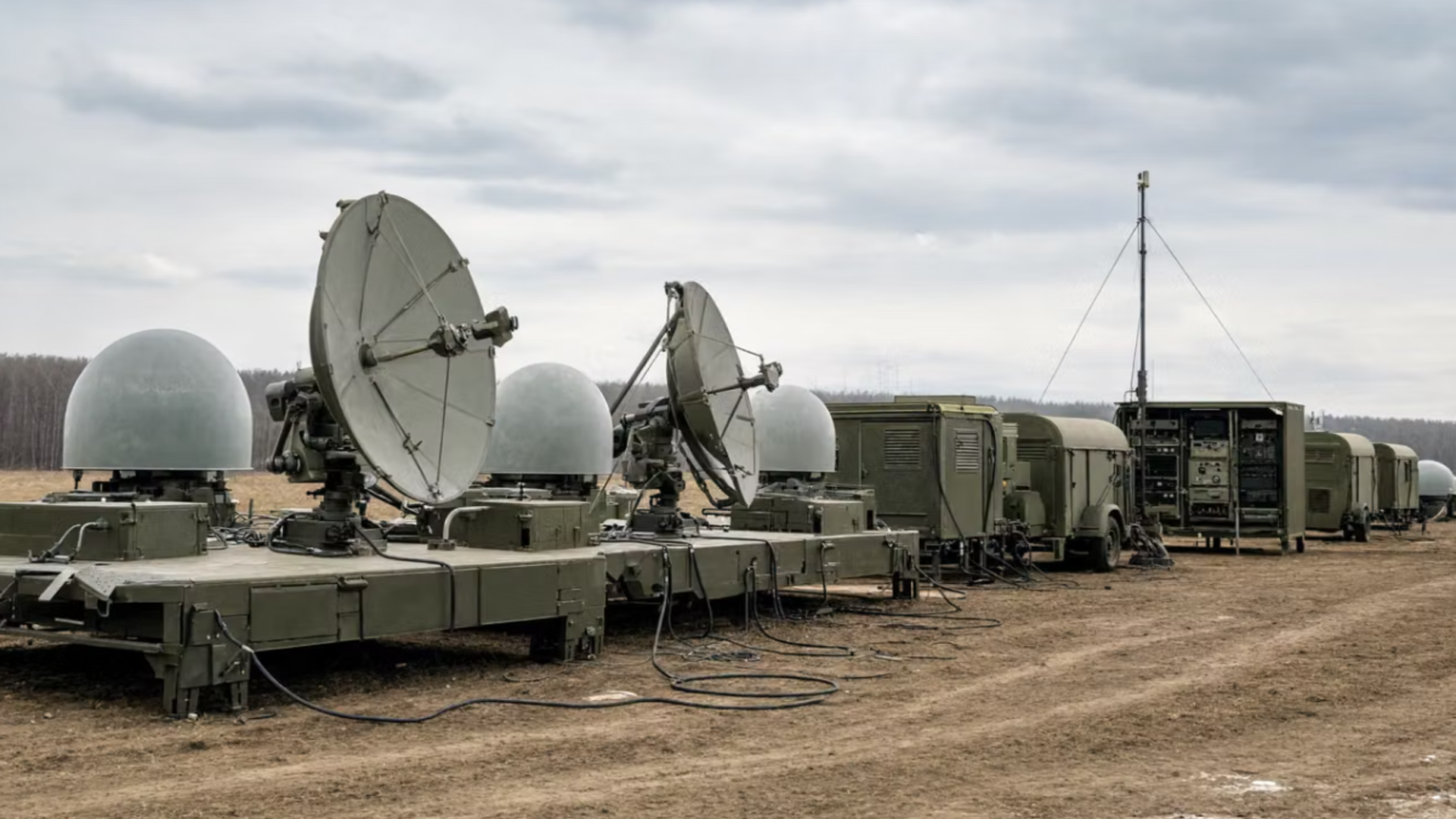
Russia has unveiled a new electronic warfare system designed to disrupt Starlink communications by interfering directly with satellites instead of attacking ground terminals.
The system, dubbed Volna Kupol Garant, directs concentrated radio signals toward Starlink satellites, preventing them from receiving transmissions from users within its operating area.
Russian officials say the approach temporarily interrupts communications without physically damaging spacecraft.
Volna Kupol Garant reportedly relies on a narrow-beam high-frequency radio signal that differs from conventional electronic warfare systems.
According to Russian officials, the transmission overloads receiving antennas aboard Starlink satellites, temporarily preventing them from detecting signals transmitted from terminals beneath the affected coverage area.
"Volna does not physically destroy the spacecraft, but for the duration of the 'illumination,' it blocks the ability of a specific satellite to serve ground terminals," said Dmitry Kuzyakin, general designer of the Center for Integrated Unmanned Solutions.
The disruption reportedly continues beyond the active transmission because affected satellites require several additional minutes before normal communications capability returns after interference ends.
Volna Kupol Garant generates interference across eight Starlink data transmission bands, each measuring 62.5 MHz, using a directional phased-array antenna system.
Kuzyakin said Starlink satellites orbit about 500 km above Earth, adding that the phased-array system was designed to interfere with its receiving antennas.
This device also has the capacity to disrupt and even disable spacecraft operations.
Volna Kupol Garant is equipped with six trailer-mounted modules, each carrying two steerable satellite antennas enclosed beneath radio-transparent protective radomes.
The modular arrangement reportedly allows antennas to remain trailer-mounted or operate from separate ground installations, providing greater flexibility across different operational environments and deployment requirements.
According to reports, one complete complex can reportedly create a Starlink jamming zone covering as much as 20 km² through narrow-beam interference techniques.
This system creates operational challenges for satellite communications within affected areas.
However, the installation's considerable size could increase visibility to electronic intelligence assets because numerous exposed antennas remain active during operations.
This development is unlikely to sit well with the United States and Ukraine, both of which are already weighing how future conflicts might extend into orbit.
Reports suggest the US has explored controlling which nations can operate satellites, a shift that could reshape the trajectory of regional conflicts if it materializes.
Russia is likely to defend its satellite capabilities aggressively, given the growing role they play in modern warfare.
That role includes supporting communications, intelligence gathering, navigation, and operations involving unmanned military systems.
As of the time of writing, Volna Kupol Garant has not been independently verified, nor has it reportedly been used in the war.
Follow TechRadar on Google News and add us as a preferred source to get our expert news, reviews, and opinion in your feeds.
Efosa has been writing about technology for over 7 years, initially driven by curiosity but now fueled by a strong passion for the field. He holds both a Master's and a PhD in sciences, which provided him with a solid foundation in analytical thinking.
Please logout and then login again, you will then be prompted to enter your display name.