
NHS UK wants to pay you to take a walk: Why daily strolls are part of its new health policy
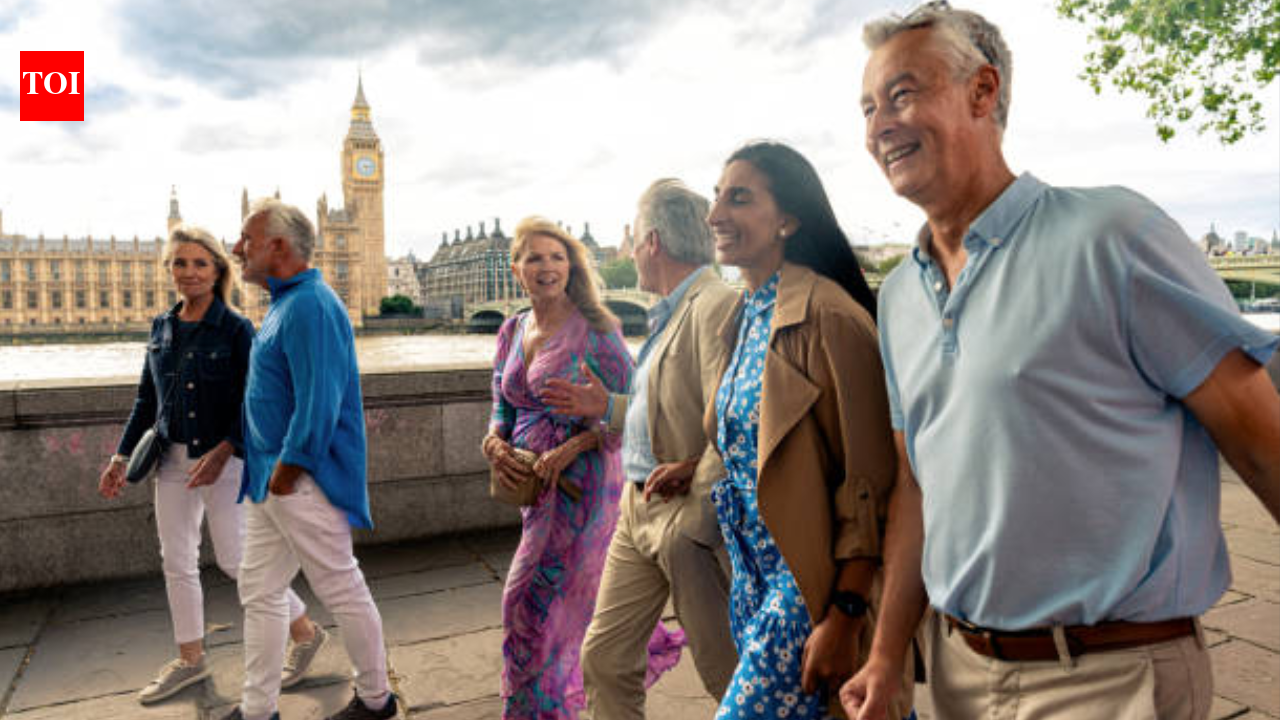
NHS England will launch a "marathon a month" walking challenge early next year, offering rewards and discounts to adults who log roughly 30 minutes of walking a day, marking the first time the health service has paid people to exercise, according to the BBC.The challenge is built around a simple target: walk about 30 minutes daily and you'll rack up close to 26 miles a month, the same distance as a marathon.
People will track their progress through an app, a phone or a smartwatch, and completing the monthly total unlocks rewards the NHS says could include discounts and other incentives.Why the NHS is paying people to walkThe scheme is part of England's 10-year health plan, and it's landing former Olympic medallist Sir Brendan Foster as its public face.
Foster, who founded the Great North Run, told the BBC the goal isn't complicated. "We just want people to walk. Simple," he said.The numbers behind the push are stark. NHS England links physical inactivity to one in six deaths nationally. Someone counts as inactive if they get less than 30 minutes of moderate exercise a week, and a Sport England survey covering the year to November 2025 found nearly a quarter of adults, around 12 million people, fall into that category.
Full details on the voucher system, along with sign-up instructions, are expected in the coming months, the BBC reported.Early public reaction, at least from the handful of people the BBC spoke with, sounds cautiously positive. Lauren Andrew told the broadcaster the format appeals to her specifically because it doesn't require any equipment or membership.
"I don't have a gym membership or any of that but I could go for a walk. That's free," she said. But she was less sold on token-style rewards, saying a discount alone wouldn't be much of a pull unless it converted into something like food or drink.Experts warn walking alone won't fix the bigger problemNot everyone thinks a walking challenge goes far enough on its own.
Sonia Pombo, head of research and impact at Action on Salt & Sugar, welcomed the initiative but cautioned against treating it as a complete solution. "Encouraging people to build regular movement into their daily lives can support better health, and making it simple, achievable and rewarding may help more people get started.
But we cannot rely on individual behaviour change alone. If the government is serious about improving the nation's health, particularly for children, it must pair initiatives like this with stronger prevention measures," she told BBC.That tension, between quick, motivating nudges and the harder structural work of public health policy, is likely to follow this program as it rolls out.
For now, the NHS is betting that turning a daily walk into something closer to a game, complete with streaks and a reward at the end, might be enough to get millions of inactive adults moving again.