
North Korea Nuclear Capabilities: Kim Jong Un oversees nuclear-capable missile tests from newly repaired warship - The Times of India
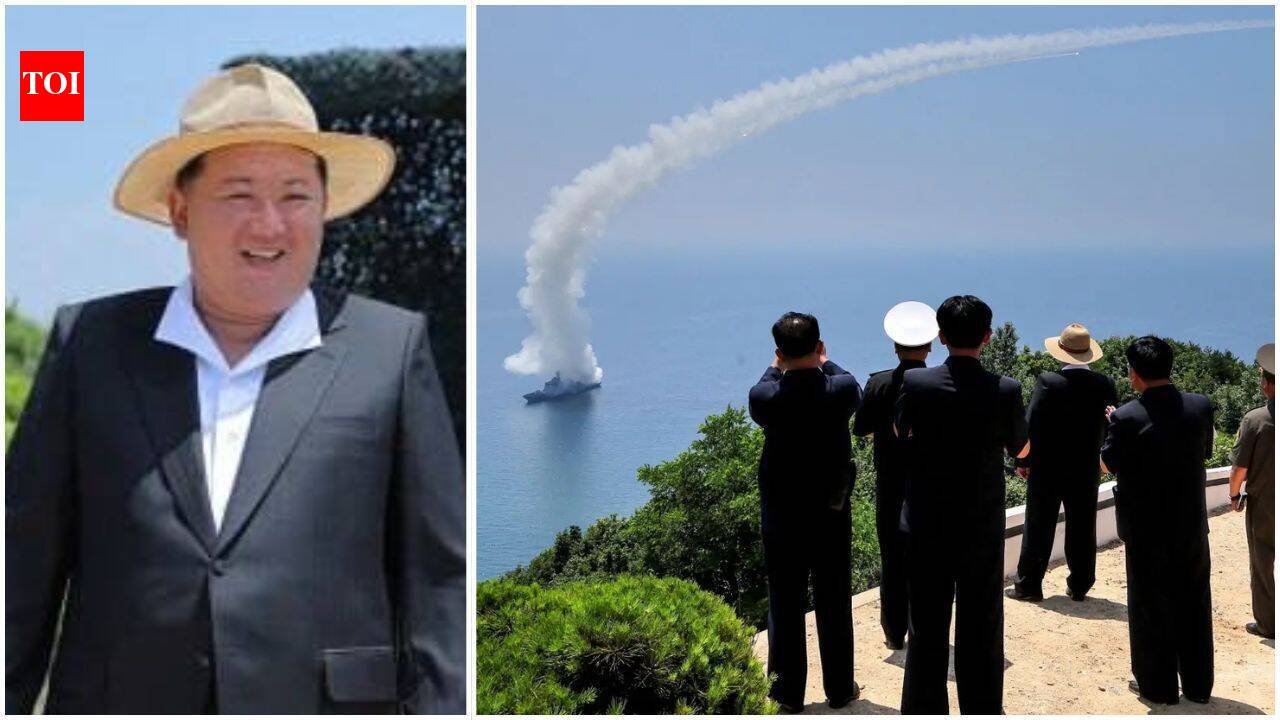
North Korean leader Kim Jong Un has overseen weapons tests of a nuclear-capable cruise missile and other systems aboard a newly repaired 5,000-ton destroyer, as part of Pyongyang’s continued push to expand its naval nuclear capabilities, state media reported Sunday.The vessel, named Kang Kon, had previously been damaged during a failed launch ceremony last year but has since been repaired, officials said.According to the Korean Central News Agency (KCNA), the tests conducted on Friday included launches of a strategic cruise missile, firing of the destroyer’s main gun and automatic cannons, and trials of its electronic warfare systems.The assessments also examined target detection and information-processing capabilities.Kim orders destroyer to be commissioned within two monthsAfter observing the tests from shore, Kim ordered officials to complete the remaining trials and commission the warship into active service within two months, KCNA said.The latest display comes amid North Korea’s accelerating efforts to modernise its naval forces, including developing nuclear-capable platforms and expanding missile deployment at sea.The tests come just weeks after North Korea commissioned another 5,000-ton destroyer, the Choe Hyon, in late June, which Kim described as a milestone in building a nuclear-armed navy.During that ceremony, Kim declared that the country’s naval nuclear armament programme was progressing as planned and outlined ambitions for more advanced warships, including larger 10,000-ton vessels.As per news agency AP, Kim has also called for building two 5,000-ton destroyers annually over the next five years, alongside the development of even larger naval platforms.The Kang Kon destroyer had suffered a serious setback in May 2025 when it partially capsized during a launch ceremony at the northern port of Chongjin, an incident that prompted a sharp rebuke from Kim.Growing focus on naval nuclear capabilitiesNorth Korea has increasingly shifted focus from its traditional ballistic missile programme to naval expansion, including submarine-based nuclear capabilities and intercontinental missile systems capable of underwater launches.KCNA also said the Choe Hyon destroyer is equipped with anti-aircraft, anti-ship, and nuclear-capable missile systems, though its operational effectiveness remains unverified by independent experts.South Korean officials and analysts have previously suggested that some of the vessels may have been built with Russian assistance amid deepening military cooperation between Pyongyang and Moscow.North Korea has continued to declare itself an “irreversible” nuclear state since the collapse of denuclearisation talks with the United States in 2019 and remains technically at war with South Korea since the 1950–53 Korean War ended in an armistice.