
NPR retracts story announcing Alito's retirement after Supreme Court's denial
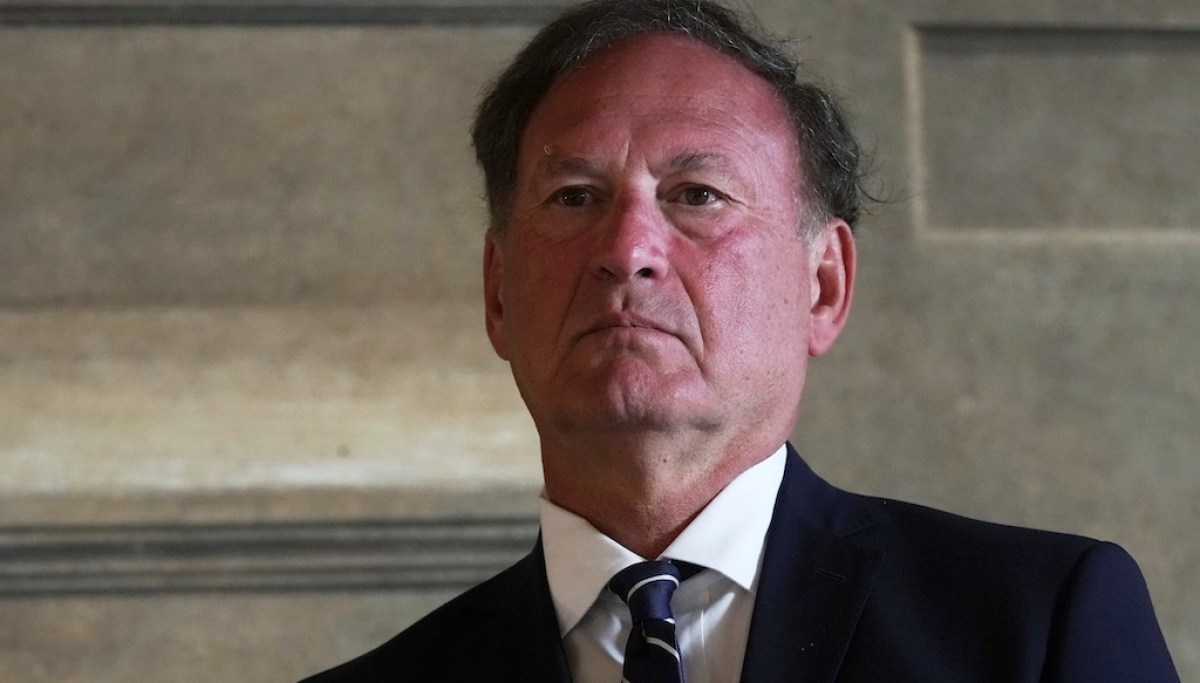
NPR retracted an inaccurate story about Justice Samuel Alito’s supposed retirement on Tuesday after the latest series of Supreme Court decisions were handed down.
NPR published an editor’s note in place of the original article, owning up to the mistake.
“Earlier today, we erroneously published a story saying that Supreme Court Justice Samuel Alito was retiring,” the outlet said. “Neither Alito nor the court’s public information office has announced his retirement, and we have retracted the story.”
The Supreme Court denied the reported announcement, saying that no such statement had been made by the court or Alito himself. At age 76, Alito has long been expected to be one of the next justices who could retire.
Earlier Tuesday, the high court released several landmark rulings before recessing for the summer. Chief among these decisions was the one concerning birthright citizenship, as the court ruled President Donald Trump’s 2025 executive order violated the 14th Amendment.
Trump attempted to prevent citizenship from passing to children born to parents who are in the country illegally or temporarily. The Supreme Court rejected the administration’s argument that such children should not be granted automatic citizenship.
Chief Justice John Roberts wrote the 6-3 majority opinion, while Alito was one of the three conservative justices who disagreed.
In his dissenting opinion, Alito called the birthright citizenship case “one of the most important decisions” in the Supreme Court’s history and said the court “made a serious mistake” in ruling against the federal government.
“As interpreted by the Court today, the Fourteenth Amendment confers citizenship on virtually everyone who happens to be born in this country, including the children of ‘birth tourists,’ women who come here solely for the purpose of giving birth to a child and then promptly return home,” Alito wrote, addressing a key part of the administration’s argument.
“Careful analysis of the text of the Fourteenth Amendment and the process that led to its adoption shows that it does not degrade the concept of United States citizenship in this way,” he continued. “Instead, the Fourteenth Amendment confers citizenship on only those children who, at birth, owe allegiance solely to this country.”
Alito clarified that interpreting the 14th Amendment correctly doesn’t mean “uprooting the millions of children who were born here to mothers who entered or remained in this country illegally” because they are not responsible for their parents violating immigration policy. He called on Congress to address the situation.
The 76-year-old justice has been serving on the high court since he was appointed by former President George W. Bush two decades ago.