
OPEC+ agrees fresh August oil output hike as Strait of Hormuz reopens
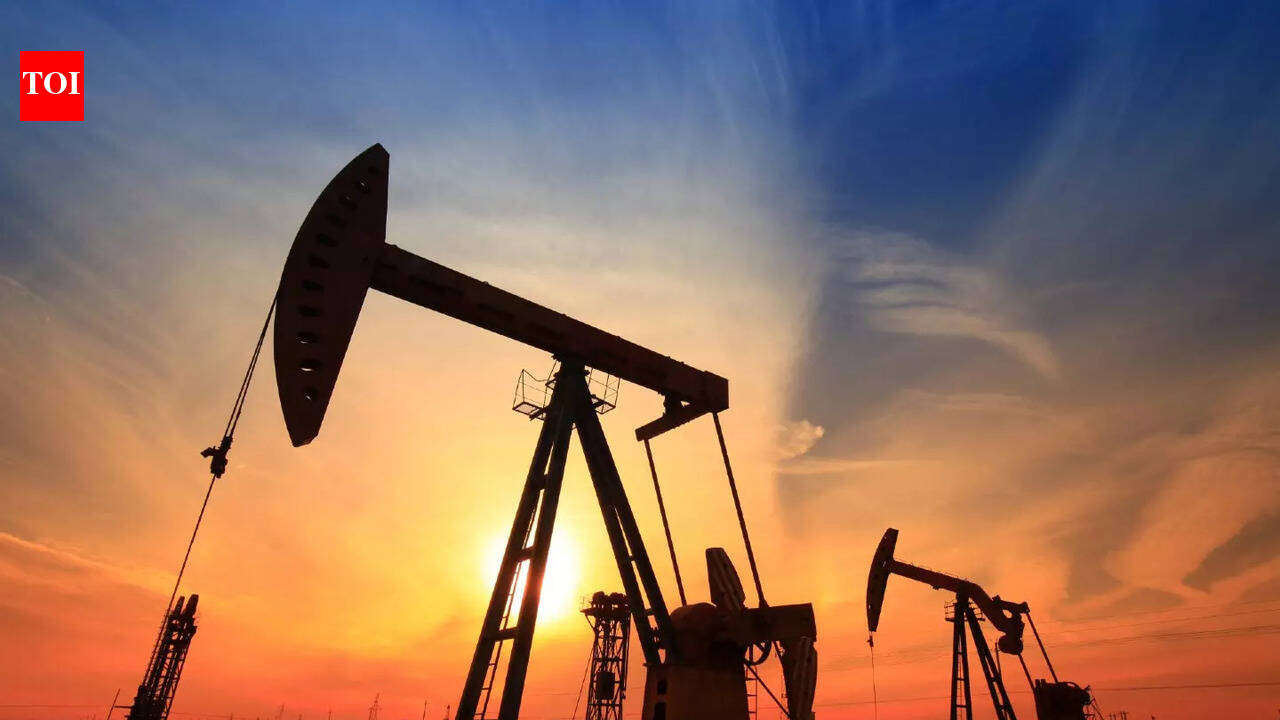
OPEC+ has decided to raise its oil production targets once again, agreeing to increase output quotas by 188,000 barrels per day (bpd) from August as the group continues to unwind earlier production cuts.The decision, taken during an online meeting, comes after similar quota increases for June and July.
Between April and July, the seven core members of OPEC+, the alliance of OPEC producers and allies including Russia, have raised their production quotas by nearly 800,000 bpd.Even so, the additional supply has largely remained unrealised because the US-Israeli war on Iran disrupted exports after tanker traffic through the Strait of Hormuz was halted.
The closure affected several major OPEC+ producers, including Saudi Arabia, Kuwait and Iraq.Production data from OPEC showed the group's output fell to 33.13 million bpd in May from 42.77 million bpd in February. Although production started improving in June following US efforts to help the UAE and other OPEC+ countries export more oil, output has yet to return to levels seen before the conflict.While supply disruptions persist, oil prices have already retreated to pre-war levels.
The decline has been driven by weaker crude imports from China, higher exports from producers outside the Middle East and a record coordinated release of strategic oil reserves by the International Energy Agency."The group of seven kept unwinding their production cuts as widely expected," UBS analyst Giovanni Staunovo told Reuters.
"The near-term focus will remain on how many tankers will manage to cross the Strait of Hormuz and how quickly demand and Chinese crude imports recover."Market sentiment has also been supported by a memorandum of understanding between Washington and Tehran aimed at ending the war, reinforcing expectations that oil supplies will eventually normalise.Brent crude settled near $72 a barrel on Friday, a sharp fall from recent highs of more than $120 a barrel.
Prices have returned to the levels seen before the US and Israel launched their attack on Iran on February 28.Apart from production policy, OPEC+ is also navigating changes within the alliance. The United Arab Emirates has exited the group, while Iraq has indicated that it is seeking higher production quotas.Although OPEC+ comprises 21 members, monthly production management in recent years has been handled by seven countries, Saudi Arabia, Russia, Iraq, Kuwait, Algeria, Kazakhstan and Oman, along with the UAE before it left the alliance.These producers have been rolling back the 1.65 million bpd production cut agreed in 2023.
The UAE withdrew from OPEC+ in late April, saying it wanted production to reflect its capacity without being constrained by the group's output limits.According to Reuters calculations, after accounting for the UAE's exit from May 1, the seven remaining core producers will still have around 379,000 bpd of the original cut left to restore from August.
If they agree to another increase of roughly the same size at their next meeting on August 2, the 2023 production cut will have been fully reversed by September.Get the latest business news and top stories. Download the TOI App.Ready to Make a Smarter Property Decision? Build Your Legacy with TOI Homes.