
Ozempic and ulcerative colitis: Possible benefits and risks
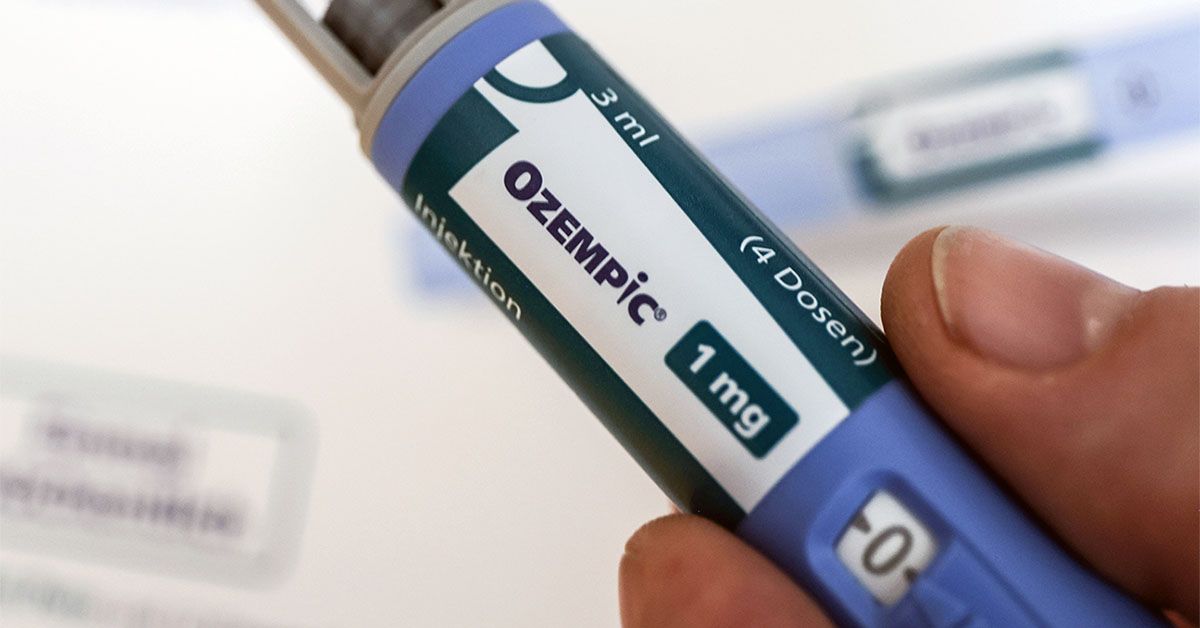
Recent studies suggest that Ozempic (semaglutide) and other glucagon-like peptide-1 (GLP-1) agonists may have anti-inflammatory effects in addition to their approved use for diabetes. Researchers are investigating whether these medications could benefit people with ulcerative colitis (UC), especially those with obesity.
UC is a form of inflammatory bowel disease (IBD) that causes inflammation and ulcers in the lining of the large intestine.
GLP-1 medications are FDA approved to treat type 2 diabetes. People also use them off-label to help with weight loss, as they curb hunger signals.
In a 2023 animal and laboratory study, researchers suggested that GLP-1 medications could have the following benefits for people with UC:
The researchers suggested that GLP-1 medications may be a promising future treatment for UC.
A 2025 retrospective cohort study found that semaglutide was as effective for weight loss in people with IBD as it was for people without IBD. There were also no IBD-specific adverse effects, meaning that people with UC have the same safety risks as people without IBD.
Another 2025 study found that people with IBD and diabetes who were taking GLP-1 medications generally had better health outcomes than people with the same health issues who were not taking them. Their risk of serious combined health problems was around 26% lower, and this positive effect was similar for people with UC and Crohn’s disease.
Although the research is encouraging, GLP-1 medications may not be suitable for everyone with UC, as they can cause gastrointestinal side effects that may overlap with UC symptoms. These include nausea, vomiting, diarrhea, and abdominal pain.
Anyone with UC who wishes to try a GLP-1 medication must talk with their doctor about possible side effects and risks. The FDA has not approved GLP-1 medications to treat UC, so using them for that purpose would be off-label.
GLP-1 medications may also interact with other medications a person is taking, which a doctor must take into account. GLP-1 medications should not replace standard UC treatments.