
Index  ›  politics  ›  BBC
politics · BBC ↗

R Rajagopal: Editors Guild of India condemns 'denial' of voting and passport rights of former The Telegraph editor
BBC Published Jun 29, 2026 Reviewed Jun 30, 2026 ✓ Reviewed by citations.press editors
R Rajagopal: Editors Guild of India condemns 'denial' of voting and passport rights of former The Telegraph editor
About 60 million names have been removed from electoral rolls since the SIR began.
about 60000000 names · removed from electoral rolls Election Commission of India, body overseeing SIR
R Rajagopal served as the editor of The Telegraph from 2016 to 2023.
2016 · start of editorship2023 · end of editorship R Rajagopal, former editor of The Telegraph
He served as editor of The Telegraph for seven years.
7 years · duration of editorship R Rajagopal, former editor
The Special Intensive Revision (SIR) exercise began on 4 November 2025.
Election Commission of India, body overseeing SIR
R Rajagopal lived in Kolkata’s Ballygunge constituency for more than 25 years.
more than 25 years · residence in Ballygunge constituency R Rajagopal, former editor
He had been a voter since 2010.
2010 · year he became a voter R Rajagopal, former editor
His name could not be found in the 2002 electoral rolls.
2002 · reference electoral roll year R Rajagopal, former editor
A further phase of the SIR is under way in 16 states and three federally‑administered territories.
16 states · states where phase is under way3 territories · federally‑administered territories where phase is under way
R Rajagopal stated he had lived in Kolkata's Ballygunge constituency for more than 25 years.
more than 25 years · living in Kolkata's Ballygunge constituency R Rajagopal, former editor of The Telegraph
R Rajagopal stated he had been a voter since 2010 and served as editor of The Telegraph for seven years.
2010 · voter7 years · served as editor of The Telegraph R Rajagopal, former editor of The Telegraph
R Rajagopal wrote that he had lived in Kolkata's Ballygunge constituency for more than 25 years and that his name was removed because it couldn't be found in the 2002 electoral rolls.
more than 25 years · duration of living in Ballygunge constituency2002 year · electoral rolls year R Rajagopal
R Rajagopal wrote that he had been a voter since 2010 and served as editor of The Telegraph for seven years.
2010 year · start of being a voter7 years · duration as editor of The Telegraph R Rajagopal
Since the SIR exercise began on 4 November 2025 across 12 states and federally administered territories, about 60 million names have been removed from the electoral rolls.
about 60 million · names removed from electoral rolls12 states · regions where SIR exercise began
Around nine million of the names removed from electoral rolls were in West Bengal.
about 9 million · names removed from electoral rolls in West Bengal
Another phase of the SIR exercise is under way in 16 states and three federally-administered territories.
16 states · regions where another phase of SIR exercise is under way3 territories · federally-administered territories where another phase of SIR exercise is under way
The 2002 electoral rolls were the last time a nationwide revision was carried out before the current SIR process.
2002 year · last nationwide electoral roll revision
R Rajagopal served as editor of The Telegraph from 2016 to 2023.
Rajagopal has lived in Kolkata's Ballygunge constituency for more than 25 years.
more than 25 years · years lived
Rajagopal’s name was removed because neither his nor his father's name could be found in the 2002 electoral rolls.
2002 · electoral rolls
Rajagopal served as editor of The Telegraph for seven years.
7 years · years as editor

A leading journalists' body in India has condemned what it says is the denial of voting and passport rights to a former editor.

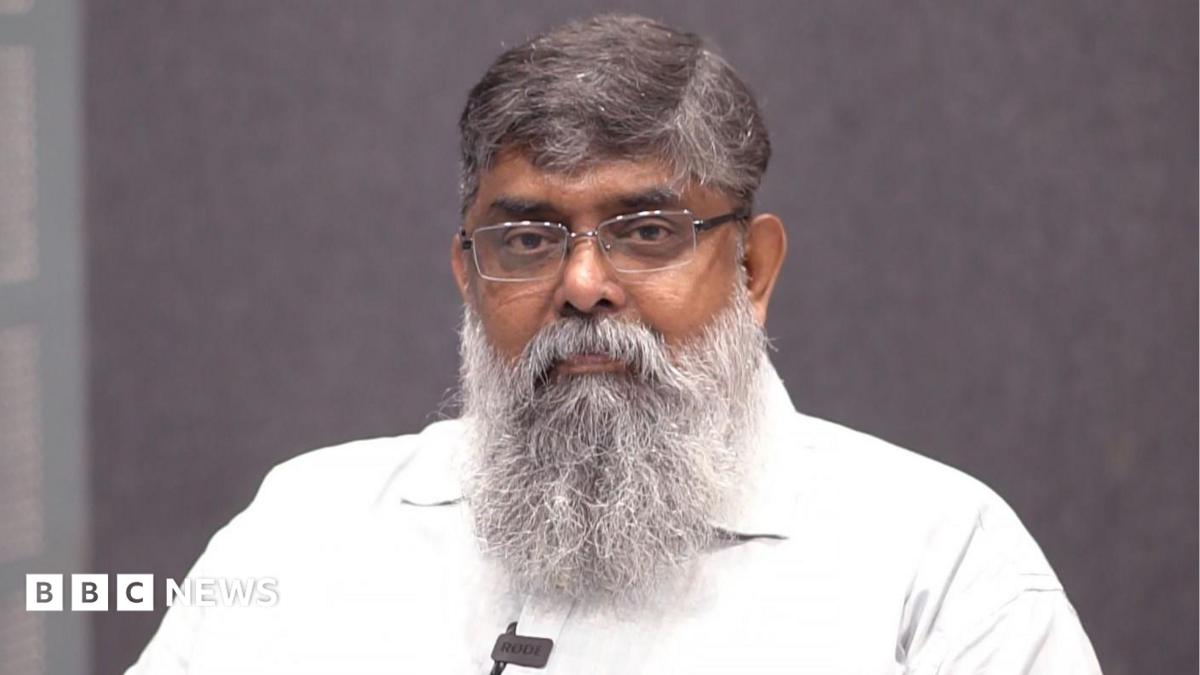
R Rajagopal, who worked at The Telegraph newspaper, says, external his passport renewal was held up after his name was removed from the electoral roll in West Bengal during a controversial voter list revision.

Known as the Special Intensive Revision (SIR), the exercise is being carried out by the Election Commission of India (ECI) to identify ineligible voters. Critics say it has wrongly removed millions of eligible voters, a charge the ECI rejects.

In a statement on Sunday, the Editors Guild of India said Rajagopal's case "highlights the misery that millions of Indians are being put through" because of the SIR exercise.

It added that if an influential public figure like Rajagopal could be stripped of his voting rights, the plight of ordinary Indians was likely to be far worse.

The ECI has not publicly responded to the specific allegations about Rajagopal. The BBC has reached out to officials for comment.

Since the SIR exercise began on 4 November 2025 across 12 states and federally administered territories, about 60 million names have been removed from the electoral rolls.

Around nine million of those were in West Bengal. Rajagopal is among the thousands who have appealed the decision in court.

Another phase of the exercise is under way in 16 states and three federally-administered territories.

In an article published by news website The Wire, Rajagopal wrote that despite living in Kolkata's Ballygunge constituency for more than 25 years, his name was removed because neither his nor his father's name could be found in the 2002 electoral rolls.

The SIR process verifies current voter records against the 2002 electoral rolls, the last time such a nationwide revision was carried out.

Rajagopal wrote that his name had been removed despite being a voter since 2010 and serving as editor of the Kolkata-based The Telegraph for seven years.

"No reason was furnished for my exclusion [from the voters' list] even after I submitted my matriculation certificate, and my appeal is now pending before one of the tribunals constituted pursuant to the Supreme Court's directions," he alleged in the article.

He said authorities later told him police verification for his passport renewal could not be completed because his name had been removed from the electoral roll.

"I was puzzled because I could not find any public document that listed the voter identity card as a mandatory document for passport renewal," he wrote.

The BBC has reached out to the Election Commission for a response to these allegations.

"If someone who spent his professional life in journalism and edited a relatively well-known newspaper can encounter such difficulties, one can only imagine what the truly marginalised must endure," Rajagopal added.

Rajagopal's case has drawn widespread attention on social media, with journalists and opposition leaders expressing support and urging the ECI to restore his voting rights.

In a post on X, veteran journalist Rajdeep Sardesai said he stood in solidarity with Rajagopal.

"Scary part is this could happen to anyone!" he wrote.

Congress spokesperson Supriya Shrinate alleged that Rajagopal was paying a price for his journalism and for demanding accountability.

Meanwhile, Communist Party of India (Marxist)'s General Secretary MA Baby said his party had "warned that the SIR exercise would disenfranchise the poor and vulnerable sections of our country".

"But now, even an editor of repute and an acclaimed journalist like R Rajagopal has been denied his right to vote," he wrote on X.

This article was originally published by BBC ↗. citations.press indexes the source-backed facts above and links to the original. Something wrong? Corrections policy · Report an error