
Record temperatures boost Sainsbury
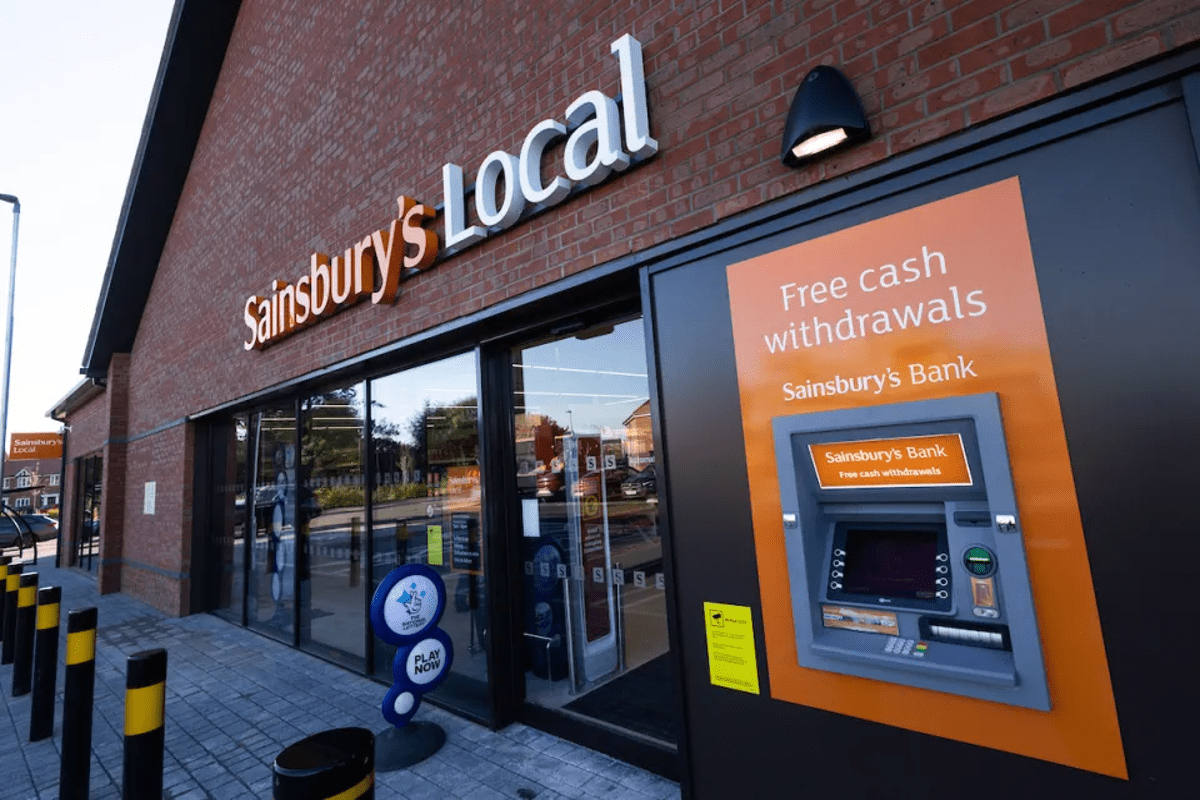
Sainsbury’s recorded a rise in sales in the first financial quarter, as the May heatwave and a run of public holidays boosted sales but caused its fridges and freezers to break down.
Total sales rose 3.1 per cent year on year to £3.1bn, bolstered by a five per cent hike in fresh food purchases, as demand for berries, barbecue and deli products ticked up during May’s record-breaking temperatures.
Grocery sales increased 3.6 per cent from the prior year to £7.6bn.
He said: “Last week was a really exceptional week…three days in a row with record-breaking temperatures.
“Both the weather pattern and the timing of the matches in the World Cup really matter.”
But he admitted that the temperatures had also led to troubles in store, with both fridges and freezers breaking down, with Roberts saying it brought the need to invest in store infrastructure into “sharp focus” as the UK braces for yet another heatwave later this week.
He said: “Businesses like this have to have the investment capacity to invest in core infrastructure, to make sure that we can be resilient.
“The impact of temperatures at this level…we need to make sure we continue to learn and adapt so we’re ready for more of this kind of weather.
Shares increased 1.9 per cent in early trading to 322.1p per share.
While grocery sales jumped, Argos continued to struggle as sales declined 0.5 per cent to £1.1bn, amid ongoing “subdued consumer spending” and lower “average selling prices”.
But the business saw a spike in sales during higher temperatures as consumers purchased fans and outdoor furniture, while television sales also rose in the lead up to the World Cup.
Roberts said: “Customers are very cautious, in general merchandise it’s a much more subdued market.
General merchandise sales, including clothing, also fell 3.7 per cent to £438m, in line with the group’s ambition to tighten its store range in favour of increasing its allocation for food items.
Its Tu Clothing range also reported a 2.1 per cent slide in sales amid a “soft market”.
Susannah Streeter, chief market strategist at Wealth Club, said: “Sainsbury’s results are like a mirror image of what’s happening when it comes to spending across the wider UK economy.
“While grocery sales remained robust, reflecting continued spending on essentials, weaker performance at Argos and across clothing and general merchandise suggests consumers are still hesitant to splash out on discretionary purchases.
“Concerns about the impact of the Iran war are still bubbling away in the background, with households bracing for higher bills, and that’s also likely to have an impact on spending patterns.”
Despite rising sales, Roberts noted that the impact of the Iran war still poses “uncertainty” for its long term outlook as food inflation remains a concern.
Fears over inflation are continuing to plague the industry, with leading trade bodies warning price growth could reach double digits later this year.
Roberts said Sainsbury’s “is doing as much as it possibly can” to provide value to customers and ensure “inflation doesn’t increase as much as was forecasted earlier this year”.
But he admitted that there is “still uncertainty as to where inflation will go” and to what extent it will feed through to products such as fresh food.
The group maintained its full year guidance.