
Red Cross declares crisis over blood shortage in US for second time in history
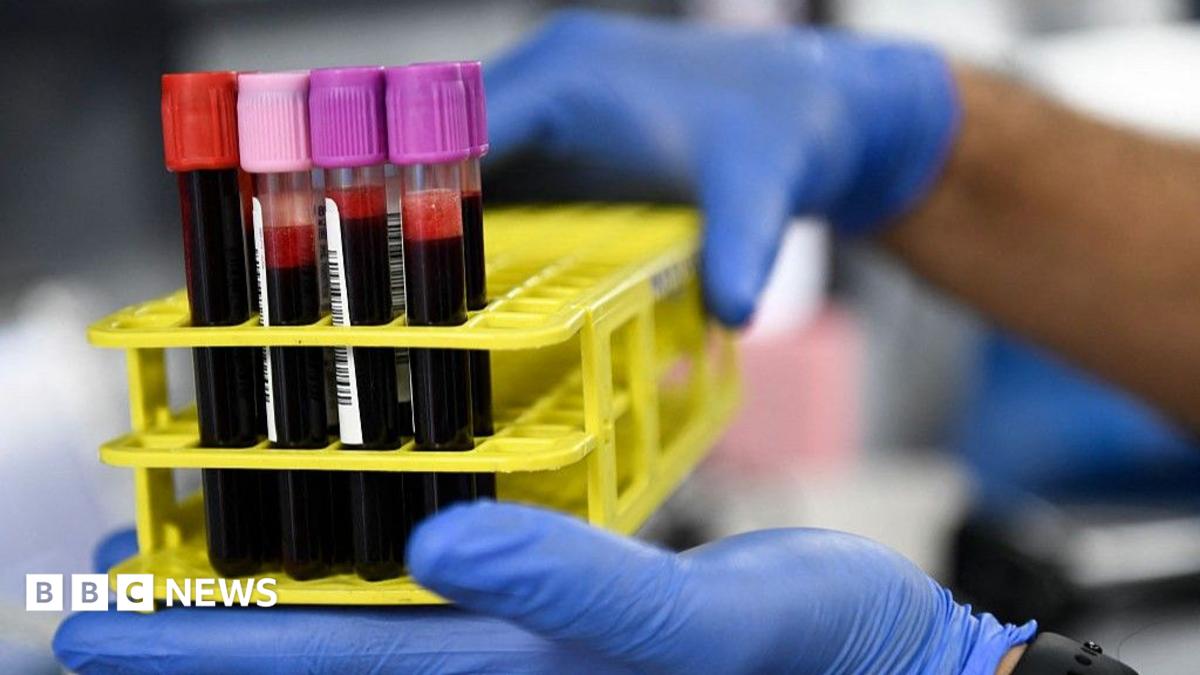
A blood supply shortage in the US has reached a "crisis" level, according to the American Red Cross, which says it is the second time in its 150-year history that levels have been this low.
Factors including wildfires and extreme heat have combined to create the current situation, Dr Courtney Lawrence, who works with the American Red Cross, told the BBC.
Supply levels dropped by a quarter just last month. The crisis has struck during summer, when the amount of blood needed by hospitals typically increases.
That is because of an increased number of car accidents and more people spending time outdoors, resulting in more injuries that require blood transfusions, Lawrence said.
The American Red Cross - which is the largest single blood supplier in the US, providing about 40% - is currently distributing about 3,500 more units than normal during this time of year, according to Lawrence, who added that the organisation is having to dip "very, very low into our blood inventory".
"We don't have the ability to stockpile blood super far in advance because blood does have a finite shelf life, it does expire," she said.
Donated blood has to be used within 42 days because blood cells degrade over time.
Supplies of every blood type are currently needed, but especially O positive, which is considered a universal blood type and can be given to people in an emergency when theirs is unknown.
Lawrence said hospitals they have spoken to believe the crisis could have some impact on routine operations and some have considered "whether they may need to divert patients to other trauma centres if they cannot keep enough blood on their shelves to be able to support emergencies".
She stressed that a combination of factors led to an existing shortage worsening to crisis level.
High temperatures in the US this summer have meant people are more selective about when they venture outside and some facilities that intended to have blood drives have not been able to maintain a safe and comfortable environment for them, Lawrence said.
The increased number of wildfires also diverted some resources, while there has been the unique situation of "widespread food-borne illnesses" hitting the country, according to the Red Cross - apparently referring to the explosive diarrhoea parasite, cyclosporiasis.
The first time the American Red Cross declared a blood supply crisis was in January 2022 during the Covid pandemic and a period of severe winter weather.
Meanwhile, blood supplies in Canada have also declined, by nearly 20% since the start of June, according to Canadian Blood Services.
"Over the past six weeks, appointments have fallen short by 1,500 to 2,500 each week, requiring a draw on existing inventory to meet patient needs," it said in a statement.
Unlike in the US, the reason for the drop in donations there is unknown.
"While a seasonal decline in donations is expected during the summer months and factored into planning, appointment bookings have fallen well below typical summer patterns," said Canadian Blood Services.
"There are now limited days on hand of several blood types - levels that are not sustainable for patient care should this trend not reverse itself."