
ROMS: New scheme announced to tackle obesity in Northern Ireland
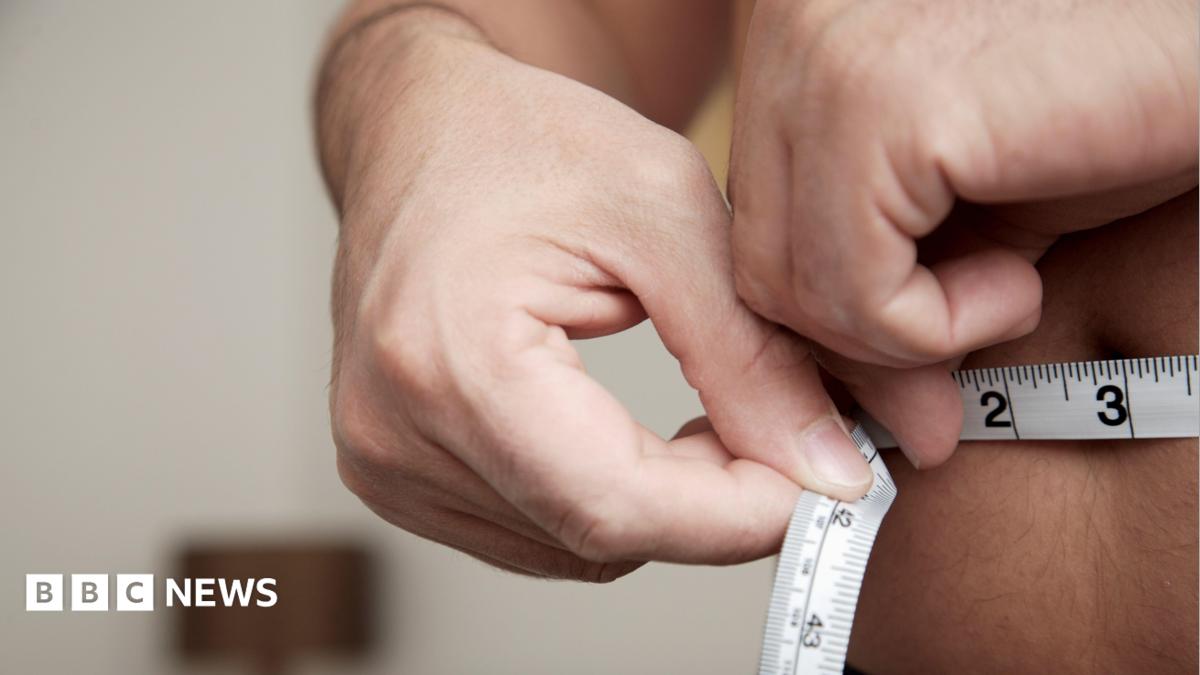
A new £5m service aimed at tackling obesity will launch across Northern Ireland later this year, the Department of Health (DoH) has announced.
The Regional Obesity Management Service (ROMS) will provide eligible adults with access to weight-loss medication, including jabs, alongside diet, exercise and lifestyle support.
At the moment only people with type-2 diabetes can access weight-loss jabs on the NHS in Northern Ireland.
About 65% of adults in Northern Ireland are living with obesity or excess weight, according to the DoH.
The service is expected to begin rolling out in early autumn 2026, initially focusing on adults with the greatest clinical need.
Health Minister Mike Nesbitt said obesity is a significant public health issue and that the new service would help people live longer, healthier lives while reducing pressure on the health service.
"Health inequalities has been one of my main areas of focus since I became health minister," he said.
Nesbitt added that obesity disproportionately affects people from disadvantaged communities where the rate of obesity is at 68% compared to 62% in the least disadvantaged communities.
"The shift from treating ill health to helping people stay well will support longer, healthier, and more active lives," he said.
"Bringing Northern Ireland in line with the rest of the UK and improving health outcomes."
Adults aged 18 and over with a body mass index (BMI) above 45 and at least one obesity-related health condition, such as type 2 diabetes, heart disease or high blood pressure, will be eligible during the first phase of ROMS.
Weight-loss medication will only be prescribed where it is clinically appropriate and in line with National Institute for Health and Care Excellence (NICE) guidance.
The new service will launch alongside the Obesity Pathway Innovation Programme (OPIP), a separate £7m initiative designed to widen access to weight management support.
That programme will allow eligible people to refer themselves for help from a Health and Social Care clinician, removing the need for a GP referral.
Nesbitt told the BBC's Good Morning Ulster radio programme that the schemes are about more than just injecting weight loss medication.
"Because all the evidence suggests that when you do take that medication, there's a dramatic loss in weight," he said.
"But if that's all you do, and you don't address your lifestyle, if you stop taking the medication, the weight goes back on equally dramatically.
"So we're talking about individual care plans. We're talking about realistic targets for weight loss, advice on diet, advice on activity, and monitoring people as they go along that pathway."