
Skin cancer in older adults: Risks, early detection, and treatment
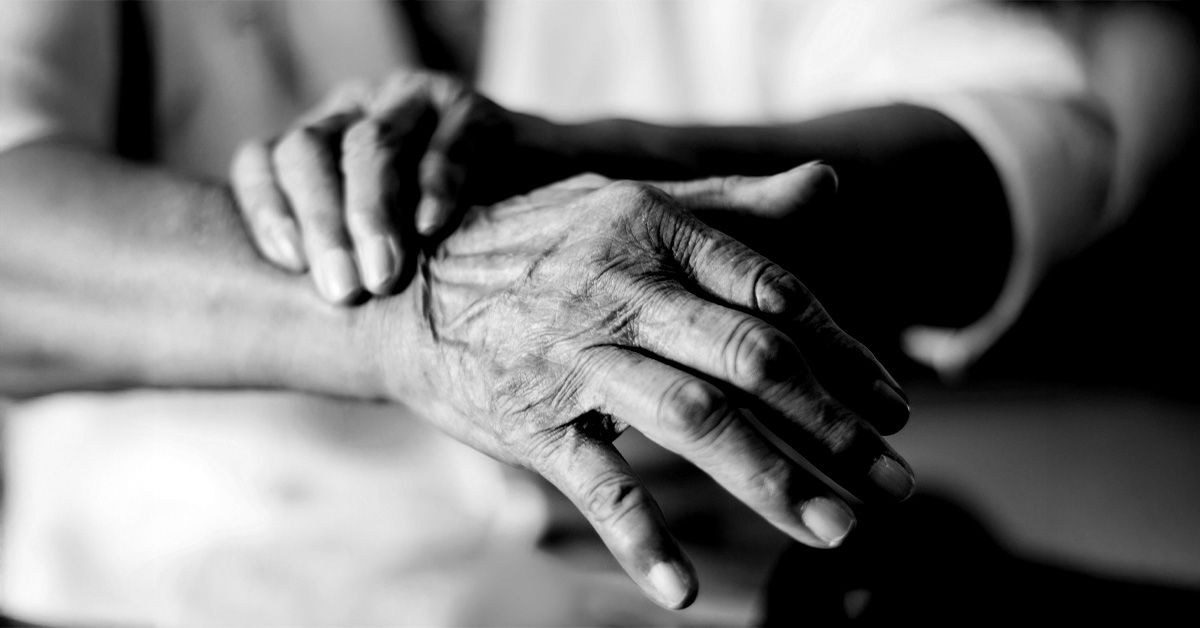
Older adults are at a high risk of skin cancer due to a lifetime of sun exposure and physical changes related to age.
Skin cancer is the most common form of cancer worldwide and disproportionately affects adults ages 65 years and older.
One in five American adults will receive a diagnosis of skin cancer by the time they are 70 years old.
With an aging global population and higher incidence rates of skin cancer, the disease represents a
In particular, researchers forecast the rising incidence and prevalence of nonmelanoma skin cancer (NMSC).
In this article, we discuss the risks, detection, and treatment of skin cancer as it applies to older adults.
The term “skin cancer” refers to a group of conditions where malignant cells develop in skin tissue.
It includes NMSCs such as basal cell carcinoma and squamous cell carcinoma, which are the most common and have the most favorable outlooks. It also includes melanoma, which is less common but more dangerous.
The risk of melanoma increases with age. The average age at the time of diagnosis is
Older adults have a higher risk of skin cancer than younger adults, although skin cancer can develop in people of any age.
Exposure to UV radiation is one of the biggest risk factors for skin cancer. This is particularly relevant to adults who have accumulated a lifetime of sun damage.
As age is a risk factor for skin cancer, it is important for older adults to watch for the signs of the disease, particularly if they have other risk factors.
Unlike many forms of cancer, which are undetectable in their early stages, skin cancers such as NMSC and melanoma may be detectable through visual screening early in their development.
Individuals at high risk of skin cancer may wish to consider routine screening from a dermatologist in addition to home self-exams.
When performing a self-exam, there are slightly different criteria to look for depending on the type of skin cancer.
The
A common method for identifying melanoma is to use the “ABCDE” rule when evaluating spots on the skin. It involves assessing moles or spots for:
Basal cell carcinoma (BCC) and squamous cell cancer (SCC) can cause some
BCC occurs less frequently in people with darker skin tones. In these individuals, the symptoms may look similar but with a darker tone.
Skin cancer treatment in older adults depends on various factors, including the type of cancer and its progression and a person’s age and health status.
There are both surgical and nonsurgical treatment options for skin cancer. Surgical techniques include Mohs surgery and wide local excision, while nonsurgical options include radiation and immunotherapy.
For older adults, a multidisciplinary team that may include a dermatologist, surgeon, oncologist, geriatrician, and nurse may collaborate to determine the optimal treatment approach.
They will balance the effects of treatment with quality of life and consider factors such as life expectancy, functional independence, and lag time to benefit.
Sometimes, a person may be unable to tolerate surgery due to a health condition, such as peripheral vascular disease or diabetes, or medications they take, such as anticoagulants. In these cases, doctors may use more conservative treatments such as watchful waiting or high dose rate brachytherapy, which involves inserting radioactive implants in the body.
Skin cancer is the most common form of cancer worldwide. Age is a risk factor for the disease, as is excessive exposure to the sun’s UV rays.
It is never too late for adults to take steps to try to prevent the disease. They can do so by avoiding the sun when possible and applying sunscreen and wearing sun-protective clothing.
If a person is at high risk of skin cancer due to a personal or family history or physical traits, they may wish to speak with a doctor about routine screening.