
Sleep hygiene tips for older adults
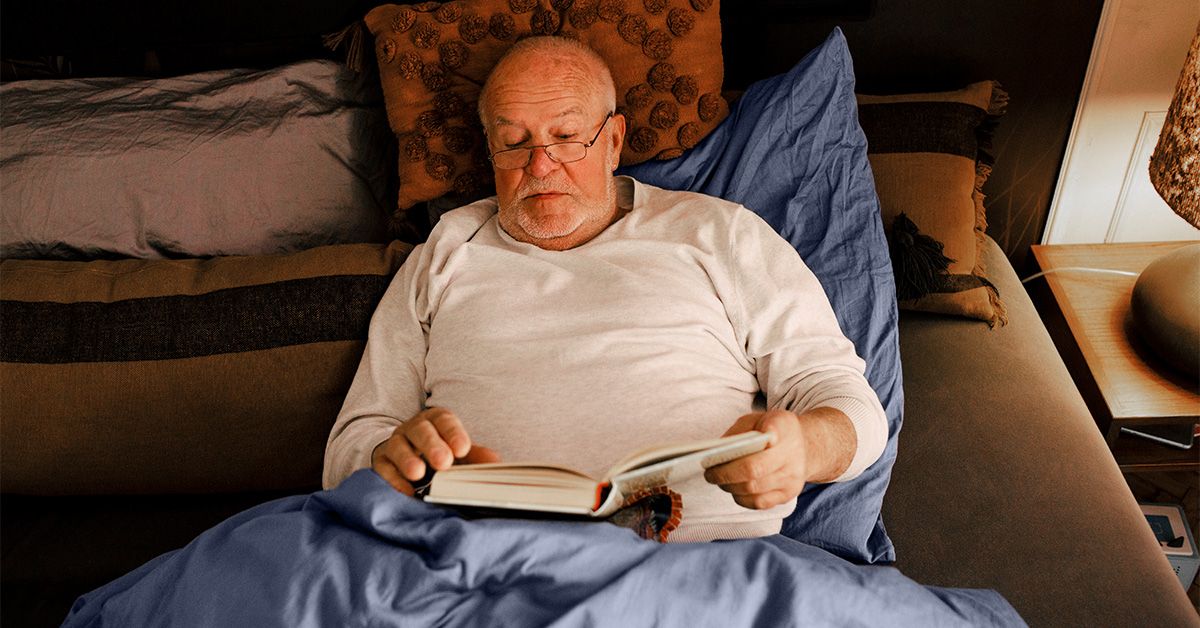
Sleep is important at all ages, but older adults often do not get enough. Proper sleep hygiene can help promote healthy sleep habits and help individuals stay healthy as they age.
Sleep hygiene refers to healthy sleep habits that can help a person fall asleep faster and stay asleep longer. Proper sleep hygiene can improve overall sleep and well-being.
A lack of sleep is associated with various health issues in older adults, including diabetes and high blood pressure. It is also linked to mental health issues like anxiety and depression.
There are various ways to improve sleep hygiene. If a person continues to have issues sleeping, they may want to speak with a healthcare professional.
A person can set a consistent time to go to bed and wake up that allows them to get enough sleep. Sacrificing sleep for more time awake can negatively affect waking hours. Keeping a consistent schedule, even on the weekends and while traveling, can help.
Creating a bedtime routine
It is important to have an environment that is conducive to sleep. Optimizing the light, temperature, and noise in the bedroom can help promote comfortable sleep.
Stress can both directly and indirectly affect sleep quality. Finding ways to manage stress can help promote better sleep.
If a person feels overly stressed or anxious and it seems to affect their daily life, they can speak with a mental health professional.
Regular physical activity is important for overall health and can also help improve sleep. The National Institute of Aging (NIA) notes that a person should try to avoid exercise within
The
Sleep is important for older adults for many reasons. Getting enough sleep
Sleep can affect a person’s ability to function during the day.
If they try changing their sleep hygiene and still experience difficulty sleeping, they may want to talk with a healthcare professional.
There is a common belief that people require less sleep as they age. Many older adults also believe that insomnia is a typical part of aging, which often leads to the issue going untreated.
However, the
Older adults often get less sleep than they need.
One study showed that around 69% of older adults participating in the research reported sleep issues. Some of the factors that contribute to older adults getting less sleep include difficulty falling asleep, difficulty staying asleep, and nonrestorative sleep.
Practicing proper sleep hygiene can help you get more sleep. However, if a person continues to have issues sleeping, speaking with a healthcare professional can be a helpful next step.
Medicare can help cover the cost of sleep studies if a person shows signs or symptoms of certain sleep disorders, including sleep apnea, narcolepsy, and parasomnia.
Medicare Part B may also help cover cognitive behavioral therapy for insomnia (CBT-I).
Sleep is important for overall health and well-being, but many older adults do not get enough sleep.
The CDC recommends that adults 60 years old and over get 7 to 9 hours of sleep each night. Not getting enough sleep can increase the risk of conditions like heart disease, diabetes, and falls.
Changes to sleep hygiene can improve sleep quality. These may include setting a sleep routine, changing the sleep environment, and getting more physical activity.
If a person continues to have issues with sleep, they should speak with a healthcare professional.