
Spain removes Gibraltar from its tax haven blacklist
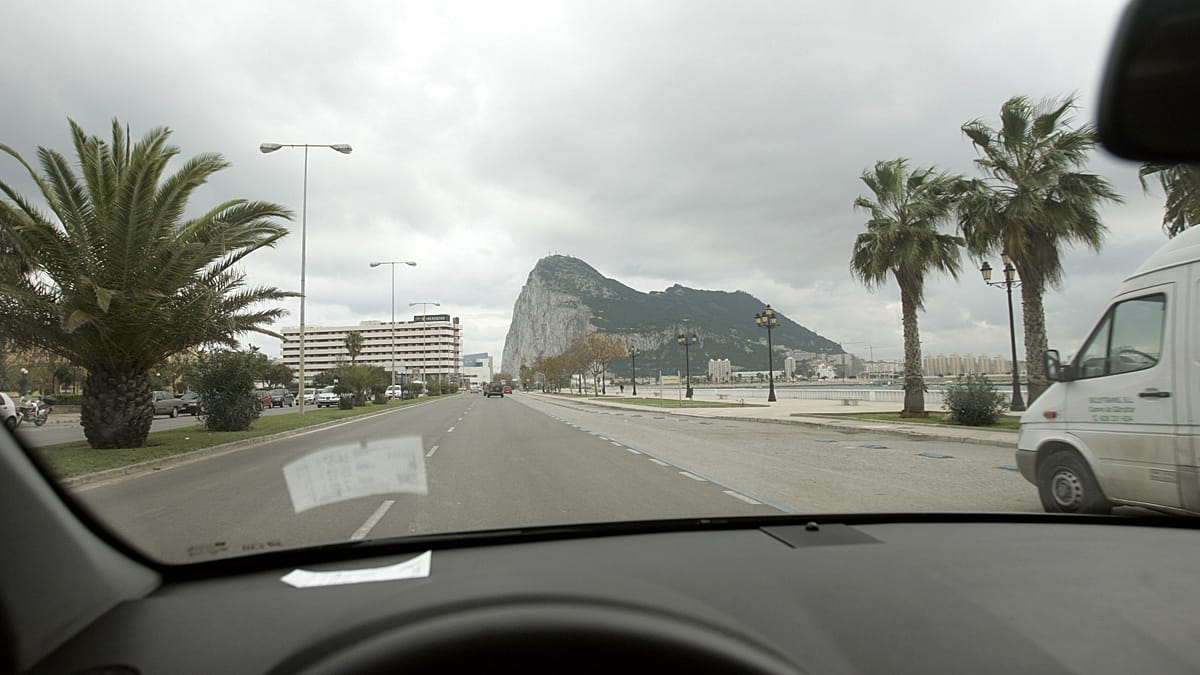
Spain has officially removed Gibraltar from its list of non-cooperative tax jurisdictions after 35 years, according to a ministerial order published on Saturday in the Official State Gazette (PDF (source in Spanish)). The decision confirms something that had been on the table for years: Spain no longer considers Gibraltar a tax haven, alongside Barbados, Dominica, Samoa, Seychelles, and Trinidad and Tobago.
The decision is underpinned by technical criteria, not by diplomatic gestures. Gibraltar signed a bilateral agreement on tax cooperation with Spain in 2019, which came into force in March 2021, and its implementation has been deemed satisfactory.
The Spanish Ministry of Finance stresses that Gibraltar is part of the Global Forum on Transparency and Exchange of Information for Tax Purposes and that it no longer operates a low- or zero-tax regime under OECD standards. The territory also takes part in the Inclusive Framework on BEPS and has ratified Pillar Two, the OECD agreement that sets a 15% global minimum tax for multinationals.
Gibraltar’s removal from the list is not a diplomatic courtesy: it is the technical recognition that it complies with international tax rules, something that could not be verified for 35 years. Gibraltar’s Chief Minister, Fabian Picardo, welcomed the move with relief, calling it ‘a historic injustice of more than 30 years’ and saying it was something that ‘should have happened a long time ago’.
The measure also has an immediate European dimension. The agreement put forward by the European Commission to the Council in February 2026 sets out, among other things, commitments on fair taxation and anti-tax-evasion standards aligned with OECD criteria, something critics had been demanding for years. Gibraltar’s removal from Spain’s list comes just as the regulatory framework between the Rock, the EU and the United Kingdom starts to take final shape after Brexit.
Even so, the decision has not escaped criticism. Organisations such as the Tax Justice Network rank Gibraltar 37th in their ranking of corporate tax havens and estimate that the territory causes annual revenue losses of US$7.354 billion for other countries. Experts in international taxation point out that official lists only measure the formal exchange of information, not actual tax practices.
At the other end of this update, Russia joins, for the first time, Spain’s list of non-cooperative jurisdictions. The European Union had already placed it on its own blacklist in February 2023, due to Moscow’s lack of cooperation on tax matters with the bloc. Spain is now following the same approach, having identified a tax regime that is considered harmful under international standards.
In practice, the direct economic impact of this move is limited. Sanctions imposed over Russia's invasion of Ukraine have already severely restricted economic flows between Spain and Russia, so inclusion on the list simply adds another layer of scrutiny to trade relations that are already very constrained.
The move increases pressure on Russian capital in Spain and makes transactions with Russian entities more difficult, including those carried out by Spanish companies that still maintain limited commercial ties with Moscow.