
Starmer overrules Miliband on electric car sales targets as he looks to appease automotive industry
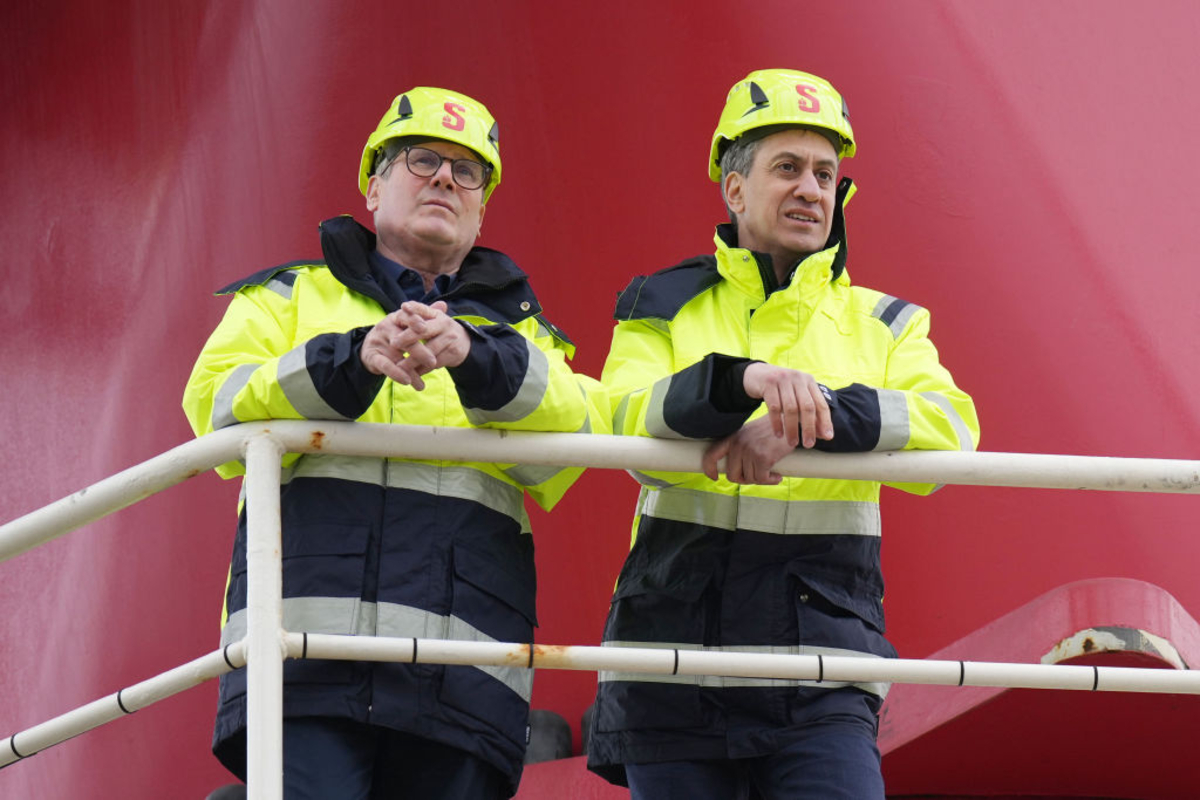
Keir Starmer will water down the UK’s electric vehicle sales, in a significant blow to energy secretary Ed Miliband’s net-zero agenda, in a bid to quash fears in the automotive industry.
According to reports in The Sunday Times, the prime minister is understood to have overruled Miliband following pressure from the industry, the Unite union and business secretary Peter Kyle.
An announcement outlining the changes is expected in the coming weeks, which will slow the pace at which the UK must switch to electric cars.
The zero emission vehicle (ZEV) mandate’s requirement that 80 per cent of new car sales are of all-electric models by 2030 will be reduced to 50 per cent.
But the changes will be subject to a consultation and require the backing of devolved administrations in order to be rolled out nationwide.
Motoring bosses have previously warned that the mandate would force them to pull investment out of the UK, with the prospect of major job losses also thought to be a factor in Starmer’s decision to slash the requirement.
Sharon Graham, the general secretary of Unite, said the “targets must be radically reduced” warning if the government fails to act that it “will be responsible for the decimation of the automotive industry”.
The British car industry generates £25bn for the economy, and is directly responsible for 183,000 jobs.
The ZEV mandate has also angered industry chiefs as they have had to offer huge discounts to avoid fines of £12,000 per car sold over the quota.
However, the decision marks a significant U-turn in Miliband’s green agenda, with the energy secretary having faced increasing pressure in recent months to claw back his stance on oil and gas drilling to boost the economy.
Mililband has argued that it was “very important” that the government strengthened its “commitment to our would leading EV transistion plan”.
He also insisted that the ZEV mandate would ultimately benefit consumers and support domestic manufacturing.
While Starmer’s decision may soothe the automotive industry, is it unlikely to have a similar effect for the EV industry, who have insisted that UK drivers were coming round to the idea of moving from petrol and diesel.
UK Sustainable Investment and Finance Association (UKSIF) chief executive James Alexander said: “Investors in the UK have been absolutely clear that the Zero Emission Vehicle (ZEV) mandate is vital for driving investment into our charging infrastructure.
“This framework has given the market confidence to commit vast sums of private capital to building out these networks across the country.
“Any attempt to water down these targets could send warning signals to these investors about the government’s long-term commitment to electrifying our transport network.
“This could threaten future financing for charging infrastructure, at a time when more and more consumers are seeking to switch to electric vehicles.”
The ZEV mandate was introduced under Boris Johnson in 2020, before coming into force in 2024, obligating manufacturers to ensure at least 22 per cent of car sales were electric.
This increased to 28 per cent last year and was scheduled to rise to 33 per cent in 2026, before reaching 80 per cent in 2030, where the point sales of new petrol and diesel cars were due to be outlawed altogether.
Rishi Sunak then pushed a ban on sales of new cars purely powered by petrol or diesel from 2030 to 2035, but Labour reinstated the earlier deadline in its manifesto.