
Starmer resigns as Prime Minister, handing Labour to Burnham as Reform UK surge punctures Westminster
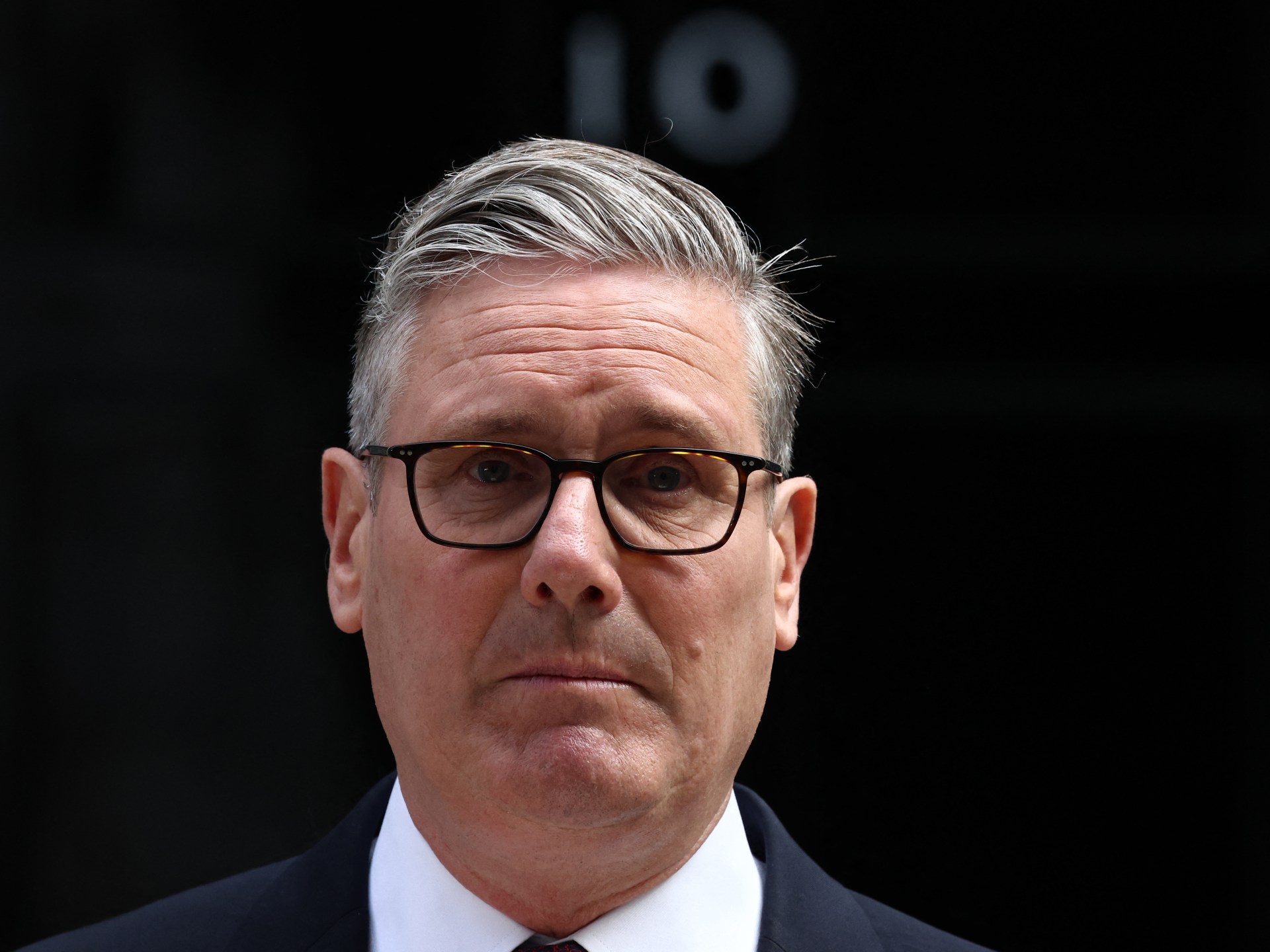
Sir Keir Starmer's premiership ends in mutiny less than two years after his landslide, with the Greater Manchester mayor poised to become Britain's seventh Prime Minister in a decade.
Sir Keir Starmer has resigned as Prime Minister of the United Kingdom, ending a premiership that began with the largest Labour majority in a generation and concludes, less than two years on, in open parliamentary revolt.
The announcement, delivered with what aides briefed reporters was "good grace", caps months of cabinet briefing, polling collapse and a Reform UK insurgency that took strategists by surprise on both sides of the Commons. Sir Keir told the country he would remain in post until a successor is chosen, with nominations opening on 9 July and the contest closing before the Commons rises for the summer recess on 16 July. If a leadership election proves necessary, a new Prime Minister is expected to be installed before Parliament returns in September.
The proximate cause was last month's local elections, in which Labour shed councillors at a rate not seen since the early years of the Tony Blair revival in reverse. Internal modelling presented to the Parliamentary Labour Party in early June showed the government on track to lose well over a hundred seats at the next general election, with Reform UK supplanting the Conservatives as the leading opposition force in dozens of midlands and northern constituencies.
Cabinet ministers, who had publicly insisted on collective discipline, began briefing in private that the Prime Minister had "lost the room". The death blow came when the Greater Manchester mayor Andy Burnham declined to rule out a leadership bid in an interview last week, a calculated piece of silence that broke the dam.
Mr Burnham is now the heavy favourite, with bookmakers offering odds shorter than at any point in his three previous flirtations with the Labour leadership. The Greater Manchester mayor combines an unusually high public profile for a regional politician with a soft-left platform that party strategists believe could halt the bleed to Reform without alienating the metropolitan vote Labour still holds. His base in the city that made modern Britain is, in this telling, a feature rather than a complication.
He is not, however, currently an MP — a complication that has not gone unnoticed. Allies are briefing that a route via the Lords or a by-election in a safe northern seat is being sketched out, and that Sir Keir's announcement of an extended handover is designed precisely to give that path the air to breathe.
For the United Kingdom this becomes the sixth resignation outside Downing Street in seven years and the seventh Prime Minister in a decade — a churn that has begun to be discussed in serious quarters as a problem of governance rather than partisanship. The pound's reaction will be tested when London markets open and the Bank of England's next decision falls into a political vacuum it had not budgeted for.
For Conservative Central Office, the news is double-edged. A weakened Labour leader is a target for any Opposition; a Burnham who can speak to Reform's voters in the language of northern grievance is something else entirely. For Reform UK itself, the resignation is a vindication of strategy and a deadline. The party that this morning was the apparent beneficiary of Labour's malaise becomes, by sundown, a movement that must prove it can govern.
Sir Keir's tenure will be parsed for decades — the great majority, the failure to translate it into either delivery or political traction, and the speed with which a parliamentary party that won in 2024 turned on the man who delivered the win. The most pressing question, however, is the one Westminster will be unable to dodge in the morning: who, precisely, is in charge of the British state for the next eight weeks?