
Streeting tax policies could cost the Treasury nearly £8bn
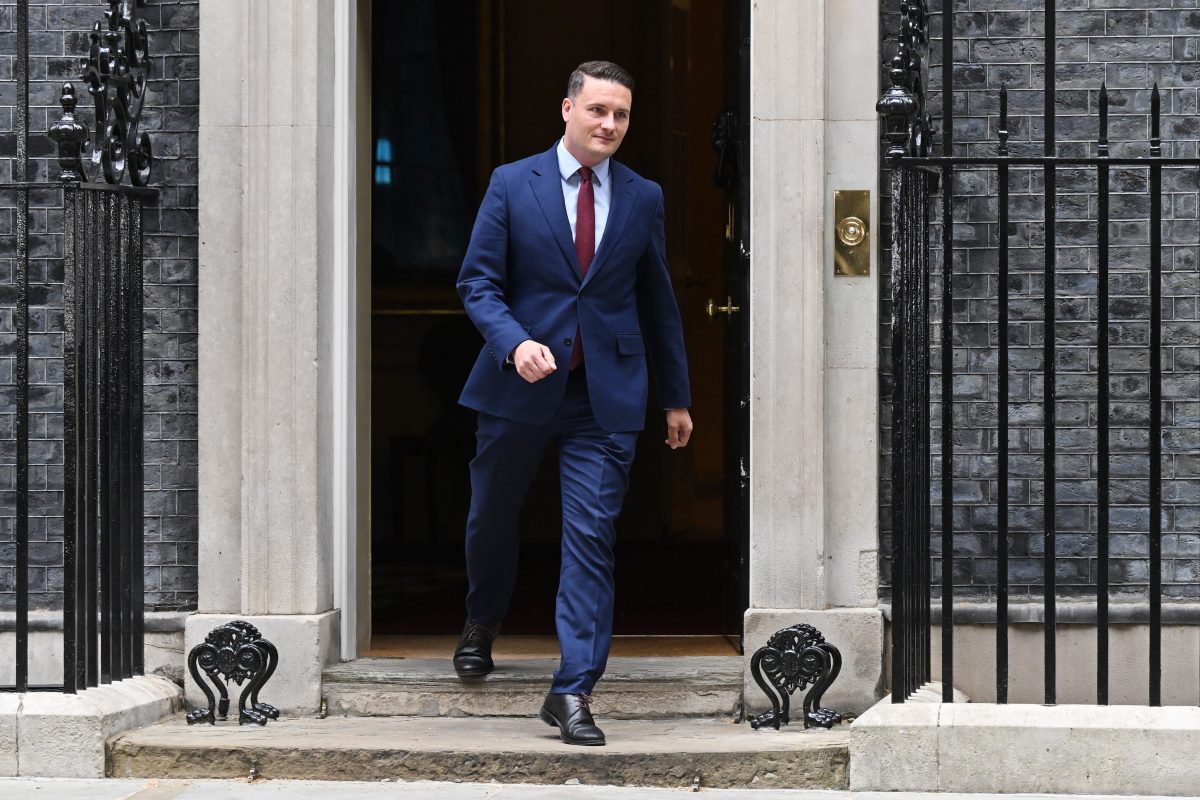
Adopting Wes Streeting’s plans to hike capital gains tax could cost the Treasury billions of pounds and lead to a reduction in retail investment, new analysis suggests.
Last month, Streeting, who is reportedly in the running to succeed Rachel Reeves as Chancellor should Andy Burnham enter No 10, proposed that capital gains tax (CGT) should be lifted to align with income tax bands, up from its current level of 24 per cent.
The former health secretary suggested this could raise billions for the public purse, but investment platform IG has argued it could instead cost the government £7.8bn.
Analysis from the company, using HMRC figures, suggested the loss would be primarily driven by the fact higher CGT rates discourage investors from selling assets in a bid to swerve a swollen tax bill.
“At a time when we need more people investing and building long-term financial resilience, making investment gains significantly more heavily taxed risks discouraging participation,” said Michael Healy, Managing Director of UK and Ireland at IG. “Aligning capital gains tax with income tax rates would not only make investing less attractive but would also prove fiscally counterproductive, costing the Treasury billions of pounds.”
Capital gains tax is only paid when an asset is disposed of. IG argued that higher rates would reduce the number of taxable transactions and ultimately lower overall tax receipts, while investors may opt to delay or avoid disposal as well as bring forward sales ahead of possible tax rises.
Basic rate taxpayers would see their CGT rate jump from eighteen per cent to twenty per cent under Streeting’s potential policies, which could raise as little as £10m, according to IG.
Higher rate taxpayers would suffer a massive 16 per cent jump, rising from a 24 per cent CGT rate to 40 per cent. This could lead many to stop selling and cause the Treasury to lose an estimated £3.2bn, IG said.
Additional rate taxpayers would be hit with a near doubling of their rate, climbing from 24 per cent to 45 per cent, which could cause many to freeze selling altogether, costing the Treasury roughly £4.6bn, the investment platform claimed.
A move to increase taxes on the sale of investments would also counteract the government’s push to increase retail investing activity in the UK, as it aims to boost the domestic economy, IG said.
Hiking taxes upon the sale of stock could leave investors pocketing less liquidity, dampening the incentive to enter the stock market and could cause the UK to lose even more of its competitive edge and interest, the group argued, adding that investors could opt to sit on their holdings to avoid paying the rising tax, keeping money which could be put back into the economy trapped.