
Suno hack shows the AI song generator is built on over 2 million tracks from YouTube Music and 12,000 hours of Deezer music
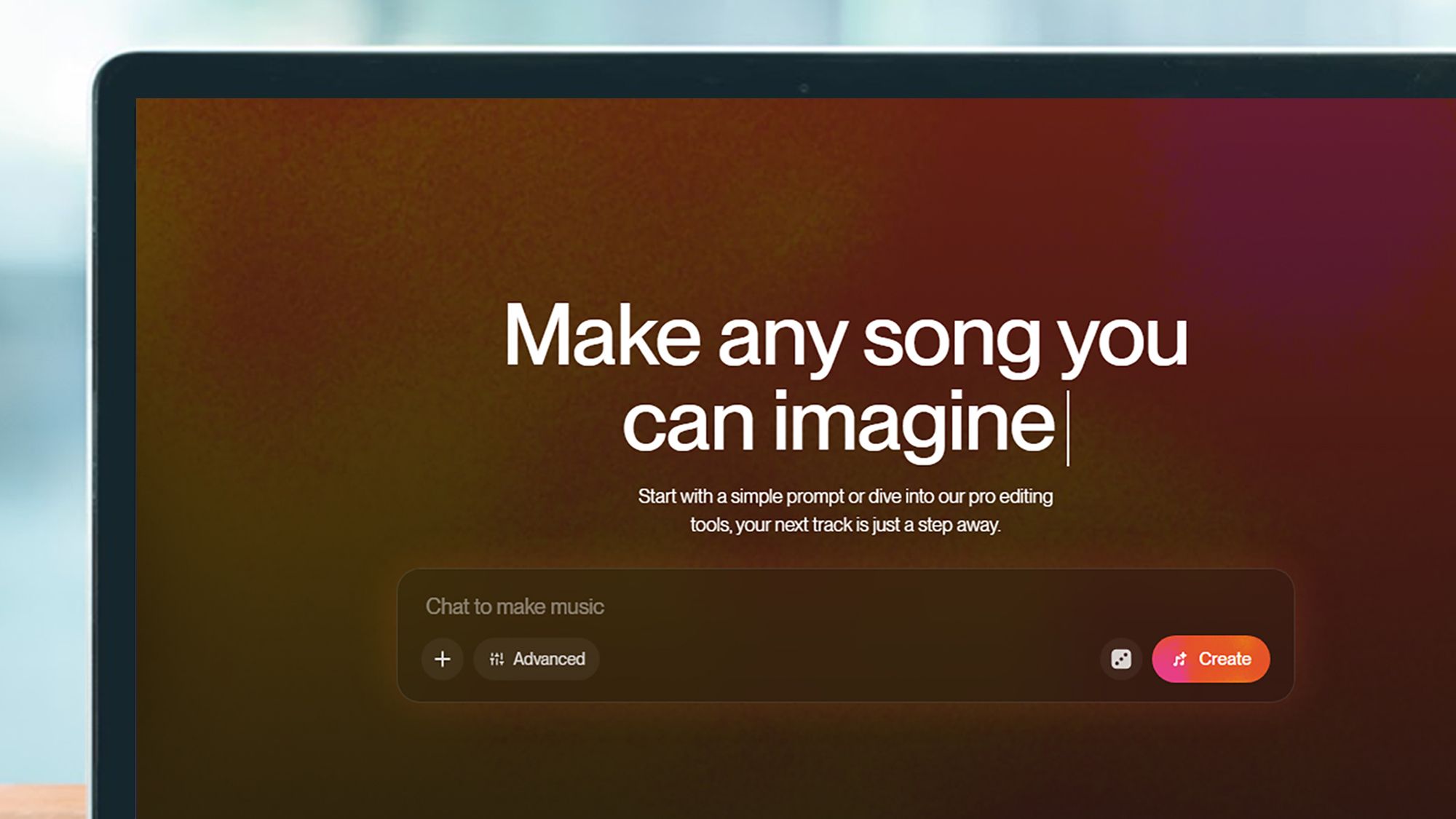
It's unlikely to come as a surprise to you that an AI company built training data on copyrighted works without permission or compensation, but a new hack of AI music maker Suno has seemingly revealed just how egregious the data theft has been.
As reported by 404 Media, a hacker known as ellie.191 was able to access Suno source code and training libraries, finding references to platforms such as YouTube, YouTube Music, Deezer, Genius, and the International Music Score Library Project.
The newly revealed data dates from 2023 and 2024, and references 2,013,545 tracks being ripped from YouTube Music, as well as 12,287 hours of music being ingested from Deezer. We're talking about decades' worth of tunes here.
Some of Suno's alleged ripping tactics are also revealed by the code: it seems its song grabber looks for acapella versions of tracks on YouTube for vocals training, while vast numbers of podcasts were also targeted by the software.
Suno is already facing multiple ongoing lawsuits around the practice of training its AI on copyrighted songs without permission, including one filed with the participation of the Recording Industry Association of America (RIAA).
The argument is not whether or not Suno has ripped this music — it's admitted to using "essentially all music files of reasonable quality that are accessible on the open internet" for AI training — but rather if it counts as 'fair use'.
It's a story that's playing out across other creative fields as well, including writing, photography, and filmmaking. AI models need human-made content in order to work properly, but the AI companies generally don't seem keen on paying for it.
Most commenters reacting online are expressing a lack of surprise that this is what Suno has been up to: one Redditor writes "this is literally what every LLM in existence has done", while another calls the practice "staggering theft".
Follow TechRadar on Google News and add us as a preferred source to get our expert news, reviews, and opinion in your feeds.
Dave is a freelance tech journalist who has been writing about gadgets, apps and the web for more than two decades. Based out of Stockport, England, on TechRadar you'll find him covering news, features and reviews, particularly for phones, tablets and wearables. Working to ensure our breaking news coverage is the best in the business over weekends, David also has bylines at Gizmodo, T3, PopSci and a few other places besides, as well as being many years editing the likes of PC Explorer and The Hardware Handbook.
Please logout and then login again, you will then be prompted to enter your display name.