
Teenagers on PIP get £100 a week more than part-time workers
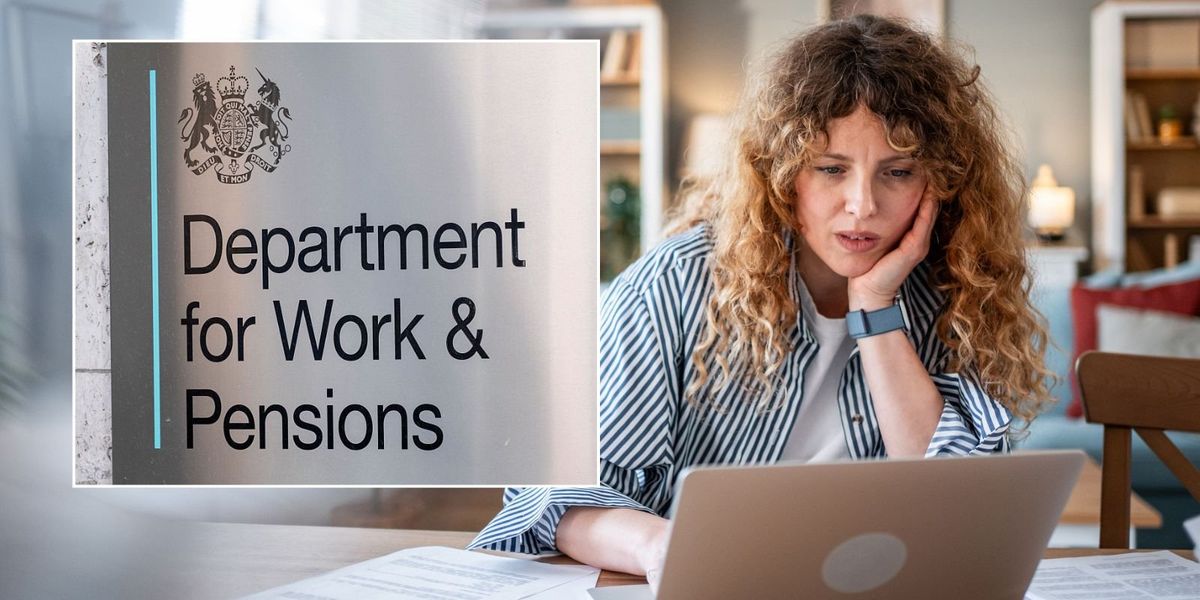
Thousands of teenagers are receiving financial support worth considerably more than their peers can earn from a part-time job.
The comparison has reignited questions about whether Britain's benefits system remains fit for purpose.
Teenagers aged 16 and 17 receiving the highest rate of Personal Independence Payment (PIP) can get around £100 more each week than someone earning the under-18 minimum wage in a 12-hour part-time job, according to analysis by The Times.
More than 87,000 teenagers in this age group currently receive PIP across England and Wales.
A 16-year-old working 12 hours a week during term time at the under-18 minimum wage would earn approximately £94. The maximum PIP award is around £194 a week, more than double that amount.
However, PIP is not an unemployment benefit or a replacement for wages. It is designed to help meet the additional costs of a long-term health condition or disability, and recipients can continue claiming it while working.
Official figures published earlier this year showed that the number of PIP claimants in England and Wales had exceeded four million for the first time, roughly twice the level recorded in 2019.
Among teenagers receiving the maximum weekly award, more than two thirds have mental health or neurodevelopmental conditions listed as their main disability. These include anxiety, depression, autism and ADHD.
The comparison between PIP payments and part-time earnings has added to calls for reform after a recent review concluded that the benefit system was outdated.
Any comparison should be handled carefully, however, because a teenager does not have to choose between PIP and employment.
Those who qualify can receive the disability benefit alongside wages, while the amount awarded depends on how their condition affects their daily life and mobility rather than on the diagnosis alone.
Prime Minister Andy Burnham has pledged he will not be "squeamish" about bringing down the welfare bill, though he has ruled out blunt austerity measures.
He told The Times: "It is not the traditional Westminster way of just crude cuts, short-term cuts that then create a backlash and create more political turbulence."
Instead, Burnham signalled a shift towards early intervention and prevention. "It is actually going to do things that will reduce the benefits bill, moving towards a more preventative state that makes the right investments to support people into work," he said.
His comments reflect a desire to tackle spiralling disability spending through structural change rather than simply slashing entitlements — an approach that would mark a departure from previous governments' attempts at welfare reform.
The Timms Review was established after ministers abandoned earlier proposals to overhaul disability benefits, including provisions for mental health claimants, following resistance from Labour backbenchers.
Disability minister Sir Stephen Timms was tasked with examining how PIP functions and gathering views on the system, with the Government committing to freeze any changes until the process concludes.
The review's interim report declared that PIP, as originally designed in 2013, is no longer fit for purpose. Its authors have promised that the final recommendations, expected this autumn, will be "bold in nature and bold in recognition of the wider environment in which disabled people in the UK are living".
A Government spokesperson said the autumn report would "lay the foundation for reform", adding that a record £16.1 billion is being invested in NHS mental health services this year, alongside the early delivery of 8,500 additional mental health workers.