
The 4 Best Foods for Acid Reflux
Follow this section to personalize your feed and get instant alerts.
Follow this tag to personalize your feed and get instant alerts.
Follow this author to personalize your feed and get instant alerts.
Follow this author to personalize your feed and get instant alerts.
Just about everyone is familiar with the uncomfortable burn of acid reflux. That sensation, also known as heartburn, is due to acidic contents of your stomach flowing upward into your esophagus. Up to 1 in 5 American adults experience these symptoms at least twice a week, diagnosed as gastroesophageal reflux disease (GERD).
Over-the-counter and prescription medications can help with reflux, but “not everyone responds the same to the various treatments that are available,” says Dr. Nicé Bertha Toriz, a gastroenterologist at MNGI Digestive Health and spokesperson for the American Gastroenterological Association (AGA).
The AGA recommends a personalized approach for everyone with acid reflux, she says, including counseling on weight management, lifestyle and dietary habits, and even relaxation strategies that may help manage symptoms.
Diet changes are among the most common tweaks people with acid reflux make. While more research and attention has been paid to the foods to avoid, some foods can also help the condition. Here are some of those options to consider.
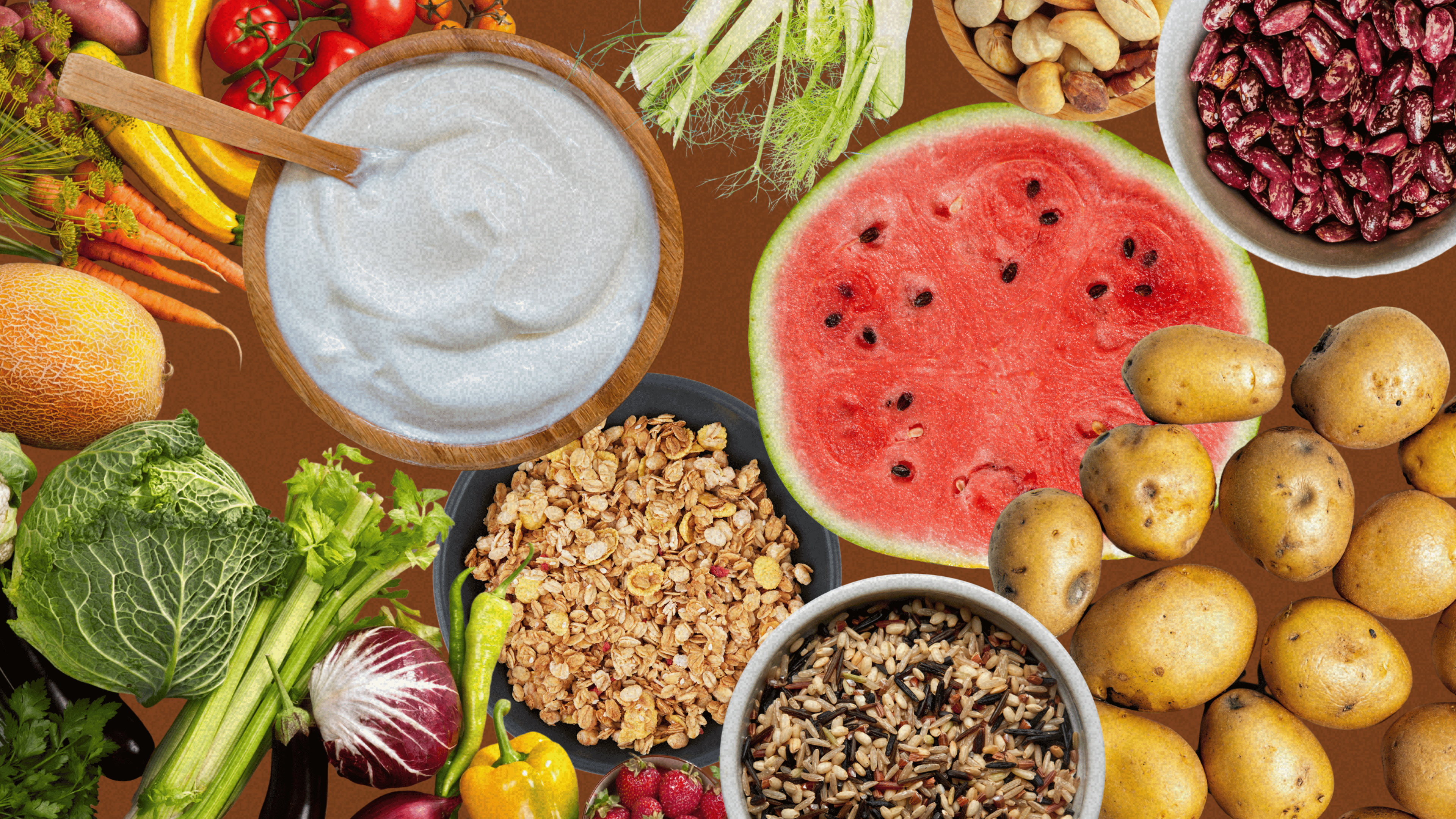
Research suggests people who get plenty of fiber in their diets have lower rates of acid reflux. Whole grains, legumes, oatmeal, brown rice, and vegetables are all rich in fiber. Adults should aim for 25 to 34 grams of fiber per day, but most Americans fall short of that goal.
One reason fiber might be helpful for heartburn is because it’s filling, so it may help prevent unwanted weight gain, says Amy Bragagnini, a spokesperson for the Academy of Nutrition and Dietetics and a clinical oncology dietitian at Trinity Health Lacks Cancer Center. “When people gain extra weight in their abdominal area, that can put pressure on the lower esophageal sphincter, which can increase risk of reflux,” she says.
Fiber also feeds the “good” microbes that live in your gut and keep your digestive system operating properly. “When our digestive system is functioning as it should, we don't have the kind of secondary side effects where acid reflux could increase,” Bragagnini says.
More research is needed to determine whether or not there is a true cause-and-effect relationship between eating more fiber and improvements in reflux, Toriz says. But in the meantime, “although studies are lacking…eating a high-fiber diet is healthy and definitely worth a try to see if it helps.”
Foods with less acid on the pH scale are called alkaline (or basic), and there’s growing interest in whether eating more of these foods can help limit acid reflux by neutralizing stomach acid. Preliminary research points to benefits of vegetables, potatoes, whole grains, legumes, nuts, seeds, and non-citrus fruits (because citrus fruits are higher in acid), Toriz says.
Melons, cauliflower, and fennel are other good options in this category, Bragagnini adds. And while the research supporting these foods specifically for acid reflux isn’t robust yet, they’re all good for you in many other ways, so they can’t hurt to try, she says.
These dairy products may deliver a cooling effect in your mouth and throat when you have acid reflux. “A lot of people tell me it physically feels soothing to them if they're having a flare,” Bragagnini says. The probiotics in yogurt may also help quell reflux.
But you may need to opt for low-fat or fat-free varieties. “High-fat foods can be a trigger for some people,” Toriz says. “If you notice whole milk bothers you, then try switching to a lower-fat option.” And consider lactose-free options if you’re lactose intolerant or otherwise sensitive to dairy.
Drinking plenty of water may help you manage heartburn. It doesn’t neutralize the acid in your stomach, but it can help clear it from your esophagus, Toriz says.
Water-rich foods like cucumbers, celery, lettuce, and watermelon might help, too. You’ll get the acid-clearing benefits of water, and because they’re low in calories, these foods can also help fill you up while maintaining a healthy weight, which reduces your risk of acid reflux, Bragagnini says.
You should seek professional help as soon as possible if your heartburn also comes with the following, Toriz says:
Otherwise, it’s never a bad idea to reach out to your primary care physician about your symptoms, Bragagnini says. They can help guide you to an effective treatment sooner rather than later, and dietary changes alone may not be enough.
Talk to a doctor about your symptoms, triggers, and treatment preferences, and they can discuss the various prescription and over-the-counter medication options for acid reflux, Toriz says. Your doctor will also likely ask you questions about your personal and family medical history. Depending on your symptoms, they may recommend you get additional testing like an endoscopy, she adds.
You can also consider working with a registered dietitian who can help you add more of the foods that help and limit those that might be triggering your reflux, Bragagnini says.
Everyone’s heartburn triggers are different, but common culprits include coffee, alcohol, chocolate, peppermint, citrus, garlic, carbonated drinks, and spicy and fatty foods, Toriz says. In addition to adding heartburn-friendly foods to your diet, it may also be worth cutting back on some of these and seeing how you feel.