
The MacKenzie Scott paradox: How a bull market lets billionaires give away tens of billions without getting poorer
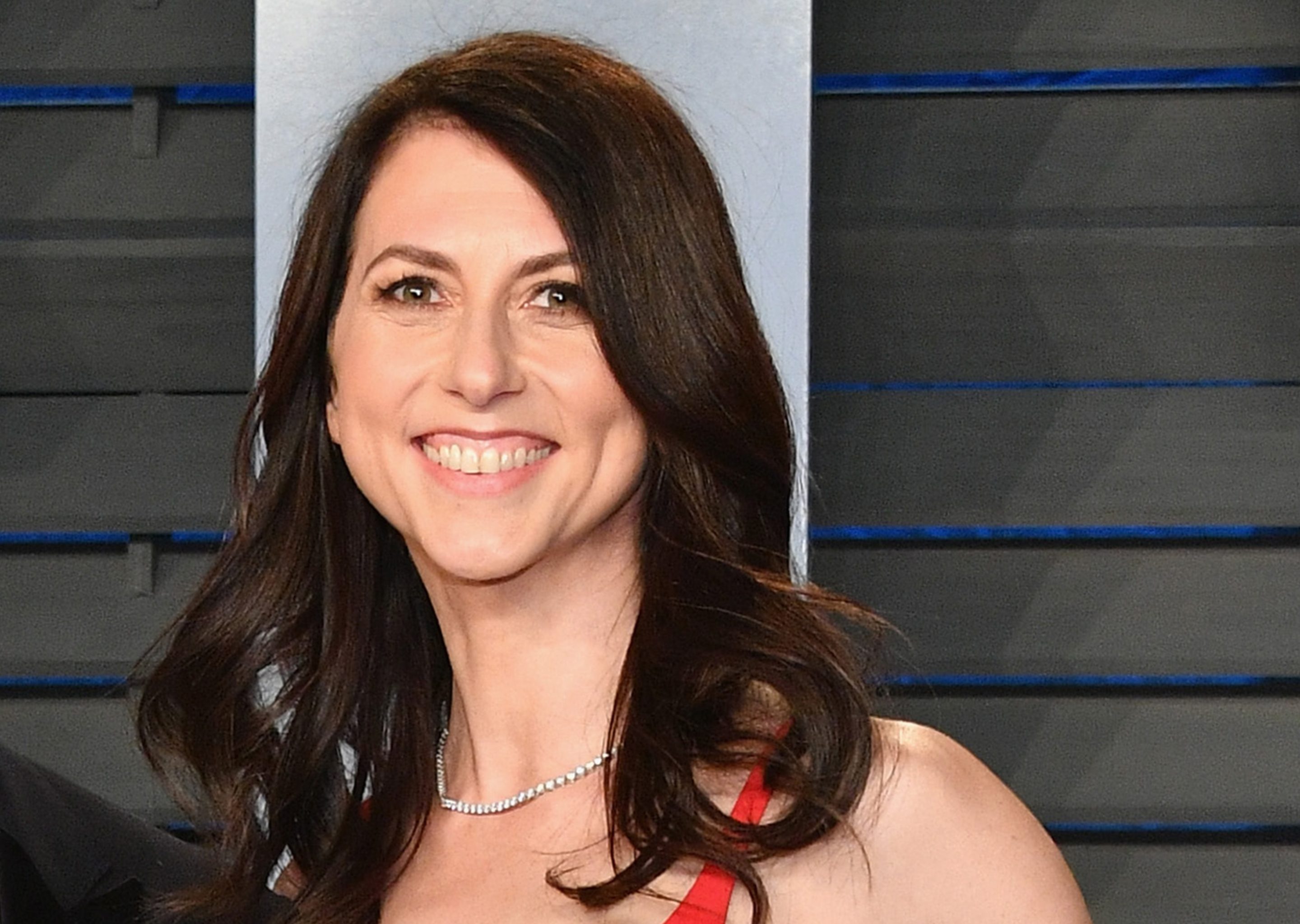
MacKenzie Scott has spent the past several years rapidly giving away her $35 billion fortune. But due to the power of Amazon shares she received upon her 2019 divorce from Amazon founder Jeff Bezos, the market keeps handing that wealth back to her.
Scott received roughly a 4% stake in the company (then worth about $36 billion) when they divorced, but has since donated more than $26 billion to thousands of organizations through her philanthropic platform, Yield Giving. She even was the biggest megadonor of 2025, having donated a whopping $7.2 billion in 2025 alone.
Having given away that much money, how does Scott have essentially the same amount she started with in 2019? It’s essentially market math and what wealth advisors call “concentrated equity wealth.”
This situation isn’t unique to Scott, and happens to other billionaire philanthropists. Another example would be someone like Michael Bloomberg, who is worth an estimated $110 billion, but has donated more than $25 billion.
Almost all of Scott’s fortune is tied up in Amazon stock, and Amazon has been on a historic run. Scott reduced her original stake by about 42%—selling or donating some 58 million shares worth around $12.6 billion. But the shares she still holds have appreciated faster than she can distribute them. Amazon share prices have jumped more than 42% in the past five years. Even though she donated more than $7 billion in 2025, her net worth has only dropped about $4.5 billion year-to-date, according to the Bloomberg Billionaires Index.
So while it would be easy to assume the logic of give money away, have less money, Amazon shares to continue to buoy Scott’s fortune.
This underscores how “equity compounding can reshape assumptions about wealth preservation, giving capacity, and portfolio longevity,” according to WealthAdvisor.
Scott is a prime example of how the ultra-wealthy hold their money, overwhelmingly in a single appreciating company they founded or helped build. In a prolonged bull market, capital appreciation can outpace even massive charitable distributions. That’s why a concentrated equity position, as investors call it, can sustain both large-scale giving and long-term wealth preservation at the same time.
What’s even more interesting, though, is the massive contrast between Scott and Bezos. The Amazon founder is worth nearly $270 billion, but his lifetime giving amounts to about $4.7 billion, or just 1.7% of his net worth. That amount is roughly one-fifth of what Scott has donated since the divorce, while she’s given away about 40% of her fortune, making her one of the most generous philanthropists in the world. Whether a billionaire’s fortune shrinks or swells has less to do with how much they give than with what the underlying stock does next.
Having signed the Giving Pledge, Scott is determined to give away the majority of her wealth while she’s living. That means she’ll likely continue to give money away aggressively.
It’s also illuminated how many people are approaching philanthropy differently today. Historically, massive charitable donations happened after someone’s death, like being left in a will.
So for wealth advisors, Scott example reframes philanthropy as both a capital-allocation decision as much as a legacy one. That’s proof a concentrated stock position can bankroll charitable giving, estate planning, and generational wealth transfer all at once.
It’s also a break from how the ultra-rich used to give. Andrew Carnegie built libraries and Henry Ford built a foundation designed to outlive him. Scott, by contrast, signed the Giving Pledge at 49, skipped the sprawling foundation entirely, and started moving billions out the door immediately through Yield Giving. Her goal wasn’t to build something permanent. It was to spend it down while she’s alive and able to direct where it goes.
Scott, who wrote she intends to keep giving “until the safe is empty,” may find the market has other plans for her wealth.