
The truth about "the Burnham Bounce"
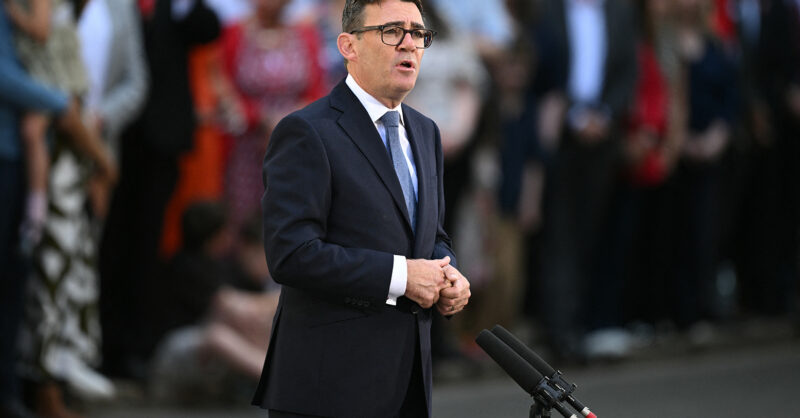
Andy Burnham is one of the most popular politicians in Britain today, but that doesn’t mean much. The new Prime Minister’s favourability is still only 28 per cent – lower than David Cameron, Theresa May and Boris Johnson when they entered No 10.
Twenty-nine per cent of people, meanwhile, feel negatively towards Burnham. A lot of the public remain undecided.
The largest gap between Keir Starmer and Burnham is in how many people dislike them. According to the Britain Elects poll trackers, while Burnham performs only 11 points better than Starmer on likeability among 35- to 49-year-olds, when it comes to being disliked by that cohort, Starmer is 35 points ahead.
In the North, Burnham does 20 points better for likability, and 34 points better for dislikability. Only in London do the new Prime Minister and his predecessor poll fairly similarly.
The next few weeks are crucial for Burnham to convince the undecideds to back him. The cost of living is the most important issue for voters. The policy they most remember from Starmer’s time in power was the decision to cut winter fuel payments. The public also wants real change on immigration and healthcare.
New leaders often enjoy a brief window of optimism. But will the Burnham Bounce be enough to put Labour ahead of Reform? Survation, which had Reform ahead by seven in June, now puts the two parties neck and neck. Opinium, which had Reform on 29 per cent at the start of June, now has Nigel Farage’s party on 23 per cent, although Labour is up only two points.
The Britain Elects poll tracker already points to a small rally in Labour’s fortunes – a measly increase of one percentage point since Burnham’s appointment. But it is notable that until the Makerfield by-election, there was a poll every two weeks putting Labour on 15 per cent. Since the Makerfield by-election not one opinion poll has put Labour below 18 per cent.
Burnham can enjoy a small bounce for now. But his next few decisions will determine whether it lasts.