
This summer's heat is a live stress test for data centers — here's what it's revealing in real time | Fortune
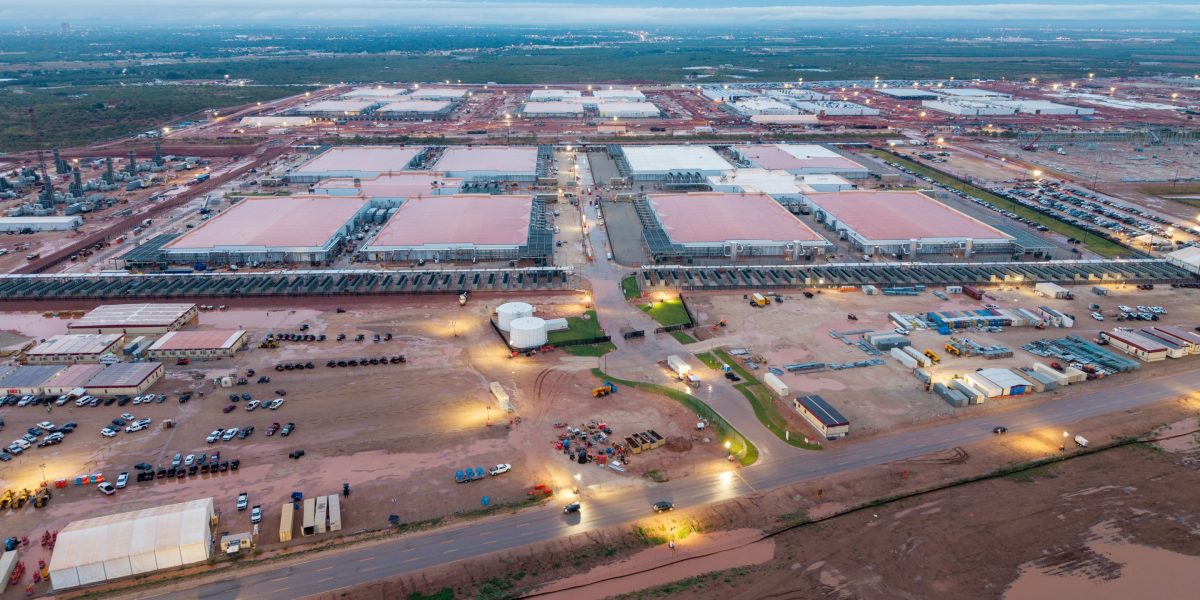
This summer has already produced three answers to questions the data center industry would have preferred to leave theoretical.
In May, PJM Interconnection—the grid operator serving data-center-dense northern Virginia—received emergency authorization from the Energy Department to curtail power to data centers because of “atypically hot mid-May weather conditions.” In France, temperatures of 44.3° C forced nuclear plants to shut down—the same plants Macron called the “heart” of France’s AI ambitions. And on Monday, Zurich Insurance disclosed that severe weather is now the leading cause of loss in its U.S. data center portfolio.
Data centers are having a massive year. So far in 2026, the world’s largest companies operating data centers have committed at least $750 billion to the sector, compared to $450 billion last year, the early stages of more than $3 trillion in capital investments forecast over the next five years, according to Moody’s.
That spending is now running directly into a stress test nobody scheduled.
A study published earlier this month by climate analytics firm First Street found that 79% of global data center capacity faces high risks from climate and weather elements, including from heat waves and flash flooding. These hazards can disrupt operations, lead to prolonged downtimes, and raise insurance costs, the study found.
Because the U.S. contains some of the world’s largest and fastest-growing data center hubs, its risk profile is sharper than most. Parts of the country that are seeing a surge in new data center construction as well as a rise in costly extreme weather such as flooding or drought include the Carolinas and Virginia, respectively ranked fifth and sixth in climate risk among the 97 global data center markets surveyed by First Street. Of 809 planned U.S. data centers, 517 are located in areas under drought warnings in the past year, according to an analysis by the Guardian.
Texas, home to at least 248 planned data center projects, illustrates the tension: The state’s cheap land and sparse population make it attractive to developers, but last year’s historic floods forced sites onto backup diesel generators and cut off repair crews—a preview of what hotter, wetter summers could mean for the country’s fastest-growing data center market.
High heat and drought can be just as dangerous. Data centers require extensive cooling equipment to make sure the servers they hold don’t overheat, but high temperatures can cause these cooling systems to fail faster. Data centers operating in these conditions also tend to pay more for energy and water, because they need to consume more to cool their systems down.
It’s a similar story in other countries. Out of 8,808 data centers worldwide that were operational late last year, almost 7,000 were located in areas with typical temperatures outside what is considered the optimal range for servers to operate in, according to an analysis by Rest of World.
The French shutdowns underscore a specific vulnerability: Data centers don’t just need cooling—they need the power grid to hold up while they’re doing it, and that grid has its own heat problem.
In the U.S., grid operators have already warned companies managing data centers to be prepared for unexpected changes to service if weather conditions demand. Texas Gov. Greg Abbott has also requested the state’s independent grid operator to demand operational limits for data centers it provides power to, citing affordability concerns.
As grids juggle data centers’ rising power needs with the demands of high summer temperatures, insurers are starting to take note.
Zurich, a Swiss insurance provider, now counts severe weather as the leading cause of loss in its U.S. data center risk portfolio, CNBC reported on Monday. Those losses and all the ways extreme weather can drain performance, including productivity loss, infrastructure damages, and higher operational costs, could add up to a $3.3 trillion bill for data centers by 2055, according to an analysis last year by researchers at the World Economic Forum. Climate-related costs, primarily driven by high heat, would result in losses worth nearly 10% of total data center asset value, the researchers found.