
Tips for managing loneliness in older adults
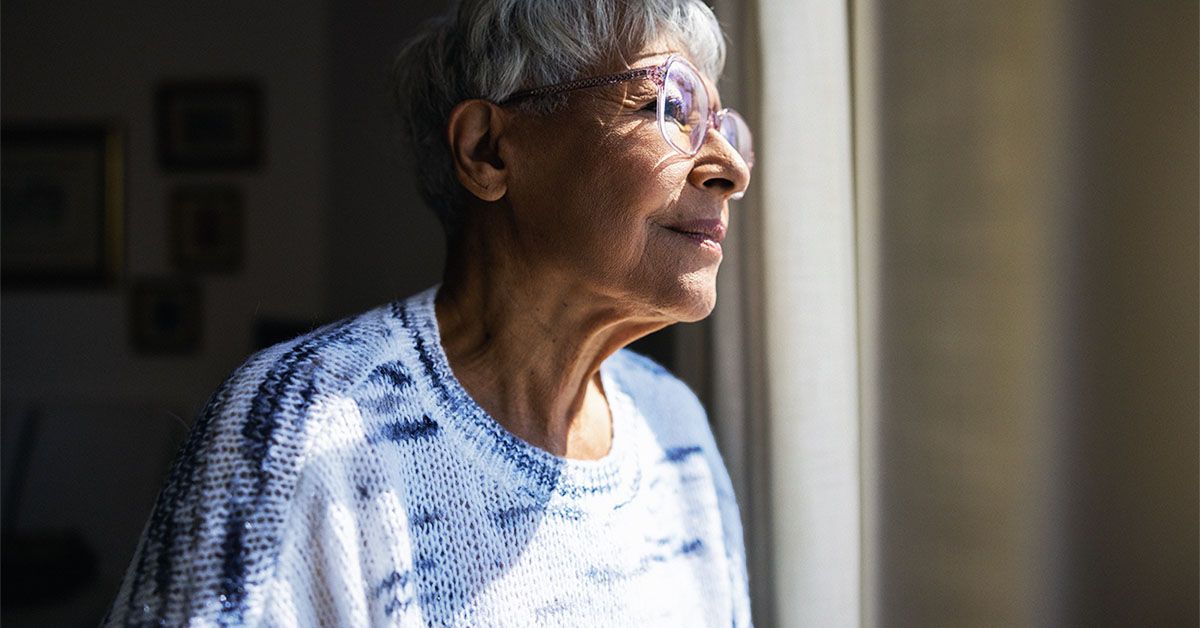
Older adults may be at a higher risk of experiencing loneliness and social isolation due to changes in health and social connections. However, there are strategies that can help manage these feelings.
Everyone needs a certain amount of social connection to thrive fully. However, as people age, they may often find that they spend more time alone.
This can lead to loneliness and social isolation, which can affect overall health and well-being and have associations with higher risks of health concerns like depression and heart disease.
Finding ways to foster social connections and reduce loneliness and social isolation can help improve an older person’s quality of life.
Loneliness and social isolation are related. However, they are
Loneliness is a potentially distressing feeling of being separated or alone. Social isolation is having few people to interact with regularly and a lack of social contacts.
It is important to remember that loneliness and social isolation
According to the World Health Organization (WHO), an estimated
Research shows that loneliness and social isolation can have significant effects on older adults, both emotionally and physically.
Those experiencing loneliness and social isolation may also be at a higher risk of mental health issues, such as:
According to the
Older adults may be at a higher risk of loneliness and social isolation for various reasons, including loss of mobility, hearing and vision issues, and major life changes.
Loneliness can have significant effects both physically and emotionally, such as a higher risk of high blood pressure, obesity, and heart disease. It can also lead to anxiety and depression.
Finding ways to stay connected with people can help reduce loneliness and social isolation.