
Top investment bank: Starmer and Reeves left UK
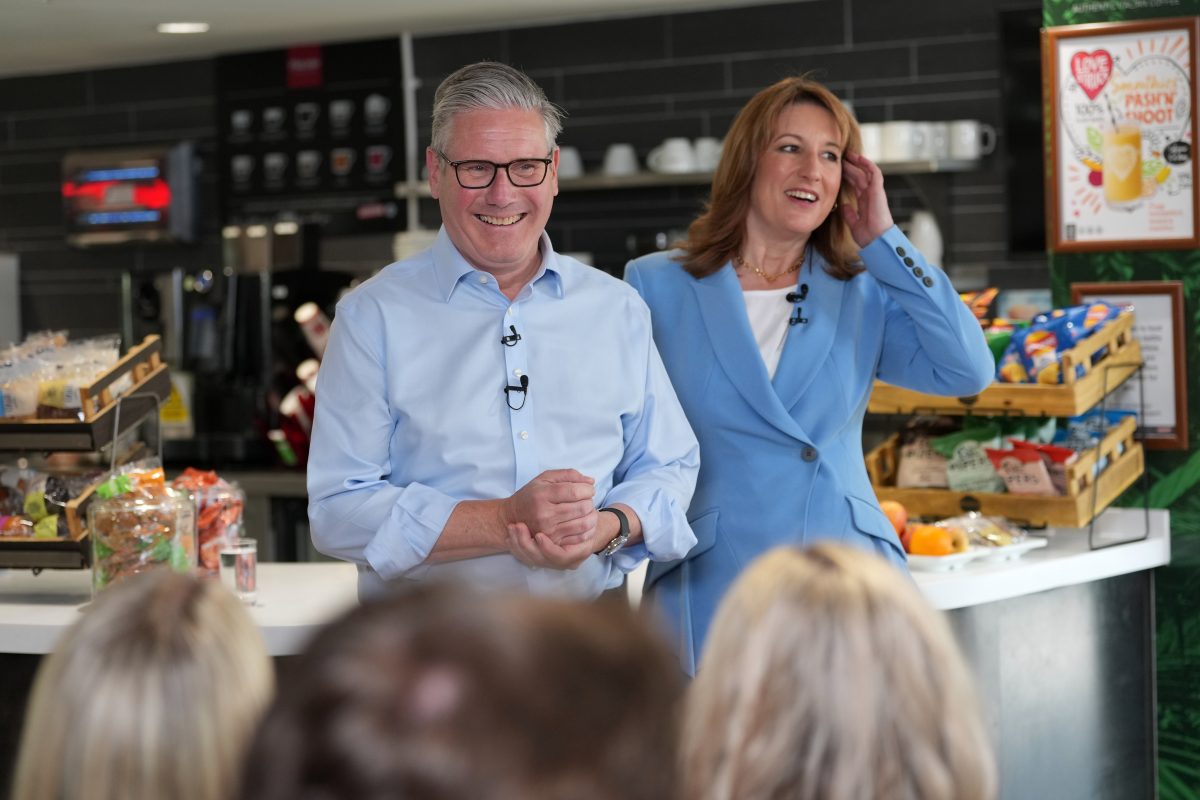
Keir Starmer and Rachel Reeves failed to leave the economy in a better position than they found it, according to top investment bank, which said the administration’s fixation on “luxury beliefs” kneecapped its number one mission to revive Britain’s flagging growth.
In a research note on Friday, Panmure Liberum said the former Prime Minister and Chancellor’s missteps in energy and housing policy meant it was “difficult to conclude” that the country’s economy had improved in the two years since the general election.
“Progress in pockets of the economy have been stifled by new barriers to construction and employment leaving the UK, in our view, no better off than it was in July 2024,” chief economist Simon French wrote, adding that the “new UK disease of prioritising luxury beliefs over hard-nosed competitiveness” cast a shadow over the pair’s economic legacy.
The paper contradicts a recent volley of claims from both Starmer and Reeves that Britain’s economy had improved during their time in office. In a resignation speech defending his legacy, Starmer said he had left “this country in better shape than I found it” and maintained the “economy is stronger”.
And speaking at the Mansion House dinner last week, Reeves told City execs she had “restored economic credibility” in Britain and put public finances on a firmer footing.
The outgoing administration had placed housebuilding and energy at the heart of their effort to turnaround years of stuttering growth and stagnant living standards. Its promise to make Britain a ‘clean energy superpower’ while bringing down households’ bills by £300 a year was a central plank of the Labour party’s pre-election manifesto. It also vowed to build 1.5m homes over the parliament.
But French said the Starmer administration’s refusal to open the country’s North Sea oilfields to new drilling had deterred private investment and served to ration an important source of power.
“There remains little chance of a revival in economic growth whilst this approach creates a wider chilling approach on the deployment of capital into energy assets and auctions lock in higher energy costs for a further generation,” he wrote.
He added that the last government had taken “a backwards step on private housing volumes as luxury beliefs swamp the positive rhetoric”. He also wrote the it had made “more encouraging progress” on speeding up key infrastructure projects.
Over the course of their premiership, the economy grew at roughly 1.2 per cent a year, broadly in line with the average since the country emerged from the 2008 financial crisis. Gross Domestic Product per capita – which takes into account the population size – grew slightly faster than the post-crisis trend, boosted in part by Starmer’s successful efforts to bring down immigration numbers.