
Top travel tips for seniors
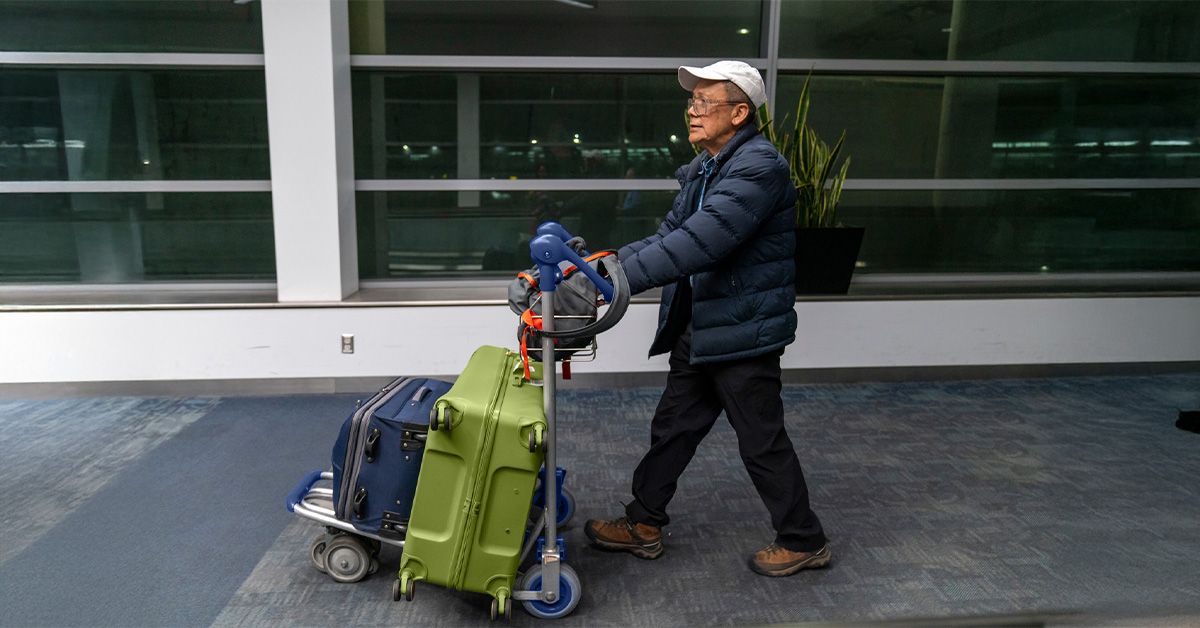
Traveling as an older adult can be rewarding and fulfilling. Following certain tips can help older adults stay safe, well, and comfortable during their travels.
For many adults, after retirement is the prime time for travel. According to the 2021 National Poll on Healthy Aging, about one-third of respondents ages 50 to 80 years had plans for extended travel in the following year. This represented an increase from the previous year’s numbers.
Many older adults believe that travel can improve their physical and mental well-being. Indeed, travel can build social connections, empower people, and produce lasting memories.
While preparation is important for travelers of any age, older adults (typically considered to be those ages 65 years and over) may have unique considerations. Preparation can help a person avoid surprises and plan for contingencies that may arise during their travels.
The following are some travel tips for older adults. Many of these principles apply to both brief domestic getaways and extended trips abroad.
During this visit, the healthcare professional may do an assessment to determine whether there are any current health concerns that may affect travel.
If a person has a chronic health condition or weakened immune system, a doctor may recommend taking extra steps to protect against illness, particularly in crowded areas or during travel. These steps could include wearing a mask, regularly applying hand sanitizer, and cleaning surfaces with disinfectant wipes.
People at risk of blood clots may need to get up and walk periodically to disrupt long periods of sitting, such as on planes.
Mobility can be an issue for older adults, but it does not mean the end of travel. It may just mean a little extra preparation.
If a person has accessibility requirements, they should try to account for them when booking accommodations and transportation.
Look for a hotel or rental that offers a supportive environment for older adults, such as one with elevators and wheelchair accessibility, or ground-floor accommodation. Online reviews can offer insight, but if there is any doubt, it may help to reach out to the establishment directly and inquire.
It may also help to research what transportation options will be available at the destination and whether those options will meet a person’s needs.
When a person is visiting a new place or a “bucket list” destination, they may have an urge to treat their calendar like a game of Tetris and fill up every hour. However, packing too many activities into a tight window can make a trip feel exhausting and overwhelming, which can detract from the overall experience.
Older adults may benefit from balancing their desire to “do it all” with the necessity of rest and relaxation. Adequate recovery can help reduce fatigue and, potentially, prevent illness.
Consider planning a bit of downtime into each day, including a rest day after traveling or a particularly tiring excursion. Flexibility in the schedule means a person can listen to their body and take rest when needed.
Older adults are
Additionally, during a full day of activity, a person may be too distracted to drink, have less access to water sources, or feel the effects of exertion.
Travelers should make an effort to prepare accordingly by carrying water and drinking regularly.
Certain regions may present specific safety or health concerns for travelers. It is worth understanding and preparing for these concerns where possible.
Before leaving, ask a doctor whether there are any health risks associated with the destination. Are any vaccines necessary? Are there prevalent diseases to account for?
The Department of State provides travel advisories for United States citizens who are going abroad. These advisories can offer potentially useful information and suggest when to use extra caution.
Older adults can stay well and comfortable while traveling with a bit of extra preparation.
They should consider their accessibility needs when booking accommodations and transportation, consult a healthcare professional before leaving, and take time to understand the health and safety risks of their destination.