
Treasury chief Danny Alexander 'paid home sale taxes'
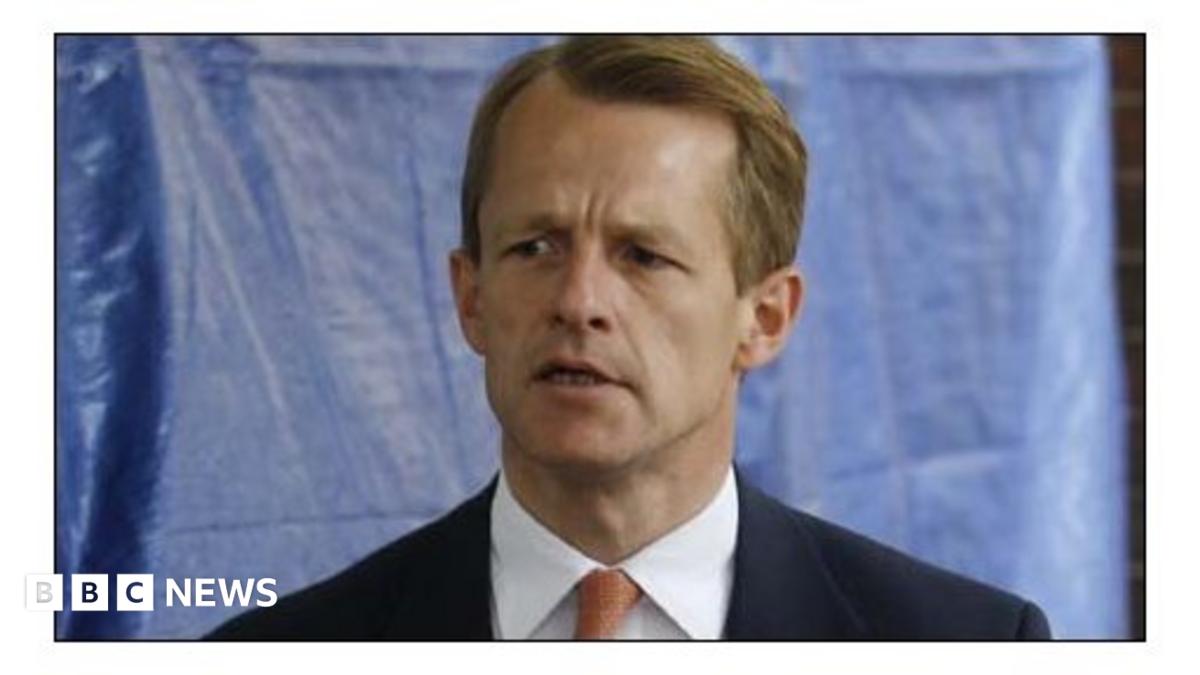
Chief Secretary to the Treasury Danny Alexander has said he paid all taxes due after selling his second home.
The Daily Telegraph reported that Mr Alexander avoided paying Capital Gains Tax (CGT) by describing a flat in London as his main home to Revenue and Customs, while living mostly in Scotland.
Tax rules say that people with two homes are not liable for CGT if they sell the main home within three years.
The former Scottish Secretary was promoted in the coalition government on Saturday after the resignation of fellow Lib Dem David Laws.
The Telegraph said Mr Alexander designated the property in south London as his second home for the purpose of claiming parliamentary expenses but described it to HM Revenue and Customs (HMRC) as his main home.
He sold it in 2007 and now owns another flat in London, in addition to his constituency home. Mr Alexander said he would pay CGT "if the time comes" for him to sell that one.
He said he bought the first London flat in 1999 with his wife, then sold it in 2007.
"Until the spring of 2006 this was the only property we owned," he said in a statement.
"I had rented a place in Aviemore until then, we subsequently bought a place there and moved into it.
"I have always listed London as my second home on the basis set out in the parliamentary rules as I spent more time in Scotland than I did in London."
On selling the flat in 2007, he said he "was advised that CGT was not payable because of the operation of final period relief, which exempts homes from CGT for 36 months after they stop being the main home".
He added: "I have already publicly declared that I will pay Capital Gains Tax if the time comes for me to sell my second home."
HMRC rules state that the final three years always qualify for relief from CGT - even if the person was not living at the property - as long as it has been their only or main home at some point during the time they owned it.