
Trump Administration to Invest $17.5 Billion in Large-Scale Nuclear Power Projects
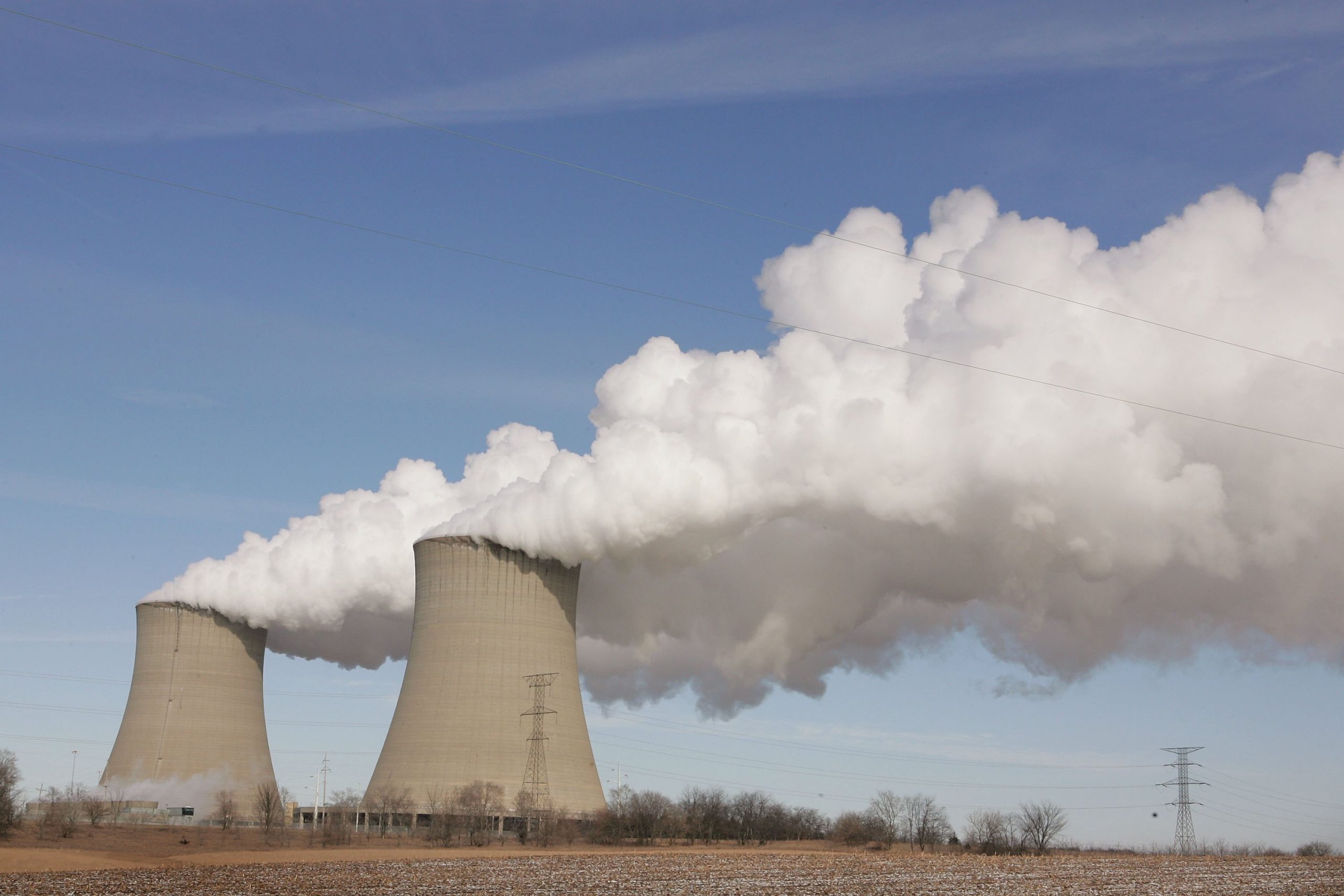
The Trump administration's Energy Department will issue loans worth a total of $17.5 billion to help fund 10 new nuclear power reactors nationwide, administration officials announced on Tuesday. The loans, provided by the agency's Office of Energy Dominance Financing, will back the construction of reactors manufactured by the American nuclear power firm Westinghouse.
According to the Energy Department, seven utility companies have entered into letters of intent with Westinghouse, but the agency will select just five that will ultimately receive funding to construct two reactors each. Energy Secretary Chris Wright told reporters, 'We want to get things moving again. We are doing everything we can at the Department of Energy to add dispatchable, reliable, secure energy to the United States, to lower electricity prices and power a reindustrialization of our country.' The process of selecting the five companies will involve a thorough review of their proposals, including their ability to meet the funding requirements and their plans for constructing and operating the reactors.
The move is a significant vote of confidence for an industry that has struggled to develop new projects in recent decades, due in part to longstanding public superstition and safety concerns going back to the 1980s. The Trump administration is confident that nuclear power is a viable power source for supporting the rapidly increasing power demand in the United States from artificial intelligence, data centers, and manufacturing. The Energy Department's decision to invest in nuclear power is also seen as a crucial step towards reducing the country's reliance on fossil fuels and mitigating the impacts of climate change.
The Energy Department loans will fund a single type of reactor, Westinghouse's AP1000 units. Each of the 10 reactors will generate 1.1 gigawatts of power, which is enough to power roughly a million homes. This means that Tuesday's announcement will kickstart projects that could power 10 million homes altogether. The timing of the projects remains undetermined, but the announcement is part of President Donald Trump's goal to begin construction of 10 new nuclear reactors by 2030. The construction of these reactors will not only provide a significant boost to the country's energy production but also create thousands of jobs and stimulate local economies.
For the five projects the Energy Department selects, Westinghouse and the selected energy company must invest $500 million each before they can access their loan funding. This is designed to ensure private commitment and protect taxpayer money. Westinghouse and their energy company partners will jointly own the projects. Greg Beard, the director of the Office of Energy Dominance Financing, told the Washington Free Beacon that the agency did not plan to take on an ownership stake in any of the projects. This approach will allow the private sector to take the lead in developing and operating the reactors, while the government provides the necessary funding and support.
Getting the projects online, however, figures to be an uphill battle. Just two reactors, both at the same plant in Georgia, have been licensed and constructed in the 21st century. They were also completed after substantial cost overruns and delays. Those reactors, however, were able to proceed with the help of Energy Department loans issued during the first Trump administration. Energy Secretary Chris Wright has taken steps to streamline the nuclear permitting process, which he previously said was 'so bureaucratic, so slow, and so difficult that it just killed the economics of new nuclear reactor development.' The Nuclear Regulatory Commission (NRC) is responsible for overseeing the construction and operation of nuclear reactors in the United States, and it has implemented various regulations and guidelines to ensure the safe and efficient operation of these facilities.
Overall, energy demand in the United States is projected to skyrocket in the coming years, meaning the nation needs more power generation. Driven primarily by artificial intelligence and manufacturing growth, more new electricity will be required over the next decade than any other period in U.S. history, and electricity demand could increase by a staggering 50 percent by 2040, according to a S&P Global Commodity Insights study last year. The investment in nuclear power is seen as a crucial step towards meeting the country's energy needs and maintaining its position as a global leader in technology and innovation. The development of new nuclear reactors will also provide a significant boost to the country's energy security, reducing its reliance on imported fuels and enhancing its ability to meet its energy needs domestically.
Westinghouse CEO Dan Sumner said on Tuesday, 'America has always won when it thinks big and builds for the future. If we want to lead in artificial intelligence, advanced manufacturing, and the industries that will define the next century, we need more American baseload energy.' The investment in nuclear power is seen as a crucial step towards meeting the country's energy needs and maintaining its position as a global leader in technology and innovation. The development of new nuclear reactors will also provide a significant boost to the country's energy security, reducing its reliance on imported fuels and enhancing its ability to meet its energy needs domestically.
The announcement is also expected to have significant implications for American and Canadian readers, as the development of new nuclear reactors will provide a significant boost to the regional economy and enhance energy security. The investment in nuclear power will also provide a significant boost to the country's manufacturing sector, creating thousands of jobs and stimulating local economies. Furthermore, the development of new nuclear reactors will also provide a significant boost to the country's energy security, reducing its reliance on imported fuels and enhancing its ability to meet its energy needs domestically.