
UK to recruit citizens to decide if asylum seekers should stay
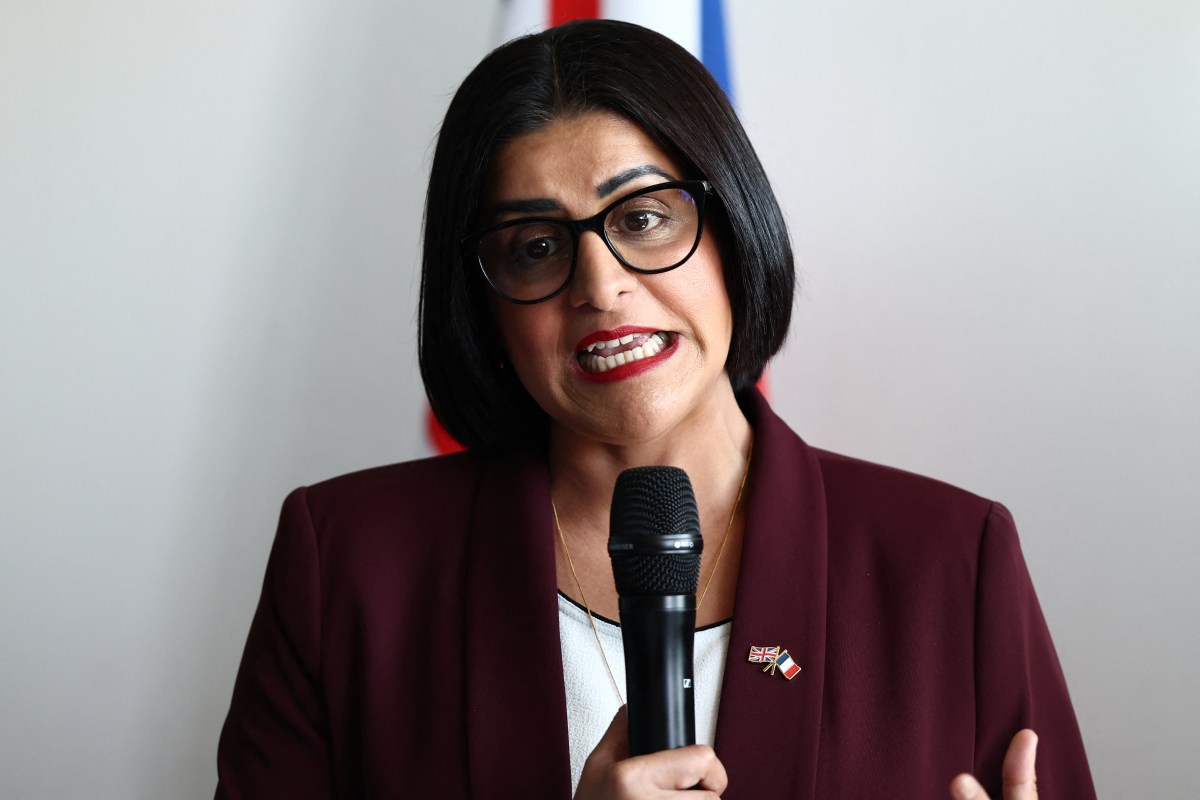
Members of the British public will be trained to decide asylum appeal cases under UK government plans to replace immigration judges as part of a new independent body in a major overhaul of the system aimed at speeding up decisions and removals.
U.K. Home Secretary Shabana Mahmood is expected to set out proposals for an Independent Immigration Appeals Authority (IIAA), which would hear appeals currently handled by the first-tier tribunal.
The reforms are due to be included in an Immigration and Asylum Bill, with the new body expected to begin hearing cases from late 2027. Ministers say the changes are intended to tackle a large backlog of appeals and reduce delays that currently leave many cases unresolved for more than a year.
Any widespread opposition to the reforms has so far been muted, as migration advocates wait to see the bill in full when it is published, in as soon as a week's time.
But a Labour Lord, Alf Dubs, who came to the UK aged six fleeing the Nazi persecution of Jews in 1939, has branded Mahmood's reforms as "performative cruelty" and called for her to be removed amid fears that the legislation might lead to human rights abuse.
The left-of-center Labour Government is under pressure from right-wing politicians to tackle what is described as the "illegal migration" of people arriving in the U.K. in small boats. The current Labour leadership also wants to pass the laws before it transitions to its new leader Andy Burnham, already perceived as more lenient by key figures, including U.S. President Donald Trump who called him "extremely liberal" during an Oval Office meeting.
Under Mahmood's proposals, members of the public outside the current legal system would be recruited to form the Independent Immigration Appeals Authority (IIAA). Mahmood's announcement is short on detail, but members of the public will have better access because she is intent on "broadening the eligibility of criteria for people to apply to become adjudicators" which will "result in a significant increase in capacity within the authority, leading to more decisions being made."
Mahmood is in effect adopting a change to the system which recruits magistrates in the U.K, in which members of the public are trained to run courts where initial hearings are held, and which decide on cases summarily, without a jury, or refer them to a higher court for jury trial. However magistrates are essentially volunteers, receiving expenses incurred for their time. In this respect, Mahmood's adjudicators would be different because they would be salaried.
The government release states: "The IIAA will be staffed by professionally trained and independently appointed adjudicators—much like a magistrate—who will have a broad range of skills and backgrounds, with safeguards to ensure high standards."
The average time to clear immigration and asylum appeals is 61 weeks, with more than 150,000 cases currently awaiting a hearing, according to the Home Office.
The Home Office referred Newsweek to a press statement when asked for comment, pending the release of further, embargoed details.
Mahmood said the existing system is "overwhelmed" and accused some applicants of "gaming the system" by lodging repeated appeals to delay removal.
"Our new appeals body will ensure claims are heard swiftly and fairly. Those with a legitimate claim will get their hearing. Those who have no right to remain in this country, and are abusing the system, will be swiftly removed," Mahmood said in the release.
But Dubs, while supporting the need for border control, told the left-leaning Guardian newspaper: "This control should also come with our commitment to basic rights, and compassion for those who are in time of greatest need. Not performative cruelty—like briefing the Home Office would start seizing refugees’ jewelry at the border. Or using incendiary language to blame refugees for ‘tearing our country apart'."
The bill comes on top of another proposed reform involving community sponsorship aimed at helping refugees. This would involve communities, charities, faith groups, employers, universities or other organizations identifying refugees abroad they would like to sponsor to go to the U.K. It is hoped this would mean refugees would be welcomed and better integrated into U.K. society with places to stay, jobs or study waiting for them.
But the new proposed Immigration and Asylum Bill would adopt more measures designed to prevent "illegal migrants taking up residency. These include:
Labour’s immigration agenda has faced criticism from across the political spectrum, with some opponents arguing the measures are too restrictive and risk undermining asylum protections, while others say they do not go far enough to deter irregular migration or speed removals.
The dispute comes as Prime Minister Keir Starmer announced his resignation following mounting political pressure, with Mayor of Manchester and former Labour Government minister Burnham, set to succeed him. Burnham has signaled support for tighter enforcement and faster processing of asylum claims, while also calling for policies that maintain public confidence in the system and avoid leaving applicants in prolonged uncertainty.
Labour is also facing pressure from far-right Reform UK, led by MP Nigel Farage, a political ally of President Donald Trump, which has sought to capitalize on public concern over migration and pushed for more stringent border controls and faster removals. The party’s rise has added to pressure on ministers to demonstrate tougher enforcement.
The Labour party is broadly sympathetic to the plight of refugees and their flight from conflict zones and human rights abuses, so Mahmood's reforms need to tread a fine line if she is to avoid withdrawal of support from lawmakers within her own party.
One voice Labour MPs might embrace is the Chief Executive of Safe Passage International, Jo Cobley.
She told the left-leaning Guardian newspaper: "We are very concerned about these changes, particularly the anticipated restrictions to family reunion for refugees. The unaccompanied children and families we work with, who have been torn apart by war and persecution, must be able to reunite as a family and get the protection they need.
"If the government wants to have more control of its own asylum system, by preventing Channel crossings, it must start by offering refugees safe routes to protection and family."