
Urgent care for chronic conditions: What type of care can I get?
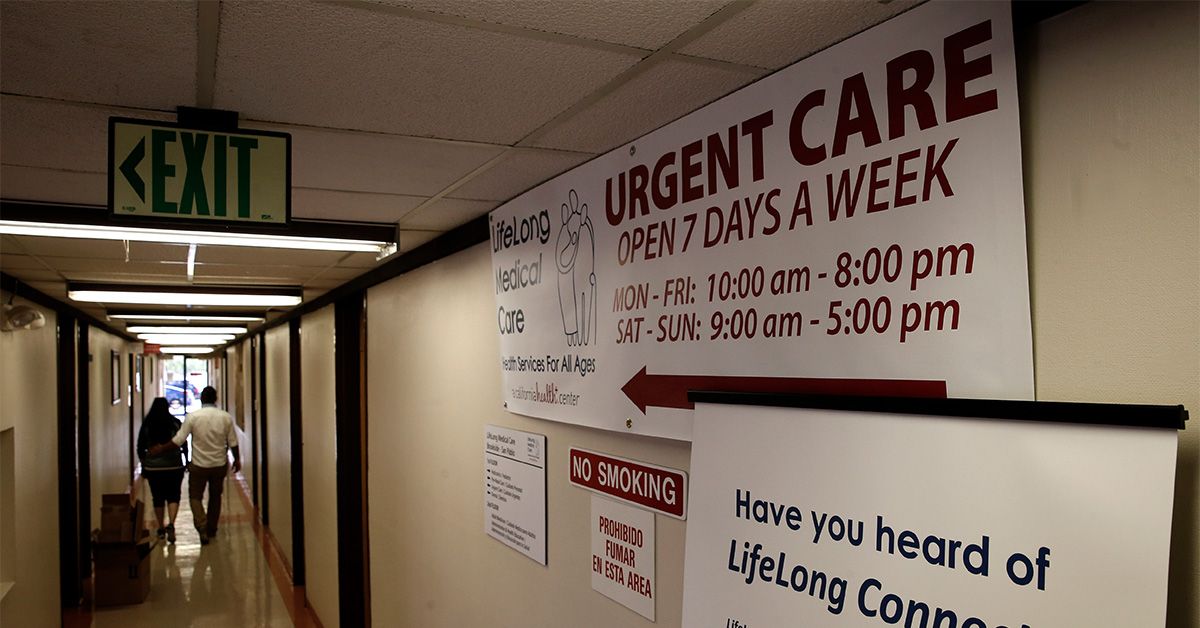
Urgent care centers can treat flare-ups of chronic conditions and new symptoms. However, a person’s primary care team is responsible for managing chronic conditions long term.
Around
People need consistent support from their primary healthcare team to manage these conditions and prevent complications. Seeing the same doctors or nurses regularly helps build trust and encourages honest conversations, which can lead to better health results.
Urgent care centers can help manage short-term issues related to chronic illnesses. If someone experiences a new symptom, a sudden flare-up, or needs a prescription refill, they can get help at an urgent care center on the same day.
This article explains when people with ongoing health conditions should visit urgent care and when it is better to schedule an appointment with their regular primary care team.
Sometimes, it is not possible to see a family doctor on the same day, and people might have to wait several weeks for an appointment. Urgent care centers have longer hours and are open evenings and weekends when regular doctors’ offices are usually closed. An urgent care center might be closer to a person’s home, making it easier and quicker to get care.
A person can walk into an urgent care center and see a healthcare professional fairly soon after arriving. People may think going to the emergency room (ER) is faster, but wait times can be much longer there.
Going to the ER is also usually more expensive, especially if a person’s condition is not life threatening. While insurance may require a higher copay for urgent care than a regular doctor’s office, it still costs less than visiting the ER.
People with chronic health conditions might suddenly experience a worsening of symptoms or new issues that need quick attention. While some family doctors offer same-day appointments, many do not, and health problems can occur outside of regular office hours.
Urgent care specialists can perform physical exams, order diagnostic tests, such as blood tests or X-rays, make a diagnosis, and prescribe the correct treatment. Sometimes, they may refer a person to another specialist or suggest a transfer to the ER.
After providing treatment, urgent care teams coordinate with a person’s regular doctor for any necessary follow-up care.
When people with ongoing health issues, such as high blood pressure or diabetes, need regular check-ups, it’s best if their primary care doctor or health team handles these visits.
If someone suddenly has new or worsening symptoms related to their condition, urgent care centers can perform the necessary tests quickly. The urgent care center staff will share the results with the person’s regular doctor and suggest that they follow up with them to discuss what the results mean.
Also, if someone has just been in the hospital or visited the emergency room, urgent care centers can monitor their condition when their regular doctor’s office is closed.
If someone is taking prescribed medication and suddenly runs out or feels unwell, healthcare professionals at urgent care centers can assist. Many urgent care centers have pharmacies on site or close by that can fill prescriptions.
Urgent care specialists can also advise on changing medications or adjusting doses if side effects occur. However, managing medication over the long term is something that regular family doctors or primary care doctors handle.
To connect with other people with your chronic condition, Healthline’s Bezzy offers an online space for community, peer, and expert guidance and support.
People with chronic conditions should schedule an appointment with their primary care team for the following reasons:
Knowing the location of the nearest urgent care center is helpful when a health issue arises suddenly. Keep the name, address, and contact number stored on a mobile phone or printed out and pinned somewhere you can easily find it.
Find out in advance if your nearest center accepts your insurance.
Some urgent care centers have an online booking system, which can reduce your wait time. Check their website or call ahead to see if appointments are available. The staff can also tell you when the center tends to get busy.
You need to take your insurance card when visiting an urgent care center so staff can verify your coverage and calculate your costs.
Copays for urgent care centers are similar or slightly higher than those for primary care settings, but much less than for ER visits.
The information on a person’s prescription medication bottle or box can be useful for urgent care center staff. Take your medications with you and note down other details on how you are managing your condition.
Urgent care staff do not have access to medical records, so there is often a lot of form-filling to do. If you’ll find this difficult, ask someone to go with you to help you fill out the forms.
Take information such as the contact details of your doctor’s office, a list of your medical diagnoses, and your vaccination history.
People usually have to make payments such as copays at the time of the appointment, so remember to take a bank card or a digital payment method. If you’d prefer to pay in cash, call ahead to make sure the center accepts it.
Primary care teams manage chronic conditions. This involves regular appointments, keeping track of health, and giving medications or treatments. Going to the same doctors and nurses over time helps build a relationship, which can lead to better health results.
When primary care is not available, urgent care centers offer a convenient and fast way to get the care a person needs to manage their condition. This includes managing new symptoms, sudden flare-ups, or adjustments to medications.
A person with a chronic condition should take their insurance information and any prescribed medications when visiting an urgent care center.