
us secretary of war pete hegseth blasts iranian regime as "pirates and terrorists" in pentagon briefing
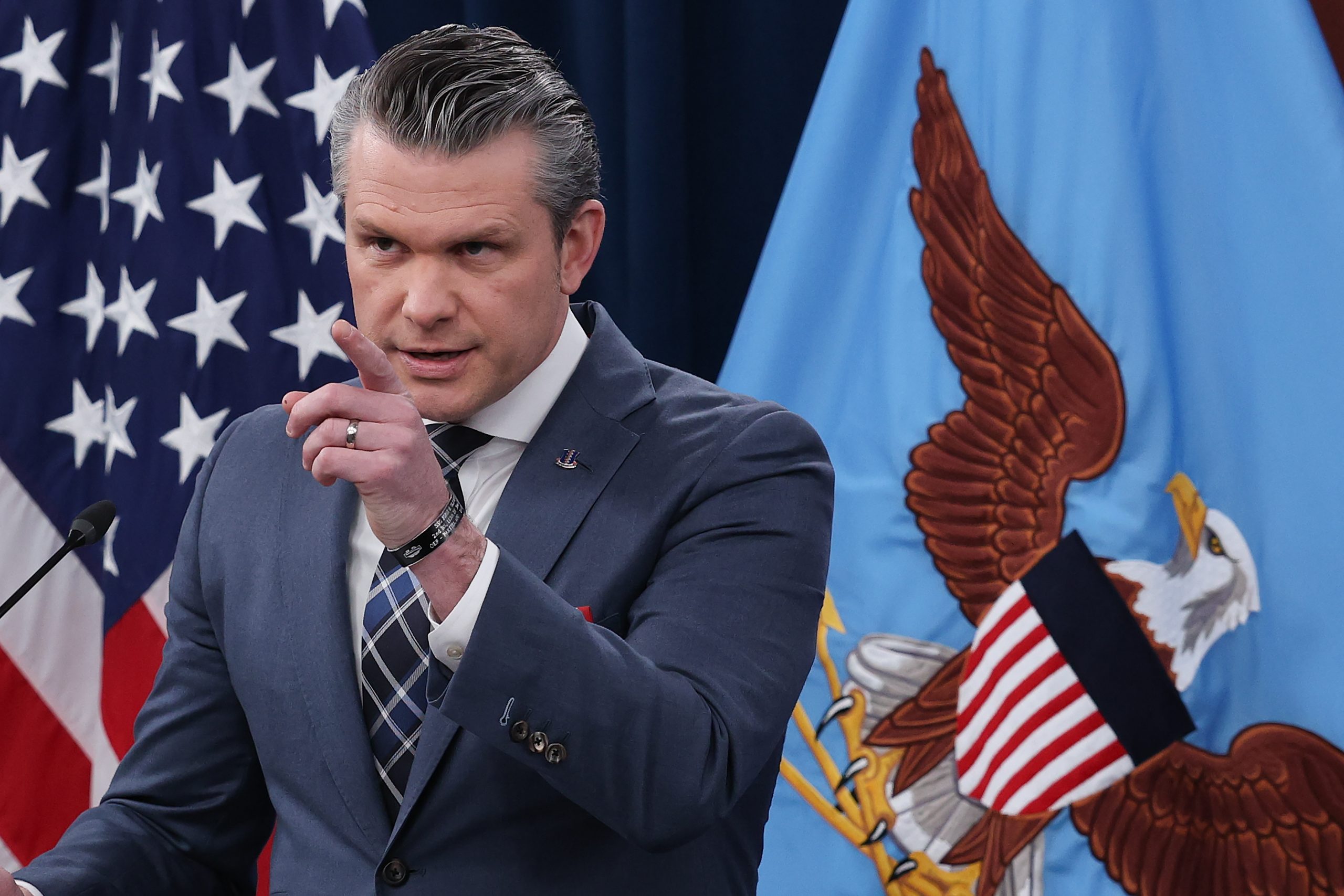
us secretary of war pete hegseth launched a scathing attack on the iranian regime, labeling them as "pirates and terrorists" and warning them against testing the us blockade in the persian gulf. in a thursday morning press briefing at the pentagon, hegseth stated that the us has a long track record of dealing with such entities and will maintain the successful blockade "for as long as it takes." he warned that if iran chooses to challenge the blockade, it will face a strong response, including "bombs dropping on infrastructure, power, and energy."
hegseth also took aim at the "legacy trump-hating press," accusing them of publishing an "endless stream of garbage" that seeks to undermine us warfighters. he recalled a recent church service where he listened to readings from the gospel of mark, drawing parallels between the pharisees who dismissed jesus' efforts to heal the sick and the press who he claims are motivated by a "politically motivated animus" against president trump. hegseth urged the press to "open your eyes to the goodness, the historic success of our troops, the courage of this president and this historic moment" and to recognize the achievements of the us military.
the us blockade, which began three days prior to the briefing, has the potential to deprive iran of billions of dollars in revenue generated from illicit oil sales to us adversaries like china. according to former treasury department official miad maleki, iran stands to lose around $435 million per day in "combined economic damage" across its imports and exports, or about $13 billion a month. chairman of the joint chiefs of staff gen. dan caine, speaking alongside hegseth, stated that the us military has successfully turned around 13 separate vessels that approached the blockade, with those ships making the "wise choice" of turning around.
gen. caine made clear that the blockade "applies to all ships, regardless of nationality, heading into or from iranian ports," but emphasized that it is "not a blockade of the strait of hormuz," like the one iran claims to be enforcing in competition with the united states. the us blockade allows ships that are not entering or leaving from iranian ports to traverse the gulf. caine noted that us forces have not needed to board any ships, though that remains a possibility if tehran's fleet attempts to penetrate the blockade in the coming days.
soon after the operations began, american forces began to hunt for potential interdictors, including at least "seven ships of interest" that were of concern. around two hours into the blockade, caine noted that "attempted blockade runners" tried to "hop the line," but were confronted by a "range of intelligence, surveillance, reconnaissance and tactical assets." us forces have turned around "multiple ships," with 12 remaining "inside the blockade line" and one that "turned around before even attempting" to breach the perimeter.
hegseth stated that us intelligence networks are actively monitoring iran's efforts to dig up missile launchers and other equipment during the ceasefire. "we know what military assets you are moving and where you are moving them to while you are digging out, which is exactly what you're doing, digging out of bombed-out and devastated facilities," he said. the united states is currently "reloading with more power than ever before and better intelligence," according to hegseth.
the us blockade and the tensions between the us and iran have significant implications for national security and the region. the us military's actions are aimed at crippling iran's energy trade and limiting its ability to support its nuclear program. the situation remains volatile, with the potential for escalation and further conflict. as the us continues to enforce the blockade, it is likely that the situation will remain a major point of contention between the us and iran, with significant implications for the region and the world.