
Warming seas are bringing octopus, red mullet and bream into UK waters, forcing fishers to rethink catches and chefs to learn Mediterranean species
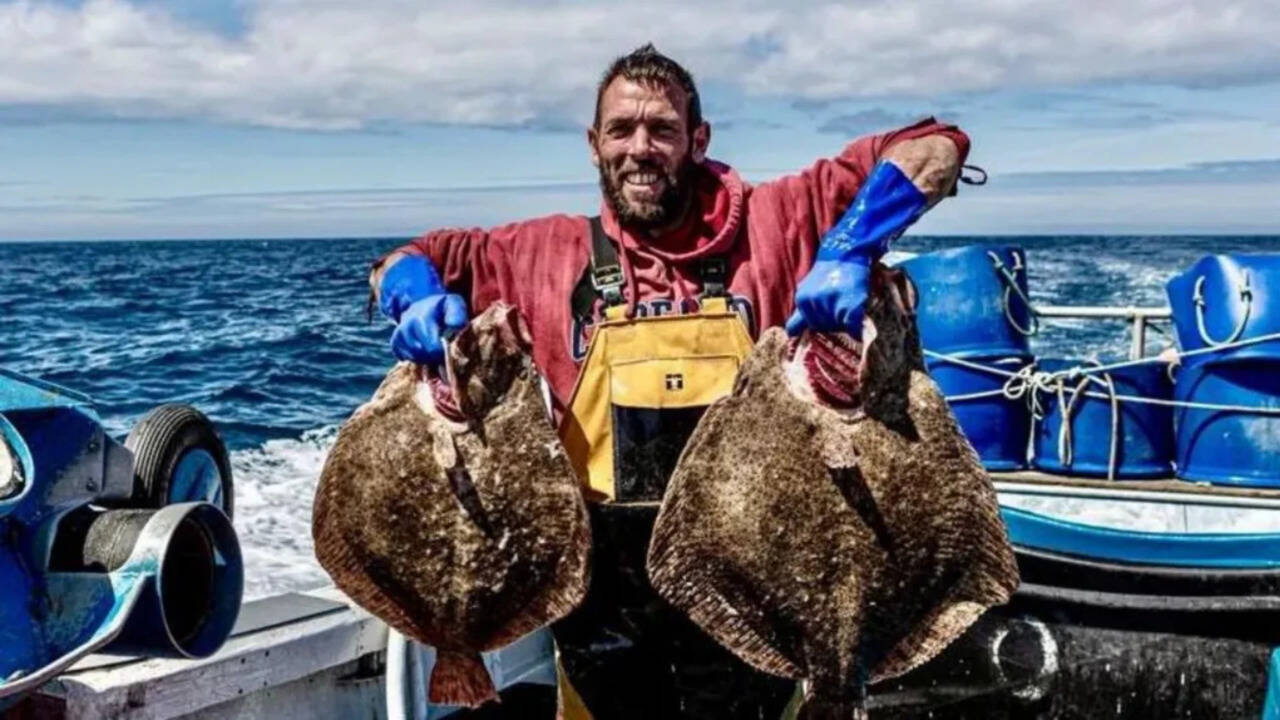
Warming sea temperatures are bringing Mediterranean marine species into British waters, forcing local fishers to change the way they work and encouraging chefs to rethink their menus.Species such as octopus, red mullet, and different kinds of bream are now appearing in record numbers along England's South West coast.
According to the Marine Biological Association, an ongoing octopus bloom has spread from the Mediterranean because of warmer seas, causing serious damage to native shellfish populations.This rapid change in marine life means traditional catches such as cod and mackerel are disappearing from the region, while warm-water predators and southern fish species are becoming more common.Shifts on the waterFor fishers in Cornwall, these changing catches mean they must completely rethink how they fish.
Buck Bennett, a crab and lobster fisher from Newquay, said he has seen more red mullet and different types of bream than ever before, showing that the industry is going through a lasting change."We've always caught red mullet but the numbers that have been poor over the last couple of years seems to be increasing massively," Bennett said."When you look into them they're a very Mediterranean fish, also black bream, gilt-head bream and couch's bream, yet again, something that we would catch but in very, very small numbers," he added.
"So I think the industry over the next three, five, seven, 10 years, anybody's guess, we could be fishing and having to change our fishing methods totally."Bennett said the South West was once the centre of Britain's mackerel fishery during the 1970s, but today, "nobody can catch a mackerel anymore."Instead, some local fishers have started targeting yellowfin tuna.
One local boat recently caught a 130kg tuna. Bennett believes the UK fishing fleet will eventually receive official tuna quotas as the species becomes more common in British waters.Adjusting to these changes comes with a major financial cost. Bennett is already wondering if a new warm-water crab species will arrive, making his current equipment useless.
Replacing his 600 to 700 traditional crab pots to suit new species could cost more than £100,000."I think every which way you look it's going to put strain on the industry, especially the industry here," Bennett said. "We're all really in a sort of unknown, nobody's been in this position before so nobody knows what's going to happen next week, or next month, or in six months time.
That's why it's so worrying, because you don't know if you can adapt or not, because you don't know what it is you've got to adapt to at the moment. All we can see is a lack, we can't see a gain, we can only see a lack."The cost of the octopus bloomThe growing octopus population is directly reducing supplies of other valuable seafood.
Ian Perkes, a fish merchant based in Brixham, said the large number of octopus is damaging local fish stocks because they eat between 6% and 8% of their body weight every day.Perkes estimates that octopus are eating around 10,000kg of local shellfish every day, and they have recently begun feeding on cuttlefish as well."These fish lay 180,000 eggs, they only live to maybe two years old but you only need one per cent of those eggs to succeed," Perkes said.
"We're seeing not so many cuttlefish now, we're seeing no mackerel, no cod, no pollock, no squid - these are all species that we'd be looking to buy this time of the year but we're not seeing them."New ingredients on the menuThe changes in sea life are now reaching restaurant kitchens. Jamie Park, chef director of the Adam Handling Collection, depends on Bennett's daily catches and is already changing his menus to match what is now available from the sea.Park believes the famous Cornish crab could soon disappear from menus in southern England, forcing chefs to buy it from cooler waters around North Wales, Ireland, and the North Atlantic.
At the same time, restaurants in the south are likely to see more Mediterranean seafood.To respond to the immediate situation, Park recently added local octopus to the menu at the Tartan Fox pub near Newquay. This turned the environmental problem into a new dining experience for customers."I chose to feature octopus because of what's happening with the industry at the moment - it's here, it's in our waters and the fishermen are catching it," Park said."We've told customers they're an invasive species at the moment, they've sort of taken over the waters, they're eating all of the native species and they're disruptive for our local fishermen and it's causing problems," he said.
"We almost make the guests a part of a solution, we say 'come eat more octopus, you're doing everyone a favour at the end of the day'."The long-term outlook means British chefs will need to learn how to prepare many unfamiliar seafood species."I'll have to get the Mediterranean encyclopaedia of fish out to start understanding the newer species," Park said.
"For as long as I can get these ingredients that we love in a responsible way, and in a sustainable way, through small, independent fishermen, then will continue to serve it, but if Buck calls me tomorrow and says we can't do it anymore because of X-reason, then we'll adapt and we'll move with the times."