
Warning lights: UK services suffer worst shock since January 2023
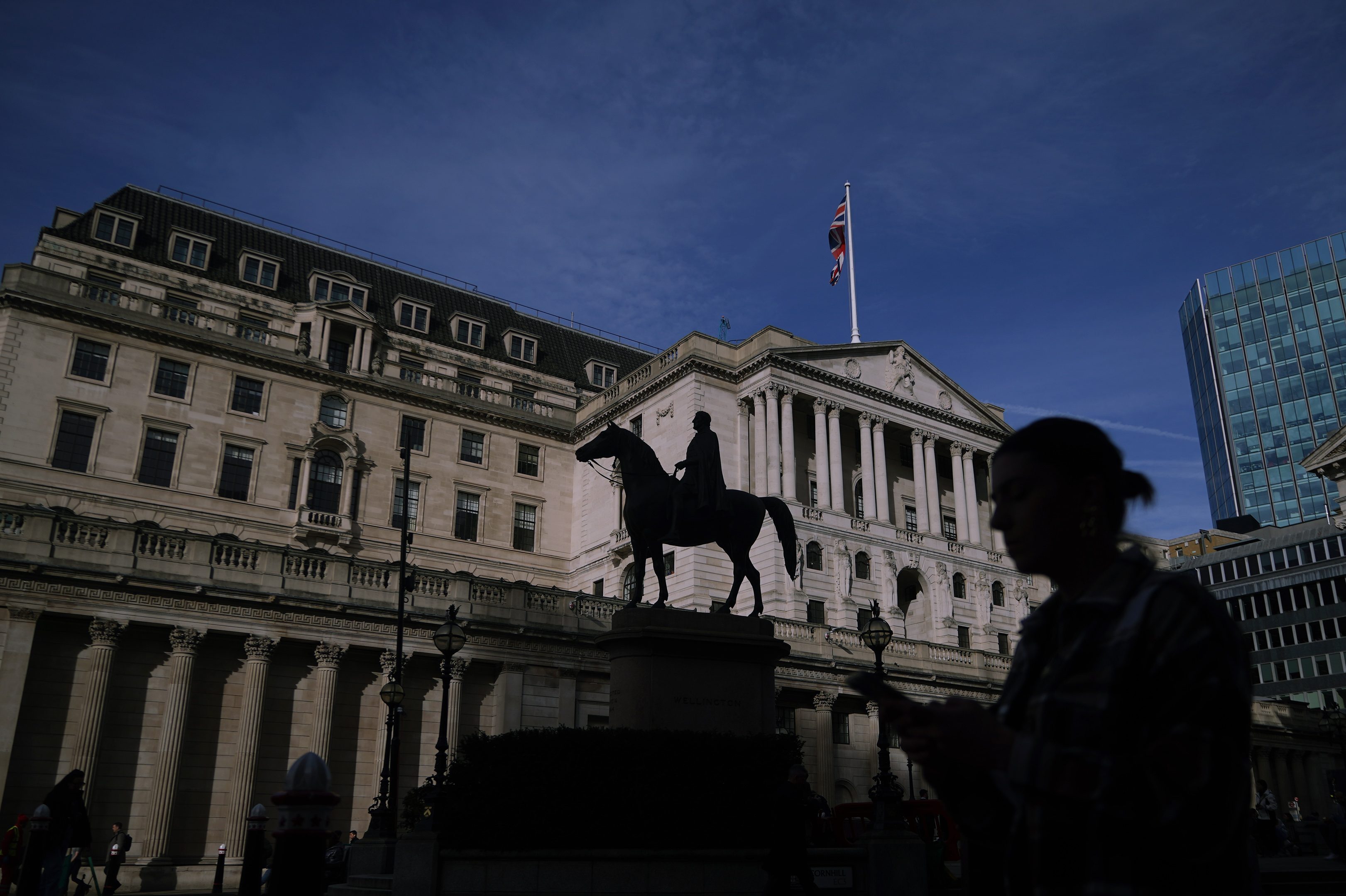
Business activity across the UK economy is at a 14-month low, research has suggested, as growth has taken a toll from Labour’s political woes and the impact of the continued trade disruption.
The initial estimate for S&P Global’s purchasing managers’ index (PMI) dropped to a score of 49.4 in June, falling further below the neutral 50 benchmark.
It is the second month in a row where private sector activity has declined, according to researchers, as businesses reported a sharper decline in headcounts across the services sector.
The services sector drove the downturn in activity as lower customer confidence and rising costs hit businesses, which blamed the effects of international trade disruptions and turmoil in Westminster.
The PMI reading for the services sector was at its lowest point since January 2023.
The manufacturing industry offset some of the damage across services as producers’ output reached a 21-month high. Manufacturers also continued to report moderate growth as well as a slight uptick in job numbers in the survey of around 1,300 firms.
Higher production levels came as a result of “strategic stockpiling”, according to research.
Chris Williamson, chief business economist at S&P Global, said a contraction in activity across the private sector had led to employment falling.
“Price pressures remain elevated as companies point to the energy shock and supply squeeze from the war in the Middle East as exacerbating existing cost pressures from government policies,” Williamson said.
“While current weakness is focused on consumer-facing services, an offsetting expansion of the manufacturing sector could soon falter, as demand here is being temporarily buoyed by the building of safety stocks amid ongoing warrelated supply worries.”
S&P Global researchers said price pressures had eased slightly since a spike in inflation over the two previous months, though businesses were set to suffer from the shock.
Thomas Pugh, chief economist at leading audit, tax and consulting firm RSM UK said the weakening in the UK economy could worsen if there is “speculation about the direction of fiscal policy in the coming months”.
“We doubt growth will pick up much through the rest of the year,” Pugh said.
“For the Bank of England, even with a peace accord in the Middle East that has prompted energy prices to fall back, as seen in the weaker input price balance, business surveys and producer price index data still suggest that there is already a wave of inflation working its way through supply chains in the coming months.
“That means we reiterate our call for the Bank to keep rates on hold next month and throughout the rest of the year before resuming cuts in 2027.”
Shadow business secretary Andrew Griffith said weaker confidence was “no surprise” given ongoing political warfare in the Labour Party.
“The kindest thing that can be said is that the bar has been set low for the next Prime Minister and Chancellor,” Griffith said.