
What America's $40 trillion debt means for your wallet
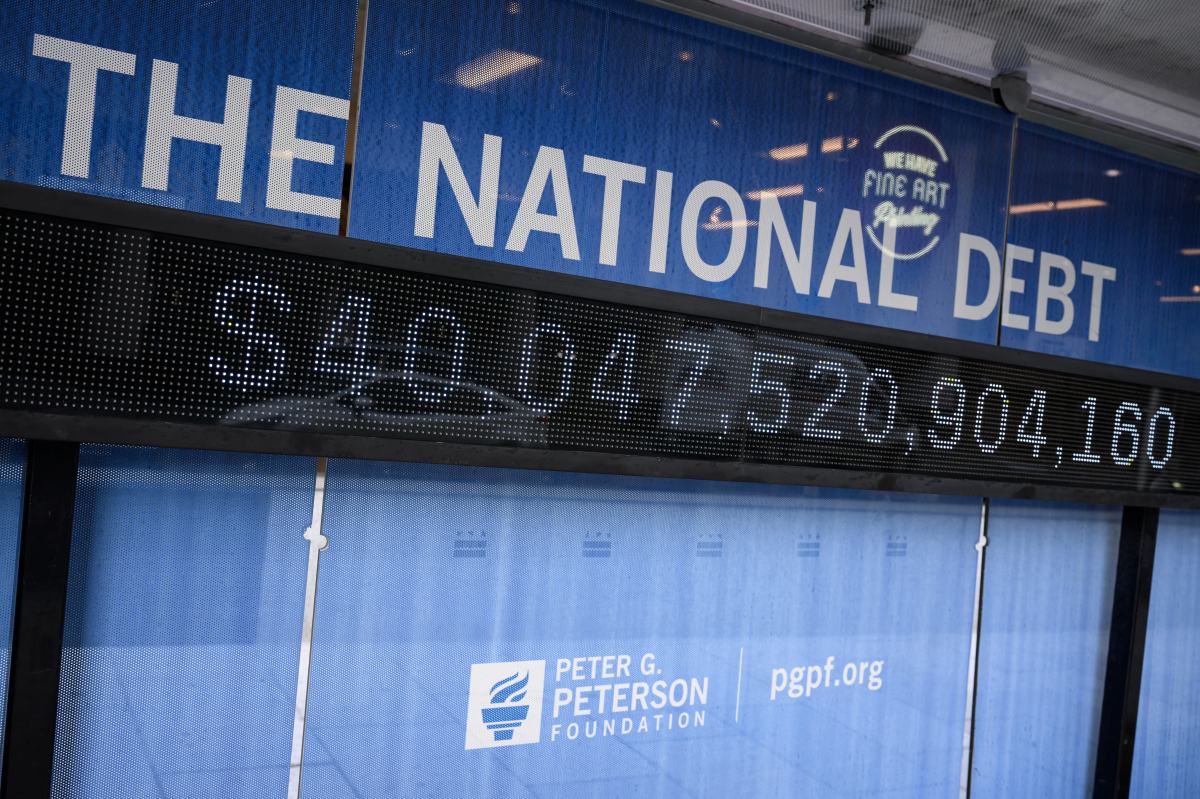
The Treasury Department this week confirmed that the national debt had crossed the $40 trillion milestone, having doubled over the past decade and risen from under $6 trillion at the beginning of the century.
Treasury Secretary Scott Bessent said that there was “nothing magic” about the $40 trillion figure itself—a sentiment shared by many economists when it comes to the nation’s debt. But others are warning that the increasing interest costs and the threat of austerity measures this could lead to will make a significant difference for American households.
“$40 trillion of debt doesn’t exist solely on the government’s ledgers; it is felt throughout the economy and finds its way to the pocketbooks of people one way or another,” Maya MacGuineas, president of the Committee for a Responsible Federal Budget, said in a statement this week. “The more we borrow, the more we exacerbate inflation, squeeze out other priorities in the budget, and leave ourselves vulnerable to emergencies at home and turmoil abroad.”
Mariana Trujillo, managing director for government finance at the Reason Foundation, a libertarian nonprofit, told Newsweek, “The national debt has repeatedly reached milestones, such as $40 trillion, ahead of our best projections.
“The concern is not only that the debt is huge, but that we continue to add to it at an accelerating pace.”
According to the latest monthly Treasury Statement, net interest on the debt has cost the government over $900 billion in the first 10 months of the current fiscal year—more than was spent on health care or national defense—a figure expected to double over the next decade.
Servicing the debt is financed through tax revenue—amounting to hundreds of dollars per household each month and driving resources away from other fiscal priorities. Should the debt continue to grow and Congress hope to address it, this could also result in tax raises, government spending cuts or both.
As noted in a recent report from the Conference Board, “rising debt affects the cost of borrowing, economic opportunity, and financial security for Americans of all ages.”
The research firm said that the government is expected to spend over $1 trillion on debt interest in the current fiscal year, that debt could reach 154 percent of gross domestic product (GDP) by 2036 at current rates and 180 percent of GDP under a higher-deficit scenario.
Given the impact of growing debt on interest rates, it argued that the government paring down or continuing to grow the national debt could have significant consequences for borrowers in the U.S. A family buying a $600,000 home with a 30-year fixed-rate mortgage and a 20 percent down payment could save more than $100,000 over the life of the mortgage, researchers said, whereas an “extreme interest rate shock scenario” would result in payments being $182,000 higher than the baseline.
“When you borrow, you compete with the federal government for capital. An ever-growing national debt puts upward pressure on interest rates and can make mortgages, car loans, and business loans more expensive for everyone,” said Trujillo.
She said that the national debt puts pressure on taxes and spending at the federal and local level, and added that "if rising interest costs force Washington to reduce aid to states and cities, they may have to make up the difference through higher income, sales, or property taxes—or cut services."
Among G7 nations, only Japan carries a higher debt-to-GDP ratio than the United States. IMF data show America's debt burden exceeds those of Germany, Canada, the United Kingdom and France, underscoring why federal borrowing has become a growing concern for fiscal watchdogs and financial markets.
Despite the failure of earlier efforts to cut federal spending and trim deficits, officials remain confident that the U.S. can escape a fiscal crisis triggered by the national debt.
Responding to a question on the national debt’s recent increase, White House Spokesman Kush Desai told Newsweek earlier this week that the administration was “focused on slashing waste, fraud, and abuse in federal spending while accelerating economic growth to get America’s debt-to-GDP ratio trending in the right direction again.”
“As the President’s supply-side economic agenda continues to cool inflation and pave the road for interest rate cuts by the Fed, the markets and everyday Americans can count on more relief ahead,” he added.
The Treasury secretary said this week that tariff refunds were a significant but temporary drain on government finances. The government has now returned the majority of the $166 billion importers paid in Donald Trump’s emergency tariffs, which were struck down by the Supreme Court in February.
The Supreme Court's ruling against key Trump-era tariffs has complicated federal revenue forecasts. The Congressional Budget Office estimated that the loss of those tariffs could increase projected deficits by roughly $2 trillion over the next decade if not fully replaced, while warning that alternative tariff measures are expected to generate less revenue than the duties struck down by the Court.
Speaking to reporters this week, Bessent said that the U.S could return to “the same level if not higher of tariff income for last year.”
Bessent earlier told CNBC that the U.S. could “grow our way out of” the problem, while JD Vance told Newsmax he believed the Treasury secretary had a “very discreet plan” to address the national debt.
“Even though we inherited this debt bomb from the Biden administration, we actually do have a plan to get the economy growing faster than the debt and that’s the most important thing,” the vice president said.