
What are biologics? Types, uses, benefits, and cost
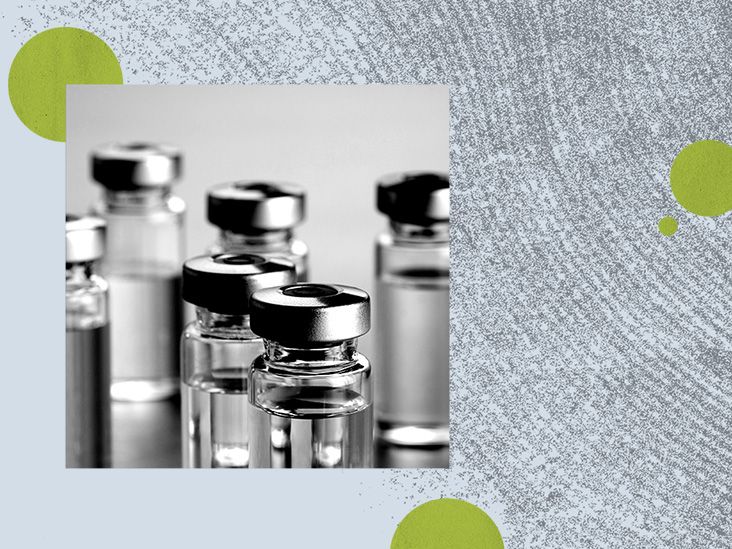
Biologic drugs have improved how doctors treat serious illnesses. Instead of being made from chemicals, biologics are made from organic materials and grown in living cells.
Biologic drugs are used widely across all fields of medicine since their introduction in the 1980s. They now represent nearly half the spending on prescription drugs in the United States.
This article will explain what biologics are and their uses. It also explores the major types of biologics, their life changing benefits, and why they cost more than traditional drugs.
Biologics, also known as biopharmaceuticals, are medications made from biological materials, such as proteins, sugars, and genetic materials from humans, animals, or microorganisms.
Biologics can often treat diseases
Many biologics are referred to as targeted therapies because they seek out and block specific parts of the body’s immune system or certain proteins that cause disease.
For example, in inflammatory conditions like arthritis, biologics can mimic the body’s natural substances that “switch off” the proteins that fuel inflammation.
Traditional medications, such as ibuprofen or aspirin, are known as “small molecule” drugs. They are made by mixing chemicals in a laboratory according to a specific recipe, which makes them easy to copy exactly as generic versions. Biologics are grown rather than manufactured. They are made of various substances, such as proteins and sugars, and this makes them “large molecule” drugs.
Most traditional drugs come in pill form, but biologics cannot go through the digestive tract. If taken as a pill, the harsh acids in the stomach would destroy the large protein molecules before they could work. Therefore, biologics must be given via self-injection or intravenous (IV) infusion to enter the bloodstream directly.
Doctors use biologics to treat a wide range of conditions, from autoimmune diseases to various types of cancer.
Monoclonal antibodies are engineered proteins designed to mimic the substances your immune system naturally makes to fight off threats. They are designed to block particular proteins that cause inflammation or to target cancer cells for destruction.
Monoclonal antibodies make up the largest group of new biologic drugs. They treat conditions like rheumatoid arthritis, Crohn’s disease, and various cancers.
Vaccines are among the most powerful and cost-effective biologics, saving an estimated
While some vaccines are traditional (using weakened or killed pathogens), newer versions like the mRNA vaccines for COVID-19 deliver genetic instructions that prompt a person’s cells to produce an “antigen” to train their immune system.
Gene therapy involves delivering functional genes into a patient’s cells to treat genetic disorders. Cell therapy, such as CAR-T cell therapy, involves taking a patient’s own immune cells, genetically engineering them in a lab to better recognize cancer, and then infusing them back into the patient.
Scientists create recombinant proteins by inserting a specific gene into a host cell, such as bacteria or yeast, which then acts as a factory to produce a specific protein. Examples include insulin for treating diabetes and growth factors used to treat blood disorders or help patients having chemotherapy.
For many people with chronic or life threatening illnesses, biologics are life changing. They can slow or even stop the progression of diseases that were previously difficult to treat.
However, there are risks. Because they suppress specific parts of the immune system, biologics can increase the risk of serious infections and certain cancers.
Patients may need regular screening and blood tests to monitor for these side effects. Some people may also develop an allergic reaction to the drug or find that a biologic works well at first but then stops working over time as the body develops antibodies against it.
A biosimilar is a biological product that is almost identical to an existing brand-name biologic. It cannot be truly identical because biologics are grown in living cells.
Biosimilars provide more options for patients and increase competition, which can help lower the overall cost of treatment. However, only 19% of biologics without a patent have a biosimilar version available.
In some cases, a biosimilar is labeled as “interchangeable,” meaning a pharmacist may be able to substitute it for the brand-name version without a new prescription from a doctor.
Biologics are expensive. For example, CAR-T cell therapies have list prices of
Due to these costs, insurance companies often determine which biologic a patient can access. They may require a patient to try less expensive drugs first before approving a biologic.
Scientists produce biologics using cutting-edge biotechnology, which often costs more than traditional manufacturing methods. Biotechnology involves using living cells as tiny factories to “grow” the medicine.
Because living cells are involved, microbial contamination is a high risk, so manufacturers must keep everything sterile throughout the manufacturing process. Every batch must be tested extensively to ensure it is consistent with previous batches.
Biologics are also sensitive to heat and must be refrigerated at every stage of manufacturing and transportation to prevent breakdown. These factors combine to make biologics more expensive to produce than traditional drugs.
If a doctor has recommended a biologic drug, you may want to learn as much as you can about it before deciding whether it is right for you.
Biologic drugs are medications grown in a lab from organic materials. They can help target serious diseases, such as cancer and arthritis.
A person receives a biologic drug via an injection or IV infusion, so it enters the bloodstream directly.
Biologics are more difficult to manufacture than traditional pills, which makes them more expensive. An insurer may suggest using a biosimilar drug instead to reduce costs.