
Why China may not supply J-35 stealth fighters to Pakistan anytime soon - The Times of India
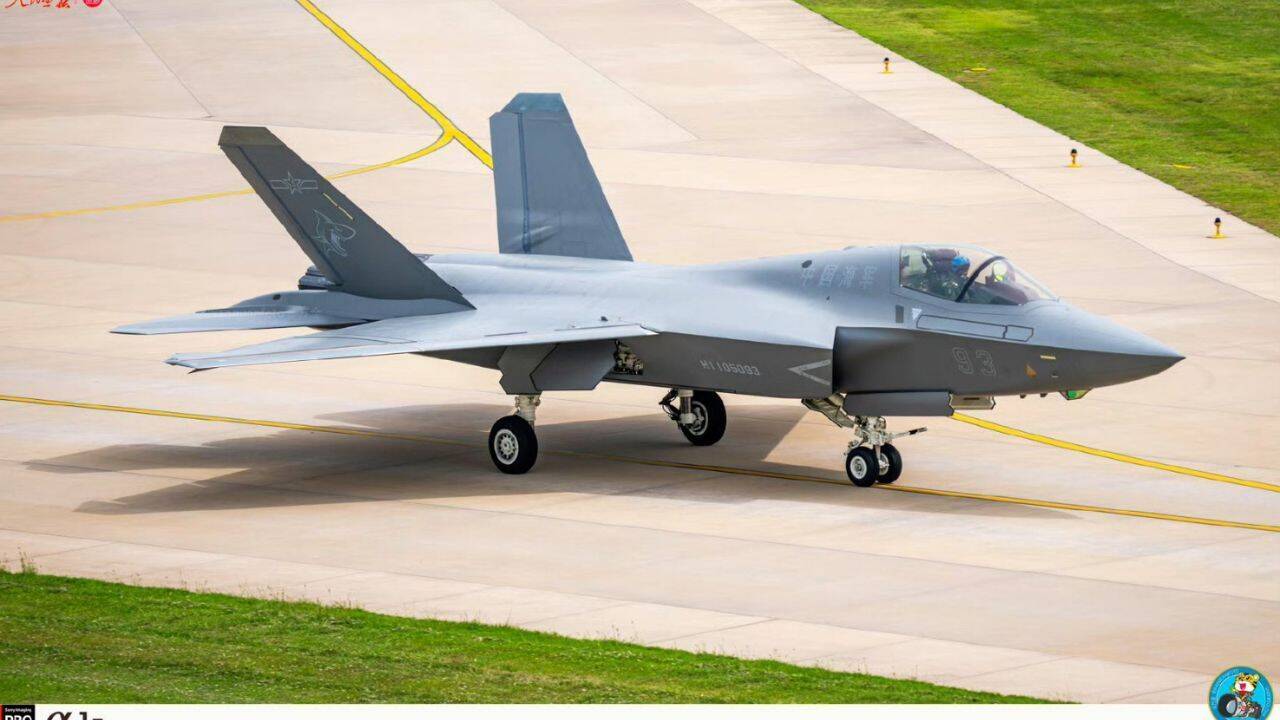
China's reported plans to supply its fifth-generation J-35 stealth fighter to Pakistan have remained the subject of speculation for months, with neither Beijing nor Islamabad officially confirming a deal.In a piece published by The Diplomat, Yang Xiaotong, an assistant researcher at an independent Beijing think tank focused on China-Middle East and North Africa, argues that China is unlikely to approve the transfer of J-35 fighter anytime soon to Pakistan.According to Yang, one of the key reasons is the potential impact such a sale could have on South Asia's military balance.
Neither India nor Pakistan currently operates a fifth-generation fighter in frontline service. The induction of around 40 J-35s into the Pakistan Air Force, he argues, could significantly alter the regional air power equation and increase strategic uncertainty.Yang argues that Beijing has little incentive to provide Islamabad with a decisive technological advantage that could encourage greater military risk-taking.
A sizeable fleet of stealth fighters, could be used by Pakistan during future crises, increasing the risk of escalation between two nuclear-armed neighbours.Yang argues that Beijing has little incentive to provide Islamabad with a decisive technological advantage that could encourage greater military risk-taking.Beijing's immediate strategic focus remains the Western Pacific, where it continues to prepare for potential contingencies involving the United States and its allies.
Avoiding instability in South Asia allows China to concentrate military resources on its primary security priorities.Yang also highlights PLA own operational requirements, with both China's navy and air force both started inducting J-35 in their service.As China expands its fifth-generation fighter fleet, domestic induction remains the priority.
Diverting dozens of aircraft for export at this stage would compete directly with the PLA's modernisation programme.Technology security is another major consideration. Unlike previous Chinese fighter exports such as the J-10CE, the J-35 incorporates some of China's most advanced stealth, sensor and avionics technologies.
Yang argues that core characteristics such as its low-observable design, flight performance and sensor architecture would remain valuable from an intelligence perspective.While Yang believes an early transfer to Pakistan is unlikely, he does not rule out future exports. For now, Beijing appears focused on equipping its own armed forces, safeguarding its most advanced military technologies and maintaining regional stability.