
Young people 'leaving Guernsey due to social isolation'
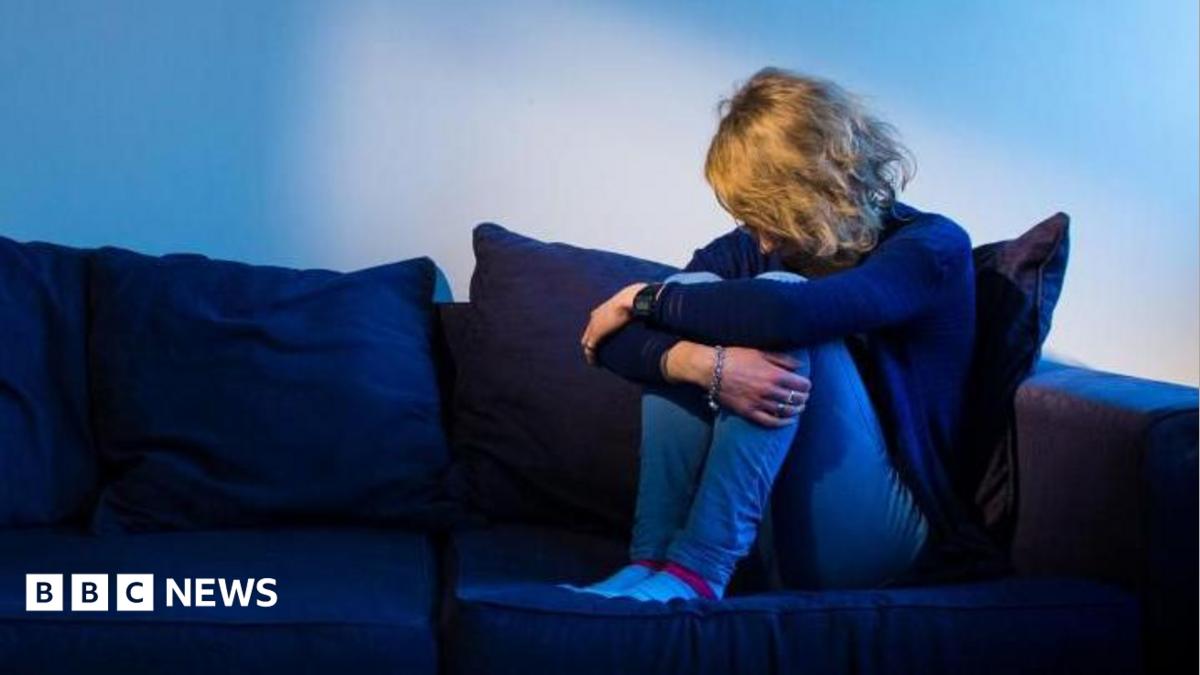
A new social group in Guernsey is working to address young people leaving the island due to loneliness, members say.
Inclusive Islanders holds meet-ups for young people. Some of its members said they believed social isolation was contributing to the island's "brain drain", with people moving away for better employment and social opportunities.
A 2025 Guernsey Quality of life report, using figures from a 2003 survey, said 43% of 16 to 24-year-olds were socially lonely.
Charlie Roberts, 22 and studying online at Open University, is a member of the group and believed a "deadly cocktail" of social and financial issues lead to young people leaving.
He said it was "hard" for young people to be socially successful in Guernsey due to it being "expensive to even go out for a meal" and there being "a lack of political will to cater to the desires" of its youth population.
He said: "The island is geared towards older people because it has an ageing population."
When visiting friends at university in the UK, he said being around people his age was a "novel experience".
He added that, after speaking to people in similar situations, "it's so obvious that it's something that's so needed".
The report stated that 28.4% of young people were intensely emotionally lonely.
Roberts said he was "not at all surprised" by the figure, and believed "they're probably higher now after Covid".
"That tracks with my experience and a lot of my friends", he said.
Jim Roberts, chief executive of the Guernsey Community Foundation, which compiled the report, said the statistics were "disturbing" and agreed they had likely "only got worse" since an initial survey was conducted in 2003.
Jim Roberts, of the Guernsey Community Foundation, says leaving and returning to Guernsey can be a "dislocating experience"
Jim Roberts said there were "a lot less societies and community groups" in Guernsey, making it hard for "young people to connect".
However, he said he believed "30 years ago, you'd have said invest in more youth clubs... [but] young people don't seem drawn towards that particular model anymore."
Youth loneliness on the island was a "profound modern condition" with few "quick and easy fixes", he said.
The report showed that one in five young people in Guernsey found it difficult "to be their true self".
"In an island this small, it can be hard to find people that share your views or that have had similar experiences to you", he said.
Group member Robyn Surcombe, 21 and studying in Edinburgh, said there was a "kind of fear" for young islanders who moved away for university that they would "grow and change" before coming back to "little social choice".
She said she believed that, although the lack of social opportunities is "true", it was also "not impossible" for that to change.
"There's the space to take initiative," she said.
She added that the group could be "really important" as it could "so scary coming back to your own home and worrying it's going to be be lonely".
Surcombe said she did not plan on returning to Guernsey after university for "at least 10 years".
She said: "Leaving home and coming back, it feels like going backwards."
She said she had had "a bit of a change thinking about that" since becoming involved in Inclusive Islanders.
She added she was "excited to get more involved in the group" and that having it "there to come back to is a comforting thought".
If you have been affected by the issues in this article, help and support can be found at BBC Action Line.