
Zerodha CEO Nithin Kamath praises SEBI for proposed NRI investing rule change; says ‘one massive bottleneck’ still remains
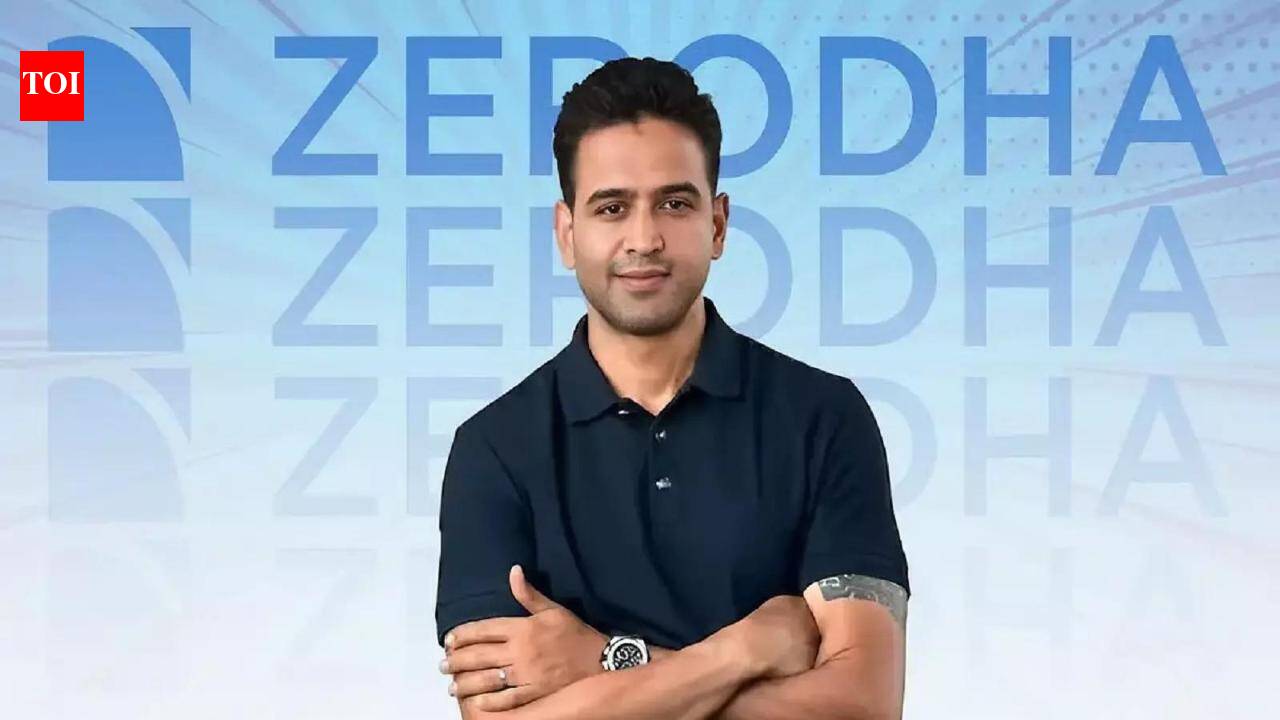
Zerodha founder and CEO Nithin Kamath recently praised SEBI for proposing a fully digital onboarding process for NRIs, without needing them to be physically present in India. “Kudos to SEBI for this pragmatic move,” Kamath wrote in an X (formerly Twitter) post. He said that the move could remove a major hurdle for overseas Indians looking to invest in Indian markets.
However, Nithin Kamath said that the biggest remaining problem for NRI investors has been onboarding, particularly the paperwork and courier delays involved when applicants are living abroad.“But one massive bottleneck has remained: onboarding,” Kamath wrote in the X. “Even today, to open an account digitally, an NRI has to be physically in India.
If they are abroad, there's a ton of physical documentation involved and dealing with international courier delays. It has always been the most painful part of the journey,” he said.Nithin Kamath stated that SEBI’s new proposal “fix this longstanding gap”.“If finalized, this would relax tedious documentation rules and delays.
Something that would take 2-3 weeks or even months could be done within 1-2 days,” Kamath wrote.Here’s the full post shared by Nithin Kamath"I've spoken many times about the need to make it easier for NRIs to invest in India. Finally, some great news. SEBI just released a consultation paper proposing a fully digital onboarding process for NRIs, without needing them to be physically present in India!
Kudos to SEBI for this pragmatic move.This is huge because NRIs tend to have large amounts of capital to invest and are a highly durable source of inflows into Indian markets. At @Zerodha, we have over 50,000 NRIs investing with us today. A stat that surprised me when we looked at our numbers: ~80% of them are active.
That's a ridiculous number. They tend to invest more, take a longer-term view, and seem to be much stickier investors than regular investors.This number has grown a lot over the last few years, mostly because the process got simpler. SEBI's earlier changes meant NRIs no longer needed the whole PIS setup to invest.
Most NRIs now come in through NRO Non-PIS accounts. These accounts work almost like resident accounts today, with intraday, BTST, and F&O access, and no CP code needed.But one massive bottleneck has remained: onboarding.Even today, to open an account digitally, an NRI has to be physically in India. If they are abroad, there's a ton of physical documentation involved and dealing with international courier delays.
It has always been the most painful part of the journey.SEBI’s proposals in the new consultation paper fix this longstanding gap. They’re proposing allowing e-signs directly from the client's country of residence. If finalized, this would relax tedious documentation rules and delays. Something that would take 2-3 weeks or even months could be done within 1-2 days.
That's a big win. By removing all this friction, this investor base can easily be many times larger.Getting foreign money into India matters. It helps the investors, but it also helps the rupee and the larger India story. Anything that makes it easier for this money to come into India is worth doing."Get the latest technology news and updates.
Download the TOI App.