
How to make the bathroom safer for older adults
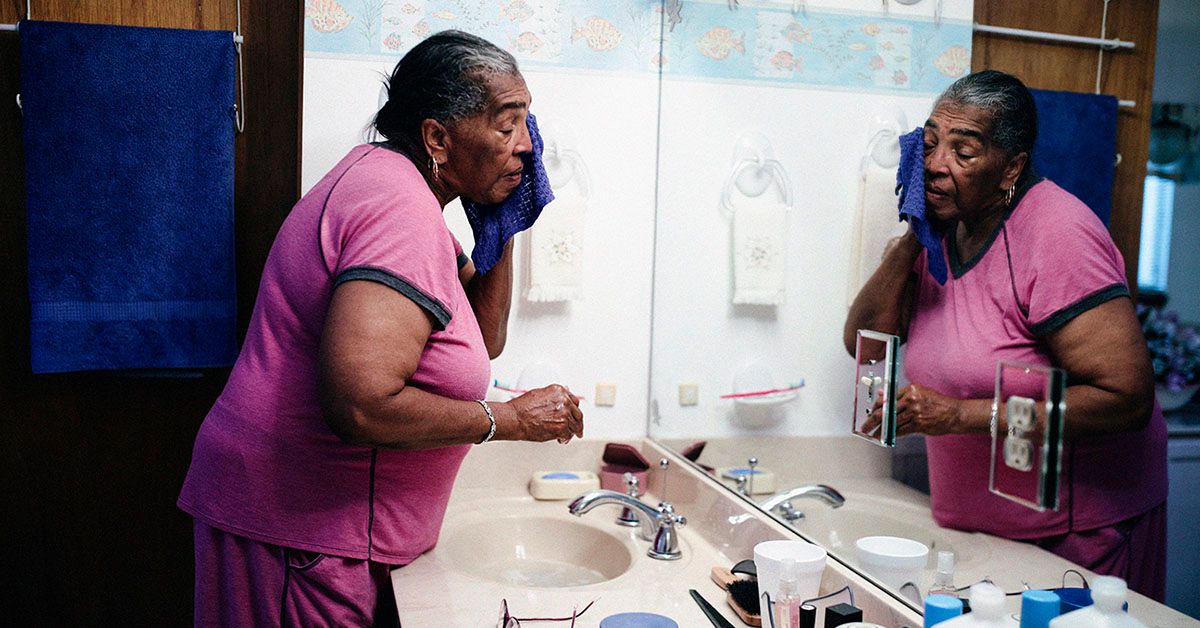
Falls present a real health risk for older adults, and the bathroom can be particularly perilous. However, understanding the risks and making certain modifications can improve bathroom safety for older adults.
The bathroom can be a dangerous place for older adults. The Centers for Disease Control and Prevention (CDC) reports that
The combination of slippery surfaces, tight spaces, and hard surfaces makes falls and injuries more likely.
Since older adults are already susceptible to falls due to age-related physical changes that affect balance, exercising caution while in the bathroom is essential for avoiding injury.
People can promote bathroom safety by making certain modifications that address the main areas of concern.
Most falls that lead to hospitalization occur in the home, and most of these accidents happen in the bathroom.
Despite these hazards, there are many steps that people can take to mitigate them.
Enhancing safety in the bathroom
Medicare Part B covers a range of medically necessary durable medical equipment (DME). Fixtures such as grab bars and walk-in showers do not receive coverage from Medicare, as they are considered home safety equipment and not DME.
If a doctor prescribes a bedside commode or shower chair, a person may receive coverage under their DME benefit. However, they need to meet various eligibility criteria, and a doctor must deem the equipment medically necessary.
Of all the locations in the home, the bathroom is the area where older adults are most likely to experience falls.
The combination of wet surfaces, tight spaces, and transitions can test a person’s balance.
People can promote safety in the bathroom by making various changes, including improving lighting, easing transitions with new fixtures, and adding nonslip mats to wet areas.
Outside of making changes to their bathroom environment and habits, other measures can help improve a person’s balance and reduce the risk of falls. A fall risk assessment from a healthcare professional can help people learn about their personal risk factors and develop a treatment plan that specifically addresses them.