
How to prevent falls in the home
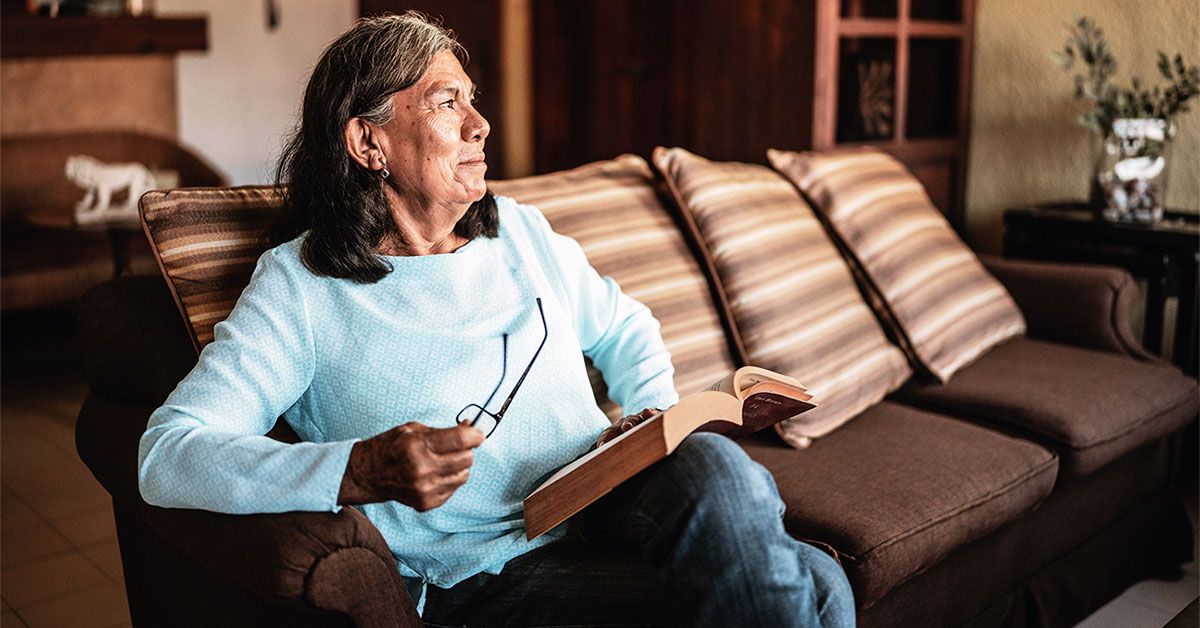
The majority of falls that lead to hospitalization occur in the home. Older adults can take various precautions to reduce their risk of such an event.
Falls are a serious health concern for adults ages 65 years and over. According to the Centers for Disease Control and Prevention (CDC), they are the leading cause of death due to injury in this population.
Given the potential for serious injury due to a fall and that nearly
According to 2016 research, older adults spend a significant amount of their time at home, which is a common location for falls.
To reduce fall risk, it is important to evaluate the home environment for potential hazards, understand which areas may cause issues, and make modifications where possible.
The following recommendations from the
A person should try to keep walking surfaces free of clutter or other obstacles that could pose tripping hazards.
This includes keeping papers off floors, putting shoes away after removing them, and cleaning up sticks or branches that may have fallen on outdoor walkways.
Good lighting throughout the home, including the bedroom, bathroom, and stairways, can also help. Night lights can help illuminate the path from the bed to the bathroom during sleeping hours, and motion-sensitive lights can help individuals see in areas without fixed lighting.
A person may wish to add nonslip materials to areas prone to slickness, such as concrete pathways that may become wet with rain or polished hardwood surfaces.
If a person experiences a fall, it is important that they tell their doctor. A person’s risk of falling doubles after they have fallen once.
And the CDC reports that
Experiencing a fall is one of the indications for receiving a fall risk assessment. This is a multipart evaluation of an individual’s physical and cognitive health and home environment to gauge their risk of experiencing a fall.
The assessment results can help health professionals create a tailored prevention plan to address a person’s circumstances and risk factors.
While certain physical hazards pose a clear fall risk, some other less obvious risk factors can contribute equally to falls.
Balance issues are one example. As people age, they experience physical changes — such as a loss of muscle mass and worsening vision — that can contribute to balance problems.
If a person receives a fall risk assessment, a healthcare professional will likely determine whether any of these factors are present and offer guidance on addressing them.
The treatment for balance issues will relate to the underlying cause. Treatment could include physical therapy, vision correction, vestibular rehabilitation, or balance exercises.
There is no single best way to prevent falls in the home. However, some general guidelines everyone can follow include:
There is no single best way to prevent falls in the home. However, some general guidelines everyone can follow include:
The 4 Ps of fall prevention are guidelines used by caregivers and staff of inpatient facilities to help prevent falls among residents. They are:
The 4 Ps of fall prevention are guidelines used by caregivers and staff of inpatient facilities to help prevent falls among residents. They are:
Falling is a common source of injury among older adults and has potentially serious implications.
Older adults spend much of their time in the home. As a result, most falls that lead to emergency room visits occur while a person is at home.
People can modify their home environment to reduce fall risk and make their homes safer. Changes include improving lighting, removing clutter, and installing handrails in key locations.
A person may also wish to speak with a doctor to learn whether they have other risk factors for falling, such as balance issues.