
Truvada: How long does protection last after stopping?
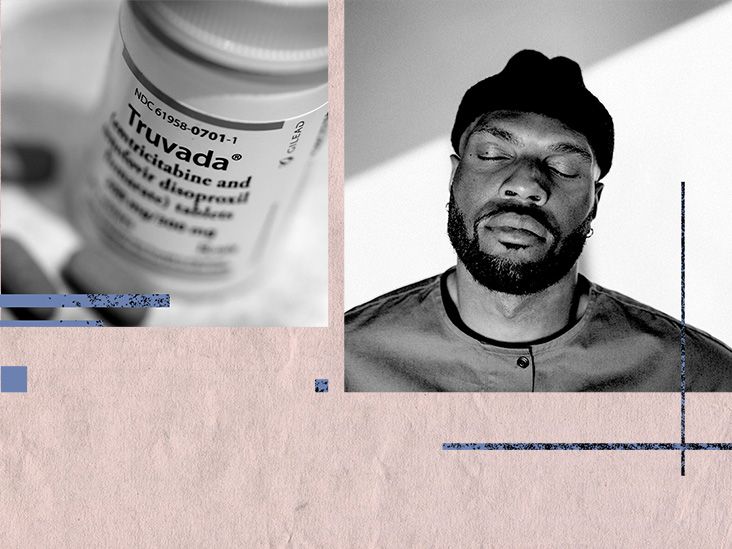
If you stop Truvada, the drug will clear from the bloodstream within 2–5 days. The active forms of the drug may linger inside cells for longer. Protection from PrEP doesn’t vanish immediately, but starts to significantly drop within 7–10 days.
How much time passes after you stop taking Truvada before you’re no longer “covered” depends on how long you’ve been taking it regularly, how well you adhered to the doctor’s recommendations, and what your current chances of exposure are.
In general, if you stop taking Truvada for PrEP, protection from HIV will cease within a week to 10 days. This means you may no longer be protected for HIV if you are exposed after that time.
The generic version of Truvada is emtricitabine/tenofovir disoproxil fumarate, and it is used in the same way, including the same active ingredients and the same once-daily schedule.
When you stop taking Truvada, two things matter: how long it remains in your bloodstream, and how long it remains active inside your cells. The latter is related to HIV protection.
Based on this, Truvada may be eliminated almost completely from your bloodstream in about 70 to 90 hours (3-4 days).
If the kidneys don’t work as well, Truvada may stay in the body for a longer period. This is because the kidneys help remove the medication from the system. People with compromised kidney function may clear the drug more slowly than someone with optimal kidney health.
Inside your cells, where protection happens, things may be different.
Half-life refers to the amount of time it takes for half of a medication dose to be eliminated from the body.
If a drug has a 10-hour half-life, that means after 10 hours of taking it, only half of the original amount of medication is still in your system. After another 10 hours, half of that remaining amount is still in the body, and so on, until it’s completely eliminated.
In general, a drug is considered cleared after 4 to 5 half-lives. So, a drug that has a 10-hour half-life is expected to be eliminated after about 40 to 50 hours.
If you’re taking Truvada for PrEP (to reduce HIV risk), the key question may be whether you have enough drug left to offer significant protection after you stop taking it or have missed a dose. The answer is not as straightforward.
The Centers for Disease Control and Prevention (CDC) advises that protection from HIV after stopping oral PrEP will gradually decline over
If you’ve been taking Truvada consistently for some time, you may have intracellular (inside the cells) reserves of the drug. That buildup may mean that stopping the medication doesn’t immediately eliminate the drug from your system.
If you miss doses or stop shortly after starting to take Truvada for PrEP, you may have less of a buffer.
The body has the ability to convert Truvada’s active ingredients into new substances. For example, once inside certain cells, Truvada’s active ingredient tenofovir becomes tenofovir-disphosphate. This form of tenofovir may have a longer half-life compared to the blood form (lasts longer in the system).
However, researchers don’t yet have a precise half-life for intracellular forms of Truvada or its active ingredients. The duration of protection after stopping Truvada may vary depending on how long you’ve been taking the medication, your body composition, exposure risk, and other factors specific to you.
If you stop taking Truvada, your bloodstream levels may drop within a few days, and protection will also gradually fade. A healthcare professional can help assess individual risk factors and next steps.
You need to take Truvada for at least 7 days before it can protect you in case of HIV exposure. And even though some protection may remain in theory after stopping Truvada, it doesn’t mean you are fully protected if you’re exposed to the virus in the days after.
The “tail” period (the days after the last dose) is considered a time of increased risk. According to the CDC, the tail period for oral PrEP is about 7 to 10 days. Experts recommend continuing to use other prevention measures, like condoms or retrovirals, during that time.
When someone stops Truvada, but they still have a risk of HIV exposure, other prevention measures become important. A healthcare professional can offer tailored information and can advise on next steps to maintain protection.
The following steps may help assess whether Truvada’s protection has decreased or stopped after discontinuing the drug. The list serves as a guide, and it is not a guarantee. Timelines may change, and protection may wane sooner for some people.
The World Health Organization (WHO) says people who’ve been exposed to HIV should go into post-exposure prophylaxis (PEP). This means taking Truvada or an equivalent after an exposure has been confirmed or is suspected to have occurred. PEP is for emergencies only and consists of a 28-day dosing schedule that begins within 72 hours of exposure.
Taking Truvada for PrEP can reduce the risk of HIV infection. When taken on schedule and consistently, Truvada can provide high levels of protection.
If a dose is missed or the medication is stopped, protection gradually fades within a few days to a few weeks. If unsure, talking with a healthcare professional can help assess the window of protection that Truvada offers and what other prevention measures are needed during PrEP and after stopping Truvada.