
What are public health policies and how do organizations make them?
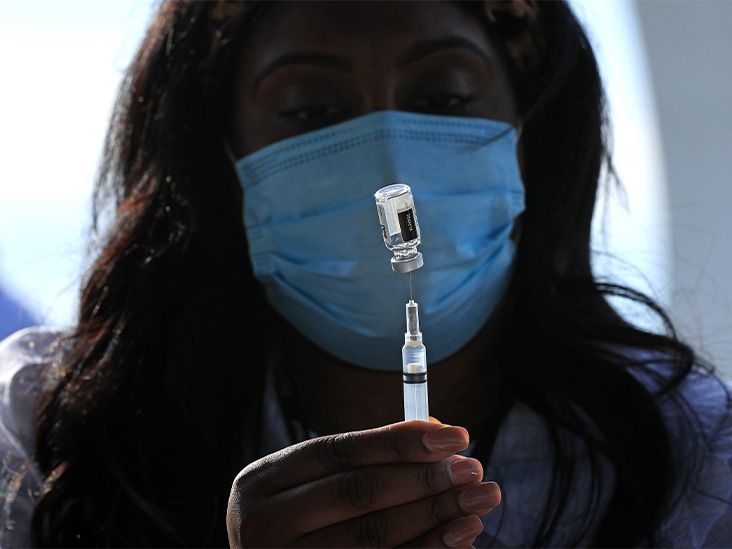
Public health policies are laws, regulations, and decisions undertaken by governments and health organizations to promote and protect people’s health.
Public health policies refer to the decisions and actions that society implements in order to improve wellness and prevent disease. It involves translating public health research into practical solutions by establishing rules to achieve health goals. Examples can vary from vaccination campaigns to food safety regulations.
Public health policies generally refer to decisions, plans, and actions that work towards preventing disease and promoting health and wellness within society.
Public health policies aim to use research and medical guidance to form laws, regulations, or incentives to
Public health policies play a role in multiple sectors, such as healthcare, education, and agriculture. Organizations such as World Health Organization (WHO), Centers for Disease Control and Prevention (CDC), Food and Drug Administration (FDA), and other governmental and non-governmental agencies play a large role in forming public health policies.
For example, during the COVID-19 pandemic, governments and health organizations created policies,
Health promotion policies focus on encouraging individuals and communities to adopt healthier lifestyles. These might include:
Such policies can help reduce the prevalence of non-communicable diseases like diabetes, heart disease, and obesity.
Public health also extends to the environment and the impact it can have on health. Policies in this area may address:
For example, clean water policies in the 20th century drastically reduced deaths from waterborne illnesses, such as cholera.
For example, Medicare is a federal government program that provides health insurance to people over 65 and to younger people with specific disabilities.
Public health policies invovle governments and other stakeholders making decisions, plans, or actions to help promote and protect the population’s health. Generally, these policies are informed by peer-reviewed scientific evidence, epidemiological data, and the pressing health needs of local communities.
As such, these needs and any difficulties implementing policies will vary depending on the nation, its healthcare system, and other social factors, such as dietary habits and socioeconomic status.
A public health policy will usually start by identifying a health issue, reviewing data and evidence, consulting with stakeholders, drafting and implementing a policy, then evaluating and adjusting if necessary.
For example, research notes that tobacco negatively impacts health and a majority of adults who smoke started as adolescents or young adults. In response, many states raised the minimum age for tobacco sales to 21 years to
Although public health policies aim to improve health and can have numerous benefits, they are not without challenges. Often, this is due to them involving a combination of scientific evidence, policymaking, and politics, while trying to balance individual freedoms with collective well-being. Potential difficulties can include:
For example, added sugars in sugar-sweetened beverages contribute towards obesity and non-communicable diseases. Some cities in the U.S. and around the world implemented taxes on these beverages to address this. However, there was significant opposition and some public campaigns against this policy.
During the COVID-19 pandemic, wearing a face covering was a widespread public health policy to prevent the spread of SARS-CoV-2. However, the mask adoptation rate in the U.S. was poor, likely due to ineffective communication strategies to convey the benefits of mask wearing and combat misinformation.
Public health policies are decisions, rules, and regulations that governments, health organizations, and other stakeholders create to help improve health and prevent disease. They generally involve identifying a health issue and using research, professional expertise, and societal context to create effective health policies and programs to promote health and well-being.